Most people don’t wake up one day excited to research bariatric surgery.
They get here after years of trying. Diets that worked… until they didn’t. Exercise plans that helped a little, then stalled. And eventually, the realization that willpower alone isn’t fixing the problem.
Once surgery enters the conversation, the next question usually sounds like this:
What’s the difference between robotic bariatric surgery and traditional surgery — and does it actually matter?
At Bodiatrics, this isn’t a theoretical discussion. It’s a decision patients make every week. And the answer depends less on buzzwords and more on how surgery is performed, who’s performing it, and what kind of long-term support follows.
Let’s break it down in plain language.
First, What Do “Robotic” and “Traditional” Really Mean?
Both robotic and traditional bariatric surgery are minimally invasive today. That part often gets misunderstood.
Traditional laparoscopic surgery uses:
- Several small incisions
- A camera and handheld instruments
- Direct manual control by the surgeon
Robotic bariatric surgery still uses small incisions, but:
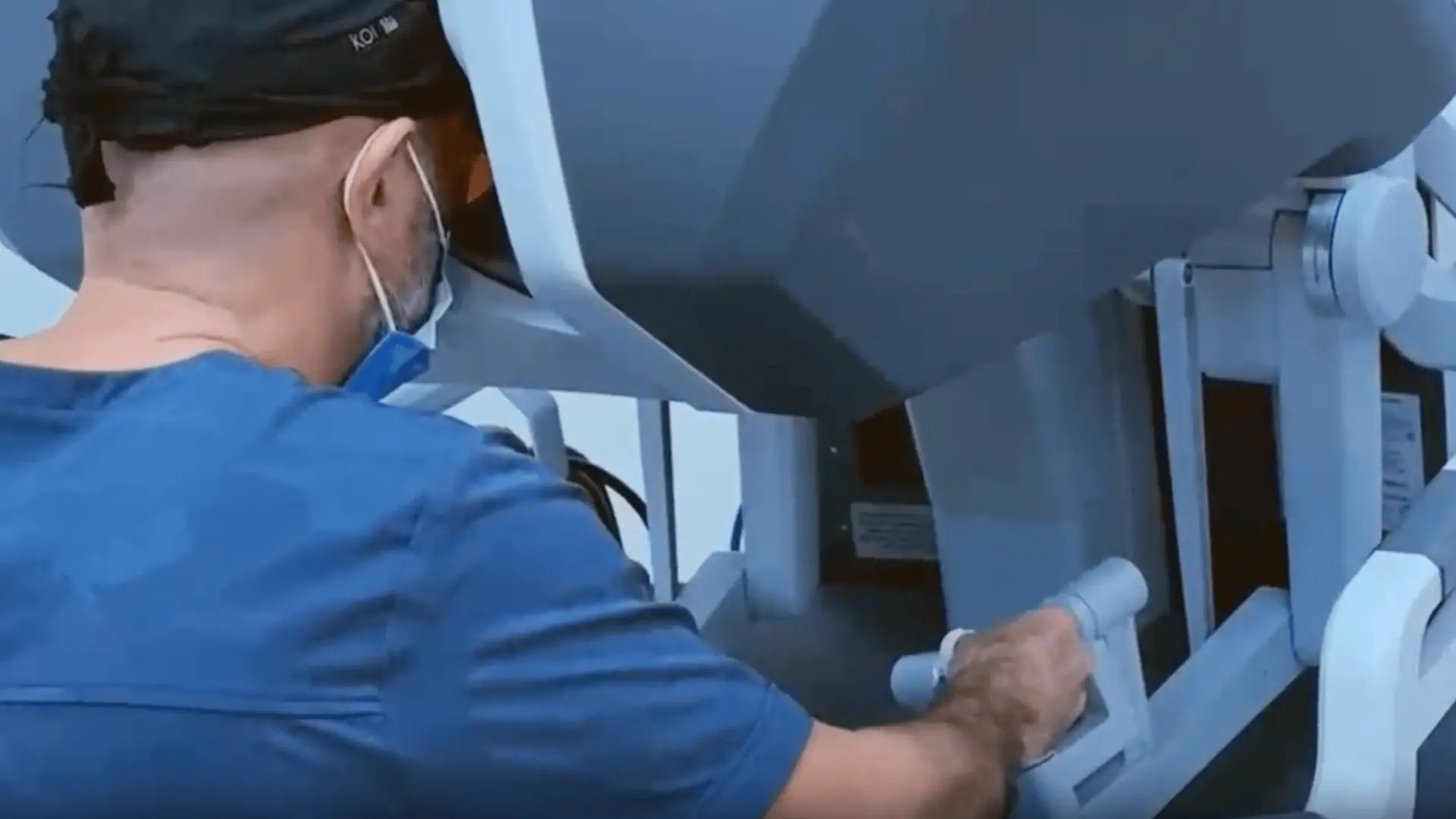
- The surgeon operates from a console
- Instruments have greater range of motion
- Visualization is enhanced, often in 3D
The robot doesn’t operate on its own.
It doesn’t make decisions.
It doesn’t replace the surgeon.
It’s a tool — and like any tool, outcomes depend on how and when it’s used.
Where Robotic Surgery Can Make a Difference
At Bodiatrics, robotic surgery isn’t chosen because it’s “newer” or more impressive. It’s chosen when it adds precision.
Robotic systems can help with:
- Complex anatomy
- Revision surgeries
- Dense scar tissue from prior operations
- Suturing and reconstruction steps that require fine control
For certain patients, this extra precision can translate to:
- Less tissue stress
- More controlled movements
- Potentially smoother early recovery
But here’s the honest part most websites won’t say.
Robotic Surgery Isn’t Automatically Better for Everyone
This is where Bodiatrics stands out.
Some patients do just as well — or better — with traditional laparoscopic surgery. For straightforward cases, the outcomes can be nearly identical.
That’s why the team at Bodiatrics doesn’t push one approach across the board.
They look at:
- Body composition
- Prior surgical history
- Type of bariatric procedure
- Risk factors and complexity
Then they decide which approach makes sense, not which one sounds better on a brochure.

Safety: What Patients Really Want to Know
Patients often assume robotic surgery is “safer.”
The reality is more nuanced.
Both approaches are considered very safe when performed by experienced bariatric surgeons at an accredited center. Complication rates are more closely tied to:
Surgeon experience
Case volumePre-op preparation
Post-op follow-up
At Bodiatrics, safety isn’t tied to the robot — it’s tied to the system around the patient.
Recovery: Is There a Big Difference?
For most patients:
- Hospital stays are similar
- Return to walking happens quickly
- Diet progression follows the same timeline
Some patients report slightly less discomfort early on with robotic surgery, especially in complex cases. Others notice no difference at all.
What consistently matters more is:
- How well patients follow post-op instructions
- Ongoing nutrition support
- Monitoring body composition, not just weight
This is where Bodiatrics places a lot of emphasis.
Why Bodiatrics Offers Both — On Purpose
Many clinics offer one option and call it the best.
Bodiatrics offers both robotic and traditional bariatric surgery because weight loss isn’t a one-technique problem.
Patients also have access to:
- Medical weight loss
- DEXA scans
- Metabolic testing
- Nutrition and lifestyle coaching
Surgery isn’t treated as a standalone event. It’s part of a long-term plan.
That’s the difference patients feel.
Choosing the Right Approach Isn’t About the Robot
The real question isn’t:
“Should I choose robotic or traditional surgery?”
It’s:
“Which approach gives me the best chance at long-term success?”
At Bodiatrics, that decision is made with data, experience, and honesty — not trends.
Frequently Asked Questions
Contact Bodiatrics
If you’re considering bariatric surgery and want a clear, honest explanation of your options — without pressure — a consultation at Bodiatrics is the right place to start.
You’ll walk away understanding:
- Whether surgery makes sense
- Which approach fits your anatomy and goals
- What long-term support actually looks like
Bodiatrics Wellness & Longevity Center
Website: https://bodiatrics.com
Phone: (404) 854-4123
The best bariatric surgery isn’t defined by technology — it’s defined by outcomes, support, and choosing the right path for the right patient.