A lot of patients come to Bodiatrics convinced they’re doing something wrong.
They’re eating better.
They’re exercising.
They may have even lost weight before — only to regain it.
And yet, nothing seems to move the needle anymore.
This is where the conversation often shifts from what you’re eating to how your body is responding.
More specifically: what’s happening inside your gut.
Why the Gut Matters More Than Most People Realize
Your gut microbiome is made up of trillions of bacteria that play a role in:
- Digestion
- Hormone regulation
- Blood sugar control
- Inflammation
- Appetite and cravings
At Bodiatrics, experienced bariatric surgeon, one pattern shows up again and again.
Two patients can follow nearly identical plans — and have completely different outcomes.
Often, the difference isn’t effort.
It’s biology.
What Gut Microbiome Testing Actually Looks At
Gut Microbiome testing doesn’t guess. It measures.
Depending on the panel used, testing can evaluate:
- Bacterial diversity
- Beneficial vs harmful strains
- Inflammatory markers
- Digestive efficiency
- Imbalances that affect metabolism
Instead of assuming weight loss resistance is about discipline, Bodiatrics looks at whether the gut itself is working against the patient.
Why Bodiatrics Uses Digestive Testing in Weight Management
This is where Bodiatrics takes a very different approach than most weight-loss programs.
They don’t treat weight as an isolated problem.
They treat it as a downstream effect.
Gut testing is often used when patients:
- Plateau despite compliance
- Regain weight unexpectedly
- Experience bloating, fatigue, or GI discomfort
- Have insulin resistance or metabolic issues
- Don’t respond as expected to medications or surgery
The goal isn’t to label patients — it’s to remove hidden barriers.
How the Gut Can Sabotage Weight Loss
At Bodiatrics, clinicians frequently see gut-related issues that directly affect weight, including:
- Increased inflammation that blocks fat loss
- Poor nutrient absorption
- Altered hunger and satiety signaling
- Blood sugar instability
- Increased cravings driven by microbial imbalance
When these issues are ignored, weight loss becomes an uphill battle — even with surgery or medication.
How Testing Fits Into the Bigger Picture at Bodiatrics
Gut microbiome testing is never used in isolation.
Results are reviewed alongside:
- DEXA scans
- Resting metabolic rate (RMR)
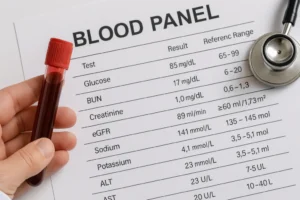
- Lab work
- Weight-loss history
Surgical or non-surgical plans
This allows Bodiatrics to adjust:
- Nutrition strategies
- Supplement protocols
- Medication timing
- Post-surgical support
- Long-term maintenance plans
The focus stays on sustainable progress, not short-term wins.
What the Testing Process Is Like
For most patients, testing is simple.
It may involve:
- A stool sample collected at home
- Blood markers in some cases
- Review and interpretation during a follow-up visit
- There’s no invasive procedure.
No guesswork afterward.
Patients walk away understanding why their body behaves the way it does — and what to do about it.

Why This Matters After Bariatric Surgery Too
Even after surgery, the gut microbiome continues to influence outcomes.
At Bodiatrics, gut testing may be used:
- If weight loss slows unexpectedly
- If GI symptoms persist
- If nutrient deficiencies develop
- If weight regain becomes a concern
- Surgery changes anatomy.
The microbiome still affects metabolism.
Both matter.
This Isn’t About Trends — It’s About Precision
Gut health isn’t a buzzword at Bodiatrics.
It’s another diagnostic tool used to:
- Personalize care
- Reduce frustration
- Improve long-term success
Instead of asking patients to “try harder,” the team asks better questions.
Frequently Asked Questions
Contact Bodiatrics
If you feel like you’re doing everything right — and still not seeing results — your gut may be part of the reason.
Bodiatrics uses advanced testing, clinical insight, and real-world experience to uncover what’s holding patients back and build plans that actually work.
Phone: (404) 854-4123
Website: https://bodiatrics.com
Weight loss isn’t just about calories.
Sometimes, it starts with what’s happening inside your gut.