A lot of people walk into weight-loss appointments frustrated.
They’ve lost weight before.
They’ve followed programs.
They’ve watched the scale go down — and then right back up again.
And somewhere along the way, they start wondering whether the number on the scale is actually telling the full story.
At Bodiatrics, this question comes up all the time.
That’s exactly why they rely on DEXA scan instead of guessing based on weight alone.
Why the Scale Is a Terrible Measure of Progress
The scale only tells you one thing: total body weight.
It doesn’t tell you:
- How much of that weight is fat
- How much is muscle
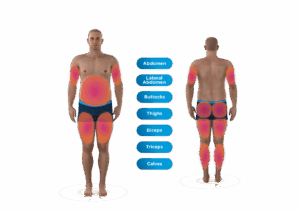
- Where fat is stored
- Whether weight loss is coming from muscle instead of fat
Two patients can weigh the same and have completely different health profiles.
This is where DEXA changes the conversation.
What a DEXA Scan Actually Measures
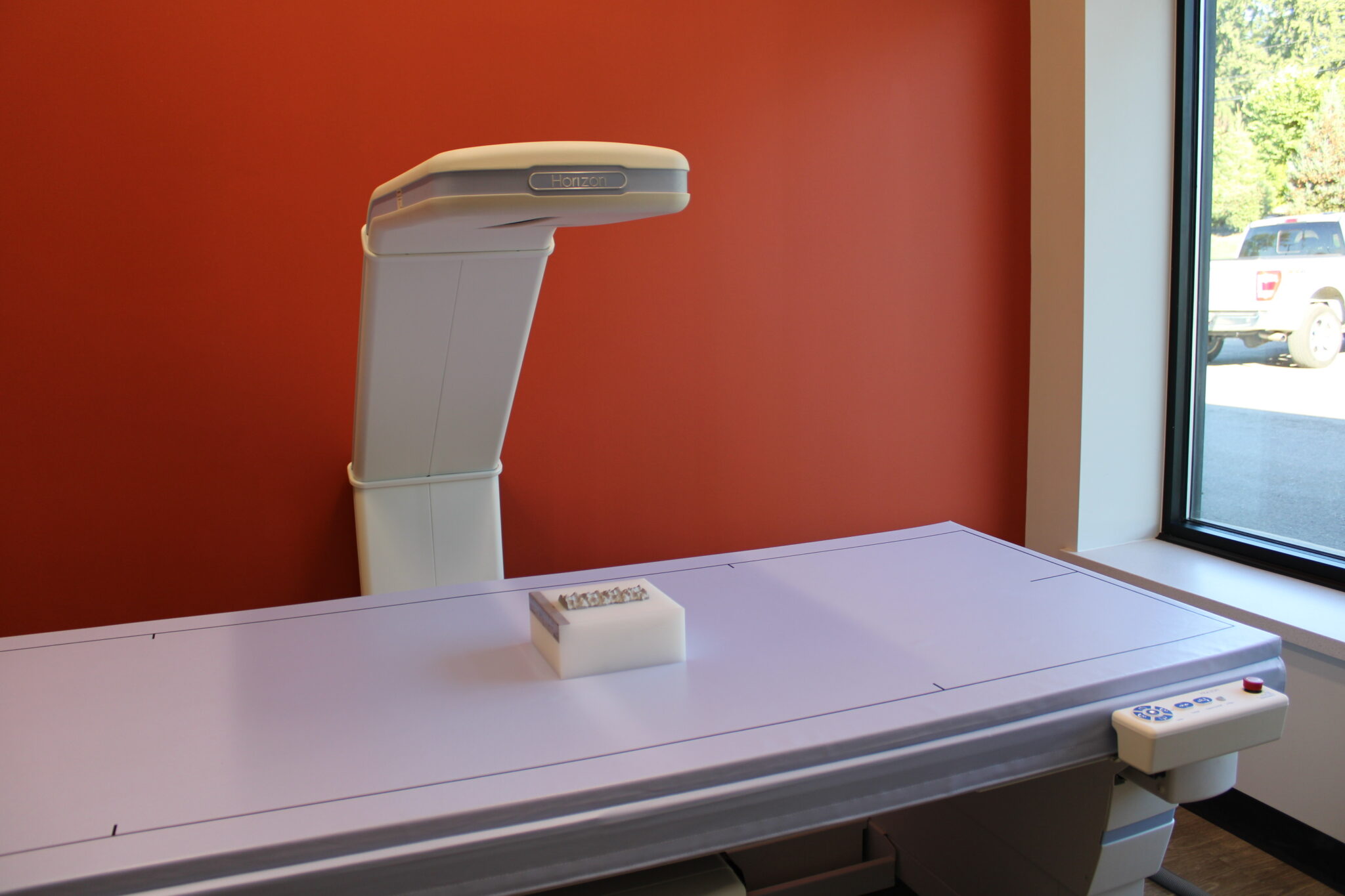
DEXA (Dual-Energy X-ray Absorptiometry) is often associated with bone density testing, but at Bodiatrics it’s used for something far more powerful: full body composition analysis.
A DEXA scan breaks the body down into:
- Fat mass
- Lean muscle mass
- Bone density
- Visceral fat (the fat around internal organs)
Instead of guessing what’s happening inside the body, patients — and providers — can see it clearly.
Why Bodiatrics Uses DEXA Instead of Generic Metrics
This is where Bodiatrics separates itself from most weight-loss clinics.
They don’t rely on:
- BMI alone
- Tape measurements
- Visual estimates
“Before and after” photos as primary data
They use DEXA scans to make clinical decisions, not just track progress.
That includes decisions about:
- Surgical vs non-surgical weight loss
- Medication adjustments
- Nutrition planning
- Muscle preservation
- Metabolic health
In other words, treatment plans are based on what’s actually happening in your body, not assumptions.
Why Body Composition Matters More Than Weight
At Bodiatrics, one of the biggest concerns is muscle loss during weight loss.
Losing muscle:
- Slows metabolism
- Makes weight regain more likely
- Increases fatigue
- Weakens long-term results
DEXA scans allow the team to see early signs of muscle loss and intervene before it becomes a problem.
This is especially important for:
- Patients on GLP-1 medications
- Patients preparing for bariatric surgery
- Patients recovering after bariatric surgery
- Long-term weight maintenance plans
How DEXA Helps Guide Bariatric Surgery Decisions
For patients considering surgery, DEXA adds an extra layer of precision.
At Bodiatrics, experienced bariatric surgeon, DEXA is often used to:
- Establish a baseline before surgery
- Evaluate fat distribution
- Identify sarcopenia (low muscle mass)
- Plan nutrition and protein goals
- Track changes after surgery
This allows surgery to be part of a larger, smarter plan — not a standalone intervention.

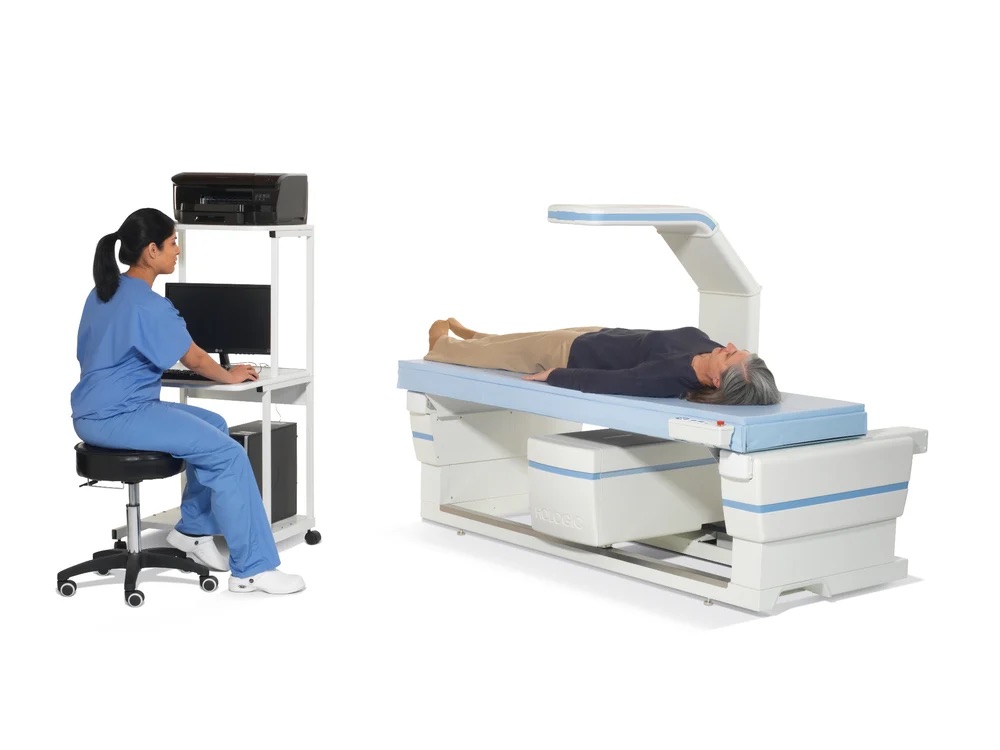
What the Scan Experience Is Like
Patients are often surprised by how simple it is.
A DEXA scan:
- Takes about 10–15 minutes
- Is completely non-invasive
- Requires no needles or contrast
- Involves very low radiation exposure
You lie still while the scanner passes over your body. That’s it.
No discomfort. No recovery time.
How Bodiatrics Uses DEXA Results (This Is the Key Part)
This is where the scan becomes meaningful.
At Bodiatrics, DEXA results are reviewed alongside:
- Resting metabolic rate (RMR)
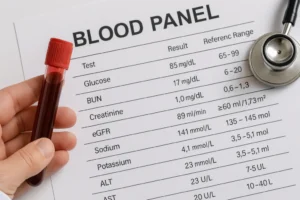
- Lab work
- Medical history
- Weight-loss goals
The scan isn’t just printed and filed away. It’s used.
Patients leave with:
- A clearer understanding of their body
- A more realistic plan
- Fewer surprises along the way
Why This Matters for Long-Term Success
Most weight-loss failures don’t happen because people don’t try hard enough.
They happen because:
- Muscle loss goes unnoticed
- Metabolism slows silently
- Fat distribution isn’t addressed
- Plans aren’t adjusted in time
DEXA helps prevent these problems before they show up on the scale.
Frequently Asked Questions
Contact Bodiatrics
If you’re tired of guessing — and ready for weight-loss care guided by real data — a DEXA scan may be the missing piece.
Bodiatrics uses advanced diagnostics to build smarter, more sustainable weight-loss plans that protect muscle, support metabolism, and improve long-term results.
Phone: (404) 854-4123
Website: https://bodiatrics.com
The scale doesn’t tell the whole story.
DEXA helps reveal the part that actually matters.