Most people think they understand their body.
They know their weight.
They might know their BMI.
Maybe they even track their workouts.
But then they come into Bodiatrics, get a DEXA scan, and realize something surprising:
What they thought was progress… wasn’t the full picture.
According to Dr. Will Johnson, one of the biggest mistakes patients make is relying on BMI to judge their health or body composition.
Because BMI is simple.
DEXA is accurate.
And those are not the same thing.
What BMI Actually Measures (and What It Doesn’t)
BMI — Body Mass Index — is calculated using just two things:
- your height
- your weight
That’s it.
It doesn’t look at:
- muscle mass
- body fat percentage
- fat distribution
- bone density
So two people can have the exact same BMI… and completely different bodies.
At Bodiatrics, this shows up all the time.
Someone walks in with a “normal” BMI — but a high body fat percentage.
Or the opposite:
Someone labeled “overweight” who actually has strong muscle mass and low fat.
BMI doesn’t catch that.
Why BMI Can Be Misleading (Real-World Example)
A typical patient at Bodiatrics might say:
“I’ve been working out consistently, but my weight hasn’t changed much.”
According to BMI, nothing improved.
But when Dr. Will Johnson orders a DEXA scan, the reality often looks very different.
They may have:
- gained muscle
- lost fat
- improved metabolic health
- BMI completely misses that shift.
And that’s where frustration comes from.
Because the scale — and BMI — don’t reflect what’s actually happening inside the body.
What a DEXA Scan Actually Shows
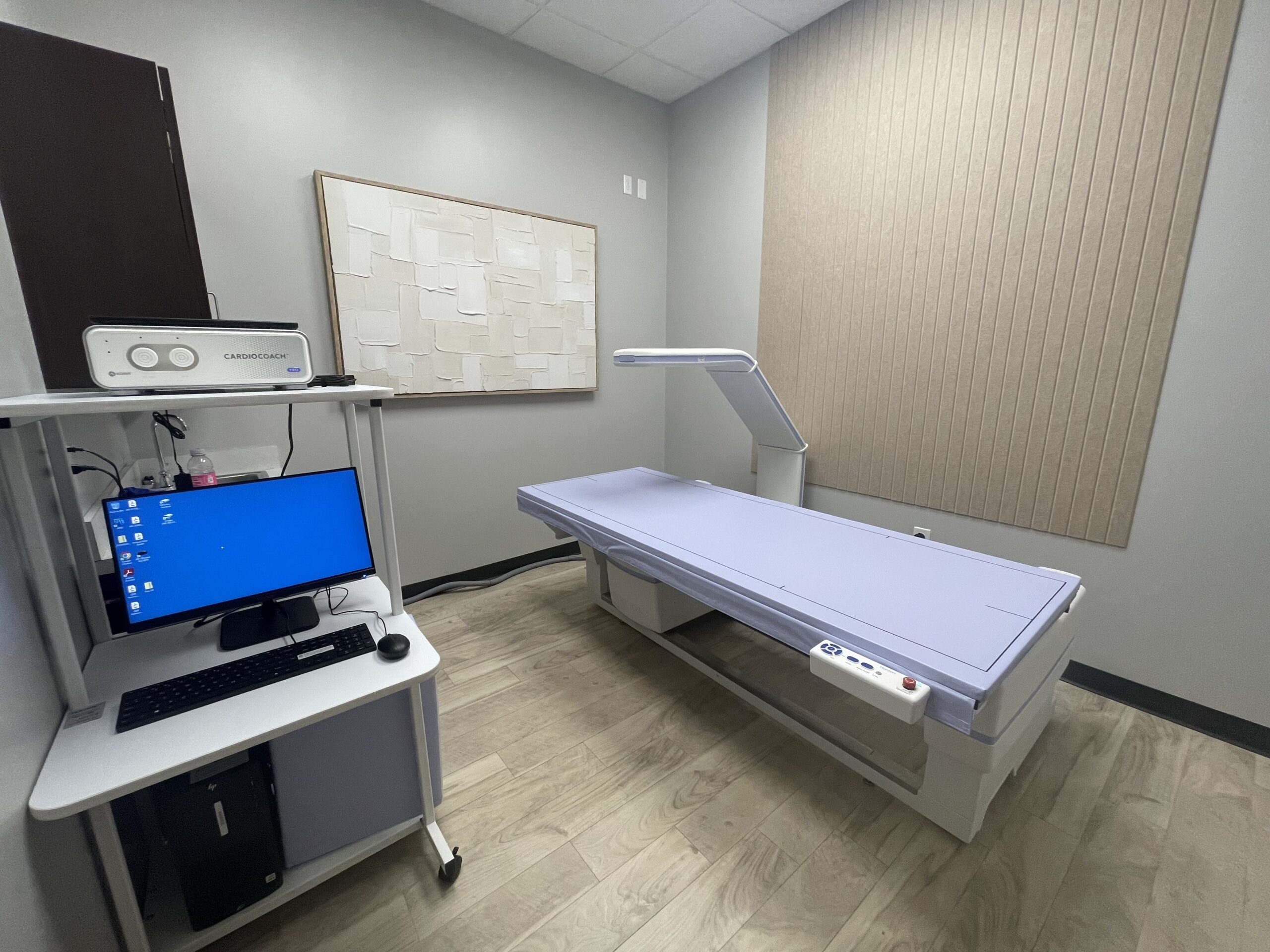
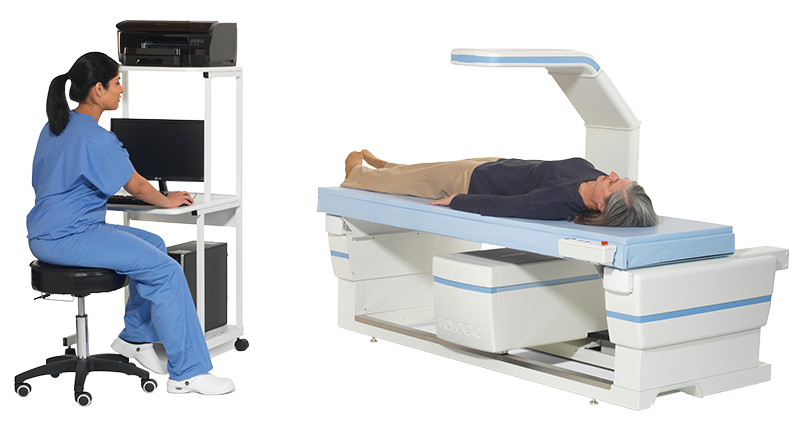
A DEXA scan goes far beyond weight.
It breaks your body down into three main components:
- fat mass
- lean muscle mass
- bone density
But more importantly, it shows where fat is stored.
That matters more than people realize.
Because fat stored around organs (visceral fat) carries very different health risks than fat stored elsewhere.
At Bodiatrics, this level of detail changes how treatment plans are built.
Instead of guessing, Dr. Johnson can see exactly what needs to be addressed.
Why Body Fat Percentage Matters More Than BMI
BMI puts people into categories:
- underweight
- normal
- overweight
- obese
But those categories don’t tell you:
how much of your body is actually fat
DEXA does.
And that’s a major difference.
Two patients with the same BMI might have:
- 18% body fat (athletic, healthy)
- 32% body fat (higher metabolic risk)
Same BMI.
Completely different health profiles.
This is why at Bodiatrics, decisions are rarely based on BMI alone.
How DEXA Changes the Way Patients Approach Weight Loss
Once patients see their DEXA results, the mindset shifts.
Instead of asking:
“How much weight should I lose?”
They start asking:
“How do I reduce fat and build muscle?”
That’s a very different goal.
And it leads to better outcomes.
Dr. Will Johnson often uses DEXA data to guide:
- medical weight loss programs
- EMSCULPT NEO treatment planning
- nutrition adjustments
- long-term maintenance strategies
Because when you understand your body composition, your strategy becomes more precise.
Why BMI Still Exists (and When It’s Useful)
To be fair, BMI isn’t useless.
It’s quick.
It’s easy.
It works on a population level.
Doctors and researchers use it because it gives a general snapshot across large groups.
But for individual patients?
Especially those actively trying to improve their body?
It’s limited.
At Bodiatrics, BMI might be noted — but it’s rarely the deciding factor.
Where Patients Get It Wrong
One of the biggest mistakes is thinking:
“If my BMI is normal, I’m healthy.”
That’s not always true.
Some patients have what’s called:
“normal weight obesity”
Meaning:
- normal BMI
- high body fat
- low muscle mass
This can still carry risks like:
- insulin resistance
- fatigue
- poor metabolic health
Without a DEXA scan, it often goes unnoticed.
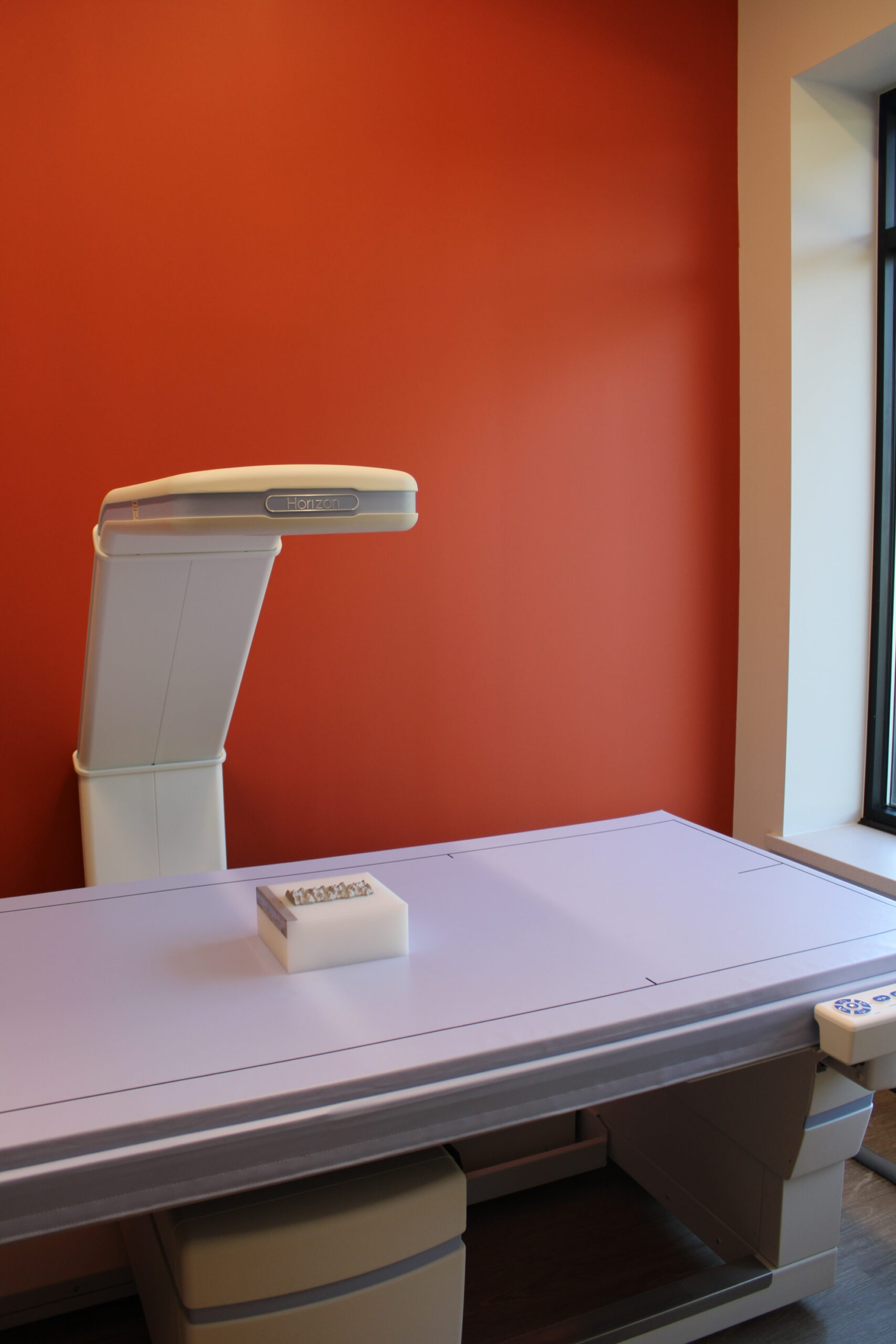
Why Bodiatrics Prioritizes Precision Over Guesswork
At many clinics, weight loss is treated as a number on a scale.
At Bodiatrics, it’s treated as a body composition problem.
That’s a big difference.
Dr. Will Johnson uses tools like DEXA scans to:
- track real progress
- adjust treatment plans
- identify plateaus early
- ensure fat loss — not muscle loss
Because losing weight the wrong way (losing muscle instead of fat) can actually make long-term results worse.
The Bottom Line: Which One Is More Accurate?
If the goal is simplicity:
BMI wins.
If the goal is accuracy:
DEXA wins — by a wide margin.
And for patients serious about improving their health or physique, accuracy matters.
Frequently Asked Questions
”
Contact Bodiatrics
If you’re tired of relying on the scale or BMI and want a clearer understanding of your body, a DEXA scan can provide real answers.
Bodiatrics
Website: https://bodiatrics.com
During your visit, Dr. Will Johnson will review your body composition in detail and help you build a plan based on actual data — not guesswork — so you can move toward results that are both visible and sustainable.