Financing

Why Bodiatrics Starts With Data — Not Assumptions
By the time many patients walk into Bodiatrics, they’ve already tried something.
Sometimes it’s dieting.
Sometimes medication.
Sometimes a program that promised answers but never explained why their body wasn’t responding.
What usually hasn’t happened yet is a full look under the hood.
At Bodiatrics, weight loss doesn’t start with a prescription or a surgery date.
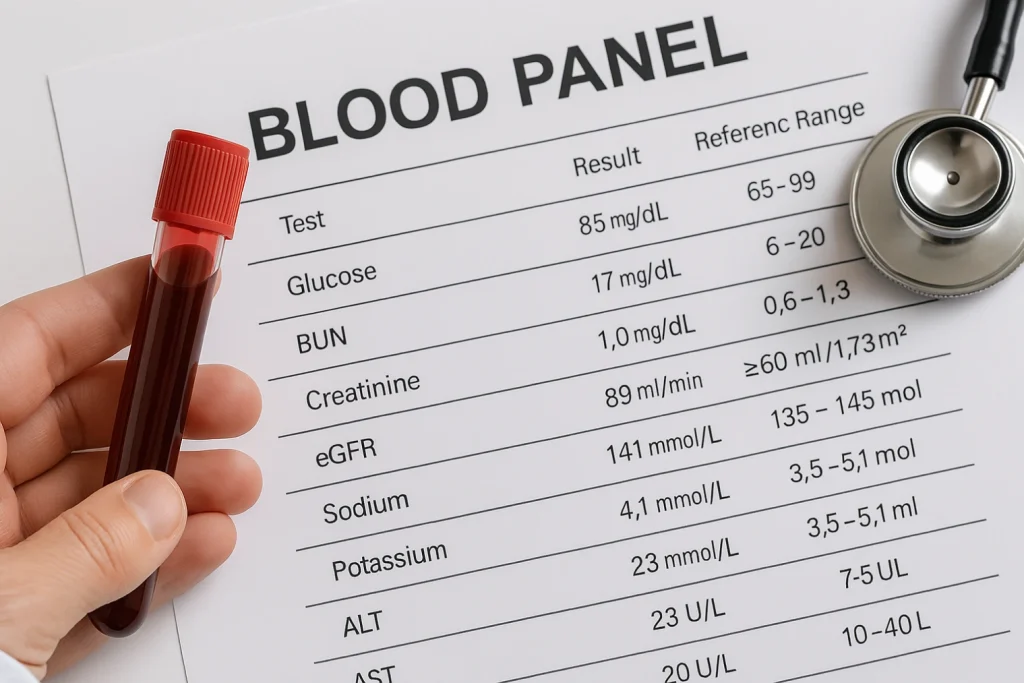
It starts with bloodwork.
Because guessing is expensive — and frustrating.
Why Labs Matter More Than Most People Expect
Weight loss is not just about calories in and calories out.
It’s influenced by hormones, inflammation, metabolism, nutrient levels, and how the body processes energy.
Two people can eat the same way and exercise the same amount — and have completely different results.
That difference almost always shows up in labs.
This is why Bodiatrics makes comprehensive bloodwork a foundational step, not an optional add-on.

What Bodiatrics Looks for in Pre-Treatment Lab Panels
The goal isn’t to overwhelm patients with numbers.
It’s to identify barriers that make weight loss harder than it should be.
Depending on the individual, lab panels may evaluate:
- Thyroid function
- Insulin resistance and blood sugar control
- Inflammatory markers
- Vitamin and mineral levels
- Lipid profiles
- Hormones that influence appetite and fat storage
- Liver and kidney function
These results help explain things like:
- Why weight loss stalls early
- Why fatigue is constant
- Why cravings feel uncontrollable
- Why progress doesn’t match effort
How This Changes the Weight Loss Plan at Bodiatrics
This is where Bodiatrics separates itself from generic weight-loss programs.
Lab results are not filed away.
They actively shape the treatment plan.
Based on findings, the team may adjust:
- Nutrition strategy
- Medication selection or dosing
- Timing of meals or supplements
- Surgical recommendations
- Post-op monitoring and support
Instead of forcing patients into a standard plan, the plan is built around their physiology.
Why This Step Matters Even If You’re Considering Surgery
Many patients assume surgery skips the need for labs.
At Bodiatrics, it does the opposite.
Bloodwork helps:
- Identify surgical risks early
- Correct deficiencies before surgery
- Optimize recovery and healing
- Reduce complications
- Improve long-term outcomes
Surgery changes anatomy.
Labs help ensure the body is ready for that change.
What the Process Is Like for Patients
For most patients, bloodwork is straightforward.
It typically involves:
- A scheduled lab draw
- Review of results with the care team
- Clear explanation of what’s normal, what’s not, and what matters
There’s no pressure to move forward until patients understand what the results mean for them.
This clarity alone is a relief for many people.
Why Bodiatrics Doesn’t Skip This Step
At Bodiatrics, weight loss isn’t treated as a willpower issue.
It’s treated as a medical process.
Skipping labs often leads to:
- Trial-and-error treatment
- Slower progress
- Preventable setbacks
- Frustration and burnout
Starting with data leads to smarter decisions — and better results.

Bloodwork Is Also Key for Long-Term Success
Weight loss isn’t just about losing weight.
It’s about keeping it off.
Ongoing labs at Bodiatrics help:
- Monitor metabolic changes
- Adjust treatment as the body adapts
- Catch deficiencies early
- Support maintenance after surgery or medication
This is part of why Bodiatrics focuses on long-term care, not quick fixes.
Frequently Asked Questions
Contact Bodiatrics
If you’re serious about weight loss and tired of guessing, comprehensive lab testing can provide the answers you’ve been missing.
Bodiatrics uses medical insight, advanced diagnostics, and real-world experience to build weight-loss plans that actually make sense for your body.
📞 Phone: (404) 854-4123
🌐 Website: https://bodiatrics.com
Weight loss isn’t just about effort.
It’s about understanding what your body is telling you — and responding the right way.