
A lot of people in Georgia look into weight-loss surgery but pause when they hear about the scars. And honestly, that’s understandable. Even when you’re doing something life-changing for your health, the idea of several visible marks across your stomach can still feel discouraging.
The good news? There’s now a way to get the benefits of bariatric surgery without the typical “surgery look.”
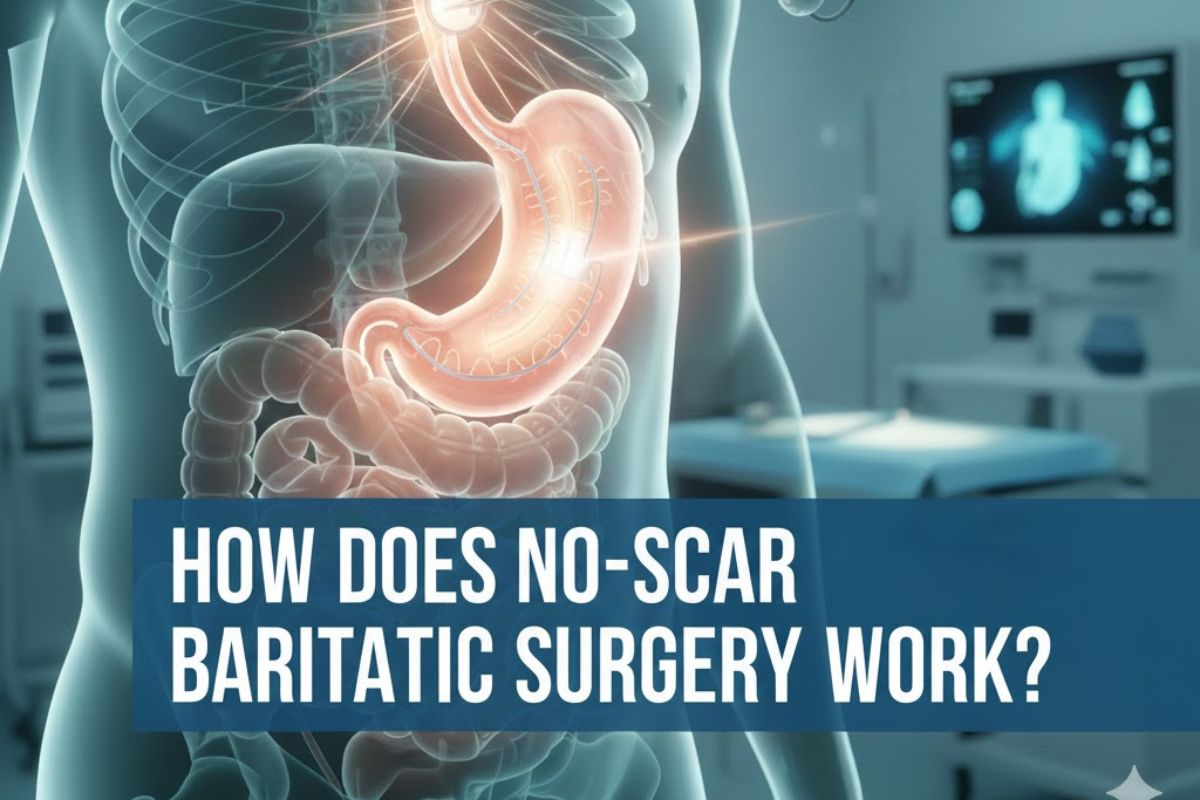
It’s called no-scar bariatric surgery, and it uses a technique known as Single Incision Laparoscopic Surgery (SILS).
Let’s walk through what that actually means — in normal language — and whether it’s something that might be right for you.
What No-Scar Surgery Really Is (and Isn’t)
First things first:
- “No-scar” doesn’t mean literally zero scars. It means the incision is small and tucked inside your belly button where most people will never notice it.
- Traditional laparoscopic bariatric surgery usually involves 4–6 separate cuts across the abdomen. SILS gets the same job done using one single incision hidden within the natural folds of the umbilicus.
Once it heals?
Most patients — and honestly even many doctors — have trouble locating the incision without really looking.
Why Surgeons Use the Belly Button
The belly button turns out to be the perfect access point for a few reasons:
- It naturally hides scars because of its shape and shadows
- It’s right in the middle, so instruments can reach everything they need to
- It’s a spot the body is already used to “closing” (thanks to the umbilical cord way back when)
- Nobody pays attention to slight changes in belly button appearance
- If you want the most discreet possible cosmetic outcome, this is the place surgeons go.
Here’s How the Procedure Actually Works
Breaking it down step-by-step makes the whole thing far less mysterious.
1. The Single Incision
- Your surgeon makes a small opening — usually 2–3 cm — inside the belly button.
- This is the only incision needed.
2. A Special Multi-Port Device Goes In
- Through that one spot, a small device is inserted that allows:
- A camera
- Two or more surgical instruments
- A gas line to inflate the abdomen
- It’s basically a “hub” that replaces the need for multiple incisions.
3. The Bariatric Surgery Is Performed
- Whether you’re having a sleeve or a bypass, the surgery itself is the same as the traditional version.
- The only thing that changes is the access point, not the technique.
4. Closing Up
- Everything is removed, the gas is let out, and the incision is closed carefully.
- Because it’s inside the belly button, it blends in as it heals.
So… Is It Really “Scarless”?
Here’s the realistic version:
You will have a scar, but it’s in a spot most people never see, and it tends to fade very well.
What patients usually experience:
- Weeks 1–2: Slightly red, you’ll definitely notice it.
- Months 1–3: It lightens and starts blending into the belly button shape.
- Months 6–12: It’s usually pale, flat, and extremely hard to spot unless you’re intentionally looking for it.
Some people naturally scar more than others, but even for them, belly-button healing is far more forgiving than multiple abdominal incisions.
Benefits Beyond How It Looks
Most people come for the cosmetic advantage, but they stay for everything else it offers:
- Only one incision to care for
- Some patients report less soreness
- Easier early movement (fewer tender points)
- No visible reminders of surgery on the abdomen
- More privacy about having had the procedure
- Confidence in swimwear — which matters in a warm state like Georgia
Weight loss results?
They’re the same as traditional sleeve or bypass surgery.
Who’s a Good Candidate — And Who Isn’t
No-scar surgery is great, but it’s not the right choice for every single patient.
Usually good candidates:
- BMI typically under 50–55
- Minimal previous abdominal surgeries
- Favorable internal anatomy
- Strong preference for minimal visible scarring
May not be ideal:
- Prior surgeries that caused significant scar tissue
- Very high BMI
- Anatomy that makes access through one spot unsafe
- This is exactly why a thorough consultation matters.
Meet Dr. Will Johnson — Atlanta’s Leader in No-Scar Bariatric Surgery
If you’re in Georgia and considering single-incision surgery, Dr. Will Johnson at Bodiatrics is the most experienced bariatric surgeon offering advanced techniques such as single incision laparoscopic surgery, gastric sleeve and gastric bypass surgery.
- Over 20 years of bariatric surgery experience
- Board-certified and fellowship-trained
- Specializes in single-incision sleeve and bypass, plus robotic and traditional laparoscopic options
- Founder of Bodiatrics Wellness & Longevity Center
- He doesn’t push one method on everyone — he evaluates your body, history, and goals to recommend what’s safest and most effective.

What Your Consultation Will Be Like
Patients usually appreciate how straightforward and educational the visit is.
You can expect:
- A full medical and surgical history review
- An evaluation of whether single-incision surgery is appropriate
- Clear explanation of what your scar will look like at different stages
- Honest pros and cons based on your anatomy
- A full weight-loss plan, not just a surgical discussion
- You’ll walk out knowing whether this surgery is the right fit — no guesswork.
Recovery Timeline (About the Same as Traditional Surgery)
- Hospital Stay: 1–2 nights
- Light Activities: Usually within 1–2 weeks
- Back to Work: 2–3 weeks for desk jobs
- Full Activity: Around 4–6 weeks
- Weight Loss: 60–80% excess weight over 12–18 months
Most people say the biggest difference is simply having one incision instead of several — and feeling more comfortable with their body afterward.
Common Questions Georgia Patients Ask About No-Scar Bariatric Surgery
Ready to Explore No-Scar Bariatric Surgery?
If you want the health benefits of bariatric surgery without visible scars across your abdomen, no-scar SILS may be a perfect fit.
The only way to know for sure is to meet with a surgeon who specializes in the technique.
Schedule a consultation with Dr. Will Johnson at Bodiatrics