Most people measure health with one number.
The number on the scale.
But that number doesn’t tell the whole story.
Two people can weigh the same and have completely different health profiles. One might have strong muscle mass and low body fat. The other might carry higher levels of visceral fat with lower muscle density.
That’s why Bodiatrics uses DEXA body composition scans as part of its diagnostic approach, and why Dr. Will Johnson relies on these scans to understand what’s actually happening inside a patient’s body before recommending a weight-loss strategy.
At Bodiatrics, the goal isn’t simply losing weight.
It’s improving body composition, metabolic health, and long-term wellness.
DEXA scans provide the data that makes that possible.
Why the Scale Often Misleads People
One of the first things Dr. Will Johnson explains to patients at Bodiatrics is that body weight alone is a poor indicator of health.
The scale cannot tell you:
- how much muscle you have
- how much body fat you carry
- where fat is distributed
- whether you are losing fat or muscle during weight loss
This is why many people become frustrated with dieting. They may lose weight but feel weaker, slower, or metabolically worse.
A DEXA scan changes that conversation completely.
Instead of guessing, Dr. Johnson can see exactly what is happening inside the body.
What a DEXA Body Composition Scan Actually Measures
DEXA stands for Dual-Energy X-ray Absorptiometry.
Originally developed to measure bone density, modern DEXA technology now provides highly detailed information about body composition.
A DEXA scan can measure:
- total body fat percentage
- lean muscle mass
- bone density
- visceral fat around internal organs
- fat distribution throughout the body
- muscle imbalances between limbs
At Bodiatrics, this information allows Dr. Will Johnson to evaluate not just how much weight someone carries — but how that weight is distributed and how it affects health.
Why Visceral Fat Matters So Much
One of the most important insights from a DEXA scan is the amount of visceral fat in the body.
Visceral fat surrounds internal organs and is strongly linked to health risks such as:
- heart disease
- diabetes
- metabolic syndrome
- inflammation
- high blood pressure
Many patients appear “normal weight” but still carry dangerous levels of visceral fat.
Dr. Johnson often uses DEXA scans to identify these hidden risks early so patients can take action before serious health problems develop.
How Bodiatrics Uses DEXA Data to Personalize Treatment
At Bodiatrics, DEXA scans are not just used for curiosity.
They guide treatment decisions.
Dr. Will Johnson reviews scan results to determine:
- whether a patient needs fat loss, muscle gain, or both
- whether metabolic weight loss treatments are appropriate
- how much visceral fat reduction is needed
- whether bariatric surgery should be considered
- how progress should be tracked over time
Instead of a one-size-fits-all diet plan, patients receive data-driven guidance based on their unique body composition.
Tracking Progress More Accurately Than the Scale
Another major advantage of DEXA scans is the ability to track progress over time.
Patients returning for follow-up scans can see exactly how their body composition is changing.
For example:
- fat mass decreasing
- muscle mass increasing
- visceral fat levels improving
- bone density remaining stable
This helps Dr. Johnson and the Bodiatrics team adjust treatment plans when necessary and ensure patients are losing fat rather than muscle.
Many patients find this far more motivating than simply watching the scale fluctuate.
Why Dr. Will Johnson Incorporates DEXA Scanning Into Weight Management
One reason patients seek out Bodiatrics is the clinic’s focus on precision health rather than guesswork.
Dr. Will Johnson believes successful weight management begins with understanding the body accurately.
DEXA scans provide a clear picture of:
- metabolic health
- body composition
- muscle distribution
- fat storage patterns
This information allows him to design treatment strategies that support long-term health rather than short-term weight loss.
For patients struggling with weight, this level of insight can be transformative.
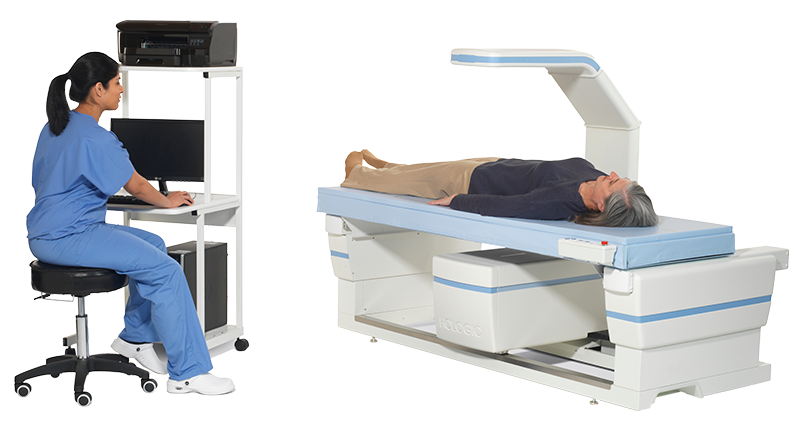
What the DEXA Scan Experience Is Like
Many people imagine complicated imaging when they hear the word “scan.”
In reality, the process is simple.
At Bodiatrics:
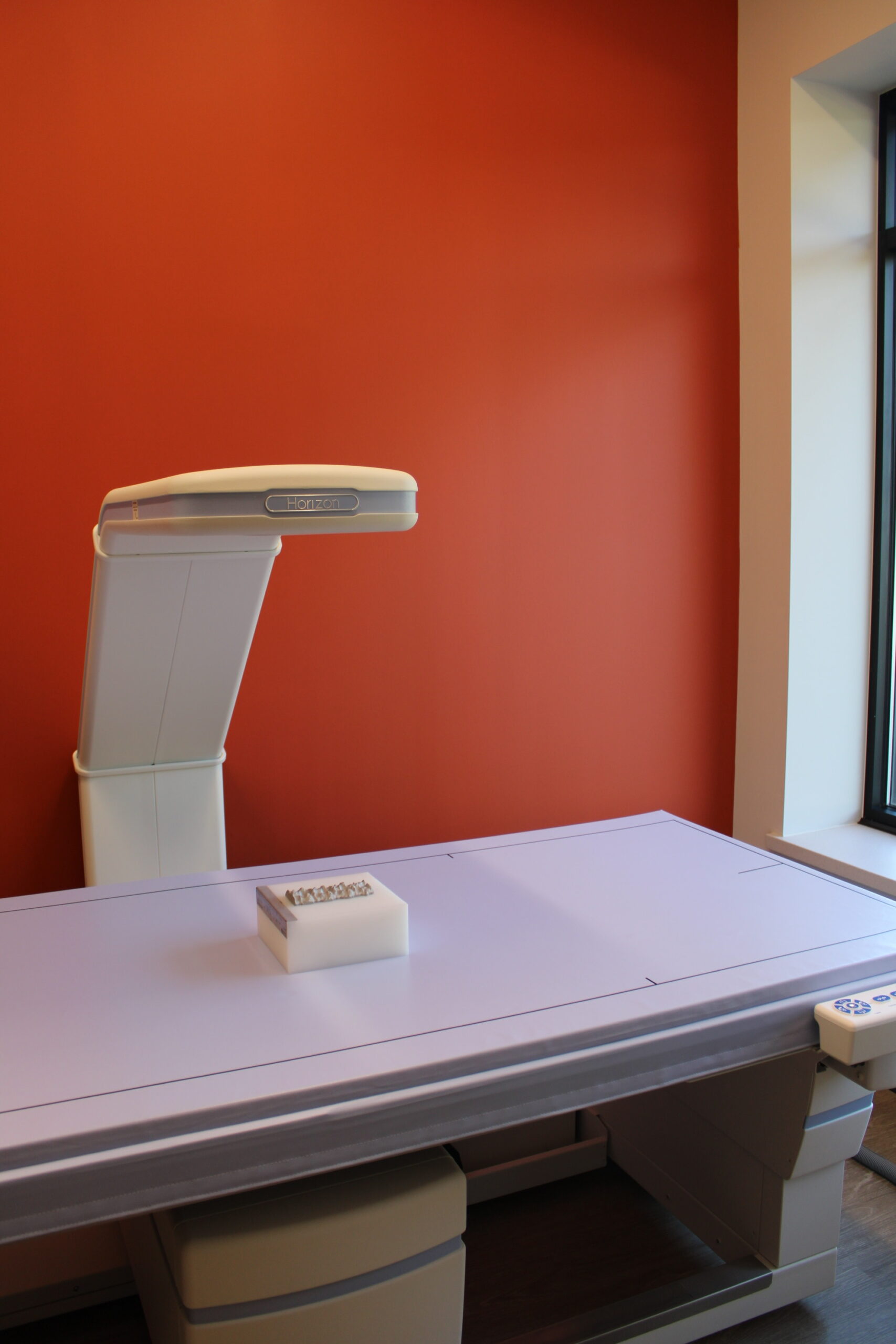
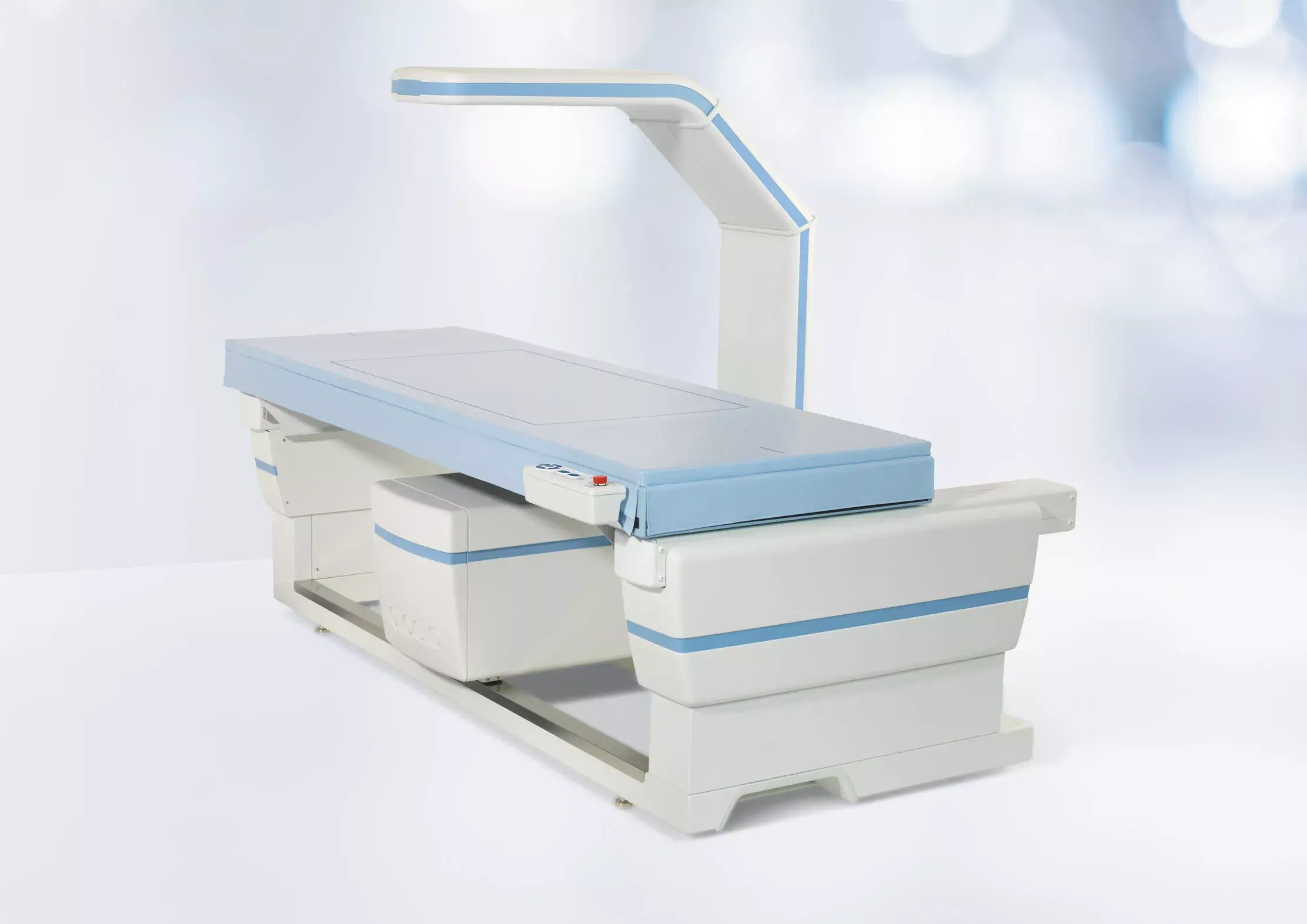
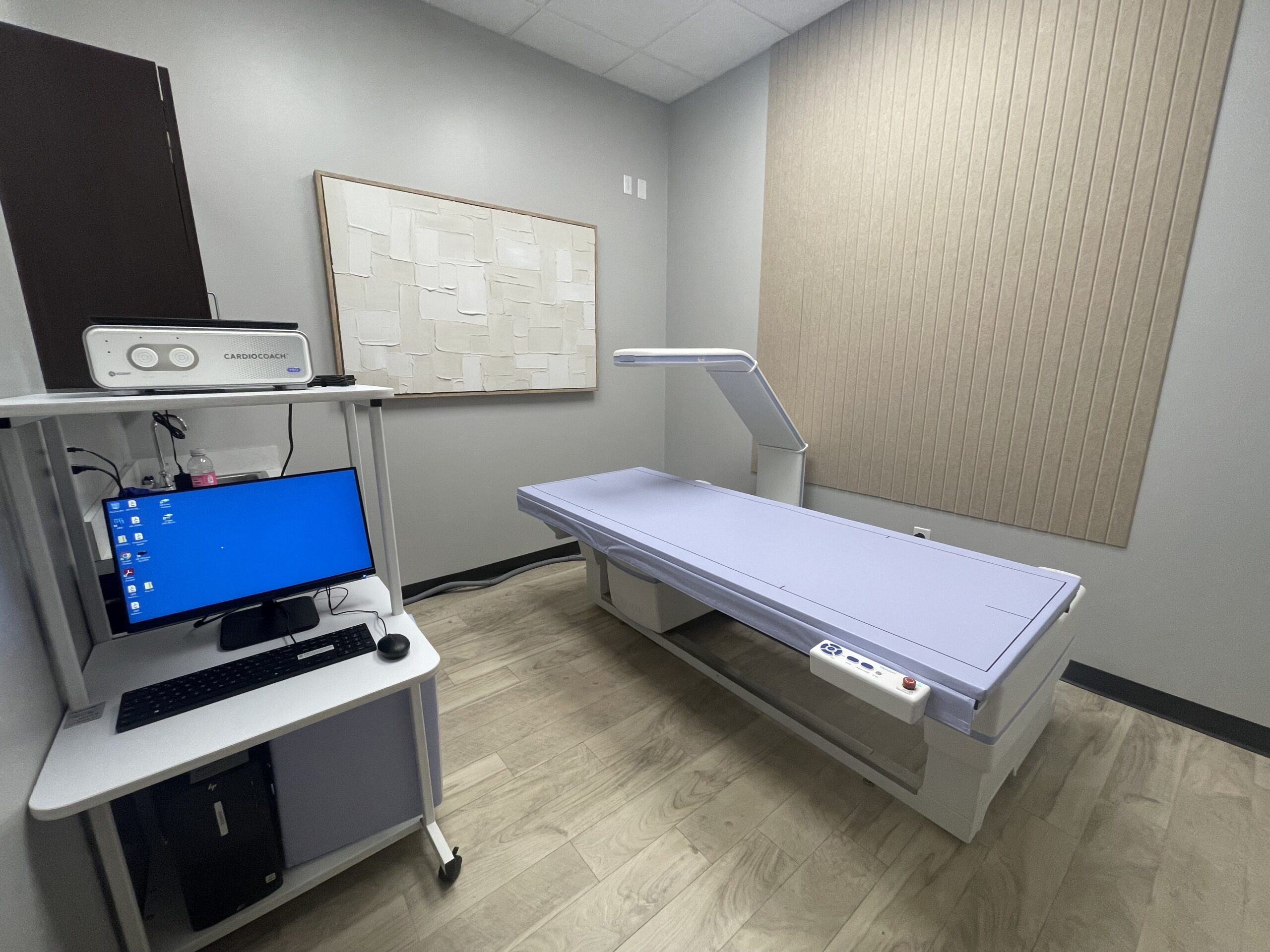
- the patient lies comfortably on a scanning table
- the machine passes slowly over the body
- the scan takes about 10 minutes
The radiation exposure is extremely low — far less than most medical imaging tests.
Patients typically receive their results shortly afterward, and Dr. Johnson reviews the findings in detail.
Why Body Composition Matters More Than Weight Alone
Health improvements often come from changes in body composition, not just weight reduction.
For example:
- increasing muscle mass improves metabolism
- reducing visceral fat lowers disease risk
- balanced muscle distribution improves strength and mobility
This is why Dr. Will Johnson often tells patients:
“Weight loss is not the goal. Better body composition is.”
DEXA scanning allows that progress to be measured precisely.
Frequently Asked Questions
”
Contact Bo₹diatrics
If you want to understand your body composition beyond what the scale shows, a DEXA scan can provide valuable insight.
At Bodiatrics, Dr. Will Johnson uses advanced diagnostic tools like DEXA scanning to guide personalized weight management and metabolic health strategies.
Bodiatrics — Dr. Will Johnson
Website: https://bodiatrics.com
Phone: (404) 854-4123
A consultation and body composition scan can help you understand exactly where your health stands — and what steps can help improve it.