
If you’re thinking about single-port gastric sleeve surgery here in Georgia, it’s completely normal for safety to be your first question. Bariatric surgery is a big, life-changing decision, and most people want to understand the risks just as much as the benefits. Single-port gastric sleeve — also known as SILSG — has grown popular because it offers a more cosmetic, less invasive option. But many patients still wonder: Is one incision really as safe as several?
Let’s break down what the research actually shows and what patients should keep in mind when deciding whether single-port surgery is the right fit.
What the Research Actually Shows About Single-Port Safety
Here’s the reassuring part: multiple studies confirm that single-port gastric sleeve is just as safe as the traditional multi-port sleeve — when it’s done by an experienced surgeon.
- A large NIH study comparing single-port and traditional laparoscopic sleeve gastrectomy found no significant difference in complication rates.
- Research published in Nature Scientific Reports showed the same thing: Leaks, bleeding, and other major complications occur at similar rates across both techniques.
- The overall conclusion across medical literature is clear: Single-port is not riskier. It’s just a different access method.
- The surgeon’s skill matters much more than the number of incisions.
Quick Breakdown: How Single-Port Sleeve Works
Understanding the technique helps make the safety conversation a lot clearer. Here’s what happens during a single-port gastric sleeve:
- One incision — about 2–3 cm — is made inside the belly button.
- A special multi-channel port is placed through that incision.
- A camera and instruments pass through this single access point.
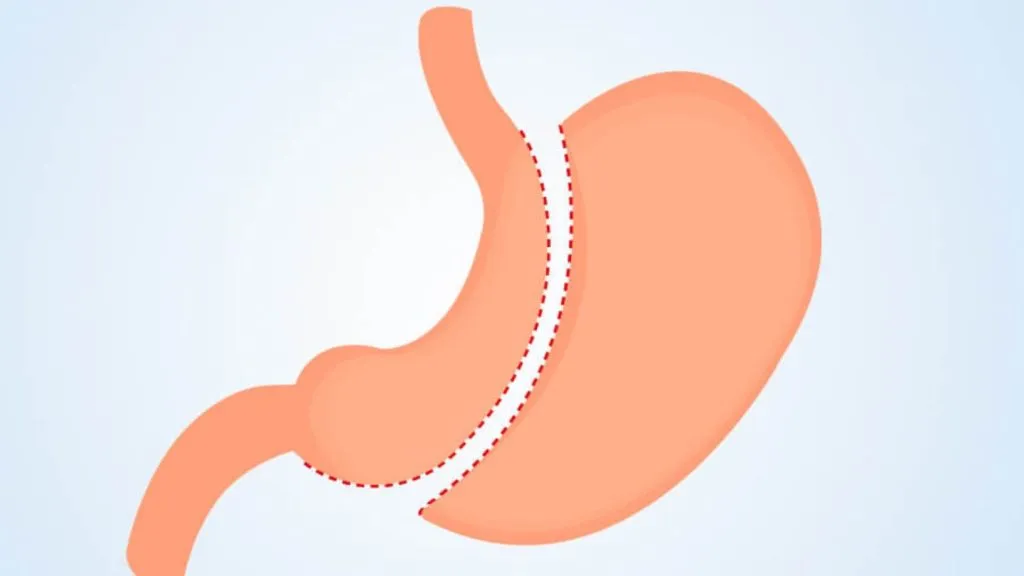
- About 75–80% of the stomach is removed, creating the slim, sleeve-shaped stomach.
- The incision is closed in layers and hidden naturally within the belly button.
The surgery usually takes 45–90 minutes, depending on anatomy, and most patients go home the next day.
Importantly, the actual sleeve procedure is the same. Only the entry point is different.
Benefits Georgia Patients Appreciate
Single-port surgery offers all the medical benefits of a sleeve — plus some cosmetic and comfort-related advantages.
1. A Scar That’s Almost Impossible to See
- This is the main reason many Atlanta-area patients look into single-port.
- The incision hides inside the belly button, so once it heals, most people can’t tell anything was done.
- For patients who spend time at Lake Lanier, hit local gyms, or simply prefer privacy about their surgery, this is a huge plus.
2. Less Trauma to the Abdominal Wall
Multiple ports mean multiple small incisions. Single-port concentrates everything into one spot, which may mean:
- Less overall tissue disruption
- Slightly less soreness for some patients
- A cleaner, simpler healing process
3. Early Movement Feels a Little Easier
Some people report that walking, standing, and shifting positions in the first few days feels smoother when there’s only one incision site.
4. Psychological Confidence
Many patients appreciate not having visible reminders of surgery every time they look in the mirror.
For others, the privacy aspect — “nobody can tell I had surgery” — is extremely valuable.
5. Same Weight Loss Results
This is important:
- Weight loss outcomes are identical to multi-port gastric sleeve.
- Patients typically lose 60–80% of excess weight over 12–18 months.
- Improvements in diabetes, sleep apnea, blood pressure, and joint pain are the same.
Single-port doesn’t change the effectiveness of the operation — just the cosmetic result.
Understanding the Risks (They’re the Same as Traditional Sleeve)
All bariatric surgeries involve risks, no matter how many incisions are used. Single-port doesn’t increase these risks — they’re simply part of sleeve gastrectomy in general.
Shared Risks for Both Techniques
- Staple line leak: 1–3% risk
- Bleeding
- Blood clots (DVT/PE)
- Infection
- Reflux or heartburn after surgery
- Vitamin/mineral deficiencies (lifelong supplements required)
- Stricture or narrowing (rare, but treatable)
Single-Port Specific Considerations
These aren’t “extra risks,” but they are things worth knowing:
- More technically demanding: Single-port surgery requires a surgeon who is very comfortable with this technique.
- Instrument crowding: Everything goes through one access point, so precision matters.
- Slightly longer operating time (sometimes): Experienced surgeons often match traditional times, but learning-curve surgeons may take longer.
- Small risk of umbilical hernia: Proper closure minimizes this, and rates remain low.
Again — these concerns largely disappear when you’re working with a very experienced single-port surgeon.
Is Single-Port Gastric Sleeve Right for You?
It’s not a universal fit, but many patients are great candidates.
Ideal candidates usually have:
- BMI between 35–50 (some surgeons go up to 55)
- No major previous abdominal surgeries
- Anatomy suitable for single-incision access
- Strong preference for minimal scarring
- Good overall health and realistic expectations
Traditional laparoscopy may be better if:
- BMI is above 50–55
- You’ve had several abdominal surgeries with scar tissue
- Your anatomy requires more working space
- You prefer the standard multi-port approach
This is exactly what a consultation is for — determining which approach offers the safest, most effective outcome for you.
How to Maximize Safety (Single-Port or Not)
No matter the technique, these steps make the biggest impact on safety:
- Choose an experienced bariatric surgeon
- Use an accredited bariatric center
- Complete all pre-op testing and nutrition appointments
- Follow the post-op diet carefully
- Take vitamins as prescribed
- Stay active and report concerns quickly
When those pieces line up, complication rates stay low.
Expert Single Port Surgery in Atlanta
If you’re exploring single port gastric sleeve in Georgia, Dr. Will Johnson at Bodiatrics is one of the most experienced surgeons offering this technique.
He brings:
- Over 20 years of bariatric surgery experience
- Extensive training in minimally invasive and single-incision methods
- A balanced, honest approach — recommending the safest option for each patient
- A full support system that goes far beyond the operating room
Patients come to Bodiatrics not just for the surgery itself, but for the ongoing care that makes long-term success possible.

What to Expect at Your Consultation
At Bodiatrics, Dr. Johnson will:
- Review your health, BMI, and surgical history
- Determine whether single-port is a safe option for you
- Explain how the technique works — in plain language
- Go through realistic weight-loss outcomes
- Break down the risks and warning signs
- Show examples of incision healing over time
- Answer every question you have
You’ll leave with a clear understanding of whether single-port or another method is the better fit.
So… Is Single-Port Gastric Sleeve Safe?
Yes — when performed by an experienced surgeon and on the right candidate.
The research is consistent:
Single-port gastric sleeve has equivalent safety to traditional laparoscopic sleeve gastrectomy.
The things that matter most are:
- Surgeon skill
- Proper patient selection
- Accredited facility
- Patient preparation and follow through
For the right patient, single-port can offer a great blend of safety, minimally invasive access and a nearly invisible scar.
Ready to Explore Your Options?
If you’re in the Atlanta area and considering single port gastric sleeve, the best first step is a consultation.
Call Bodiatrics at (404) 854-4123
Visit – bodiatrics.com
You’ll get an honest evaluation and a personalized plan that prioritizes your health, safety and long-term success.