Most people walk into Bodiatrics frustrated by the same thing.
They’re doing the work.
Eating better. Moving more. Sometimes even taking medication.
And the scale barely moves — or worse, it goes up.
That’s usually the moment patients start questioning everything. Their plan. Their effort. Sometimes even themselves.
But here’s the truth we see every day at Bodiatrics:
The scale is often the least reliable tool in the room.
That’s exactly why DEXA scans have become such an important part of how Bodiatrics evaluates weight loss — especially for patients who want real answers, not guesses.
Why the Scale Gets It Wrong (More Often Than You Think)
A scale only tells you one thing: total body weight.
It doesn’t tell you:
- How much of that weight is fat
- How much is muscle
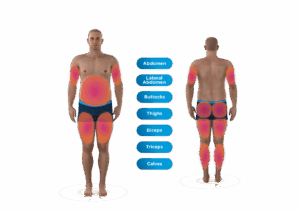
- Where fat is stored
- Whether weight changes are actually good changes
At Bodiatrics, it’s common to see patients whose weight hasn’t changed much — but whose body composition has improved dramatically.
Less fat. More muscle. Better metabolic health.
The scale can’t see that.
DEXA can.
What a DEXA Scan Actually Measures
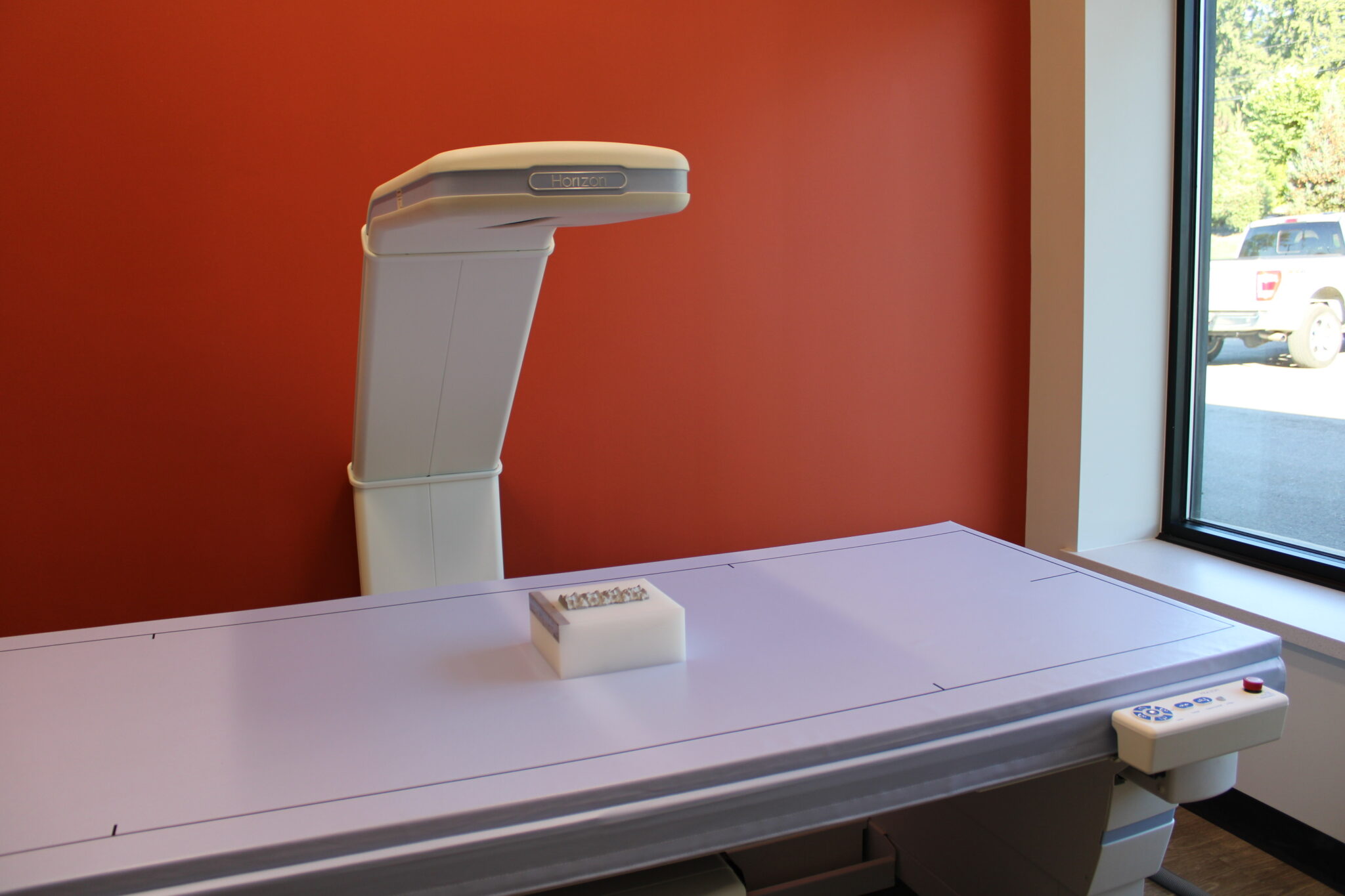
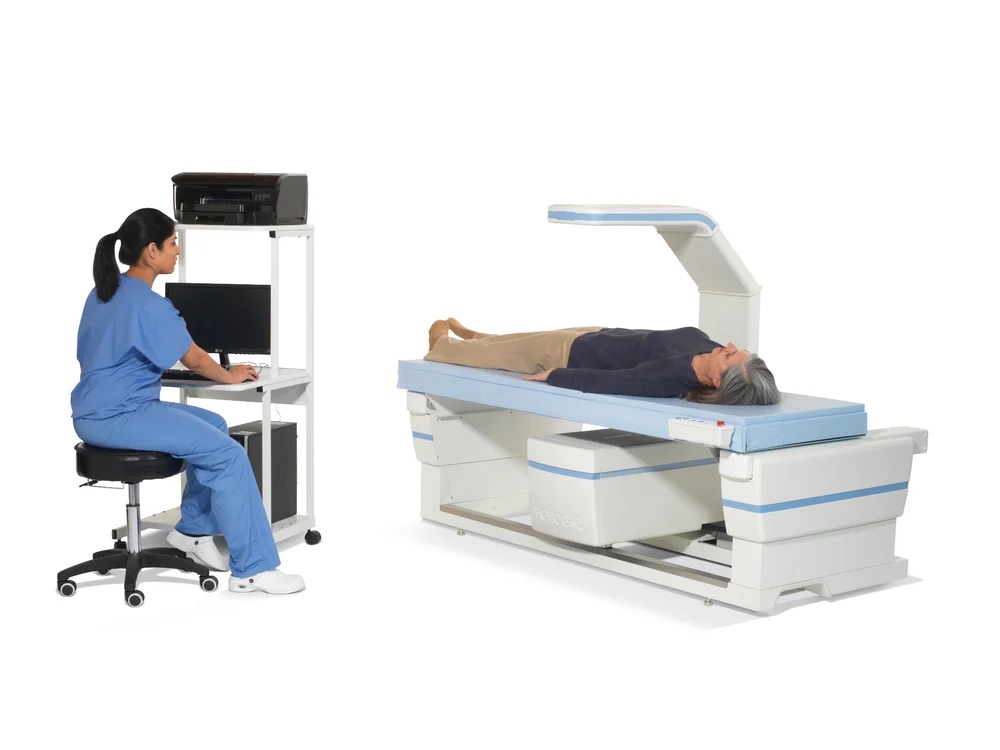
DEXA Scan Body Composition testing stands for Dual-Energy X-ray Absorptiometry. But the name doesn’t matter nearly as much as what it shows.
A DEXA scan breaks your body down into:
- Fat mass
- Lean muscle mass
- Bone density
- Fat distribution (including visceral fat around organs)
Instead of guessing whether weight loss is working, Bodiatrics can see exactly what is changing — and what isn’t.
That level of detail completely changes how treatment decisions are made.
Why Bodiatrics Uses DEXA (and Many Places Don’t)
Most weight loss clinics rely on:
- Scales
- BMI charts
- Visual estimates
- Progress photos
Those tools are easy. They’re also incomplete.
Bodiatrics uses DEXA because:
- It removes guesswork
- It explains plateaus
- It prevents unnecessary treatment changes
- It shows progress patients can’t see yet
This is especially important for patients doing medical weight loss, strength-based programs, or body recomposition treatments.
If muscle is increasing while fat is decreasing, the scale may not move — but the DEXA scan tells the real story.
The “Plateau” That Isn’t Actually a Plateau
One of the most common moments we see at Bodiatrics goes like this:
A patient says, “I’ve stalled. Nothing is happening.”
Then the DEXA scan shows:
- Fat mass is down
- Muscle mass is up
- Visceral fat is decreasing
- Metabolic health markers are improving
In other words — progress is happening. Just not in a way the scale can measure.
Without DEXA, those patients often get discouraged or pushed into unnecessary changes. With DEXA, the plan gets refined instead of scrapped.
How DEXA Helps Choose the Right Weight Loss Path
This is where Bodiatrics truly separates itself from generic bariatric or med-spa clinics.
DEXA scans help answer critical questions like:
- Is medical weight loss actually working?
- Is muscle being preserved or lost?
- Is surgery being considered too early — or too late?
- Should treatment shift toward strength, nutrition, medication, or surgery?
Because Bodiatrics offers both medical and surgical weight loss, the goal isn’t to force a solution.
It’s to choose the right one — based on data.
DEXA Before Surgery vs After Surgery
DEXA is valuable on both sides of the journey.
DEXA scan before weight loss surgery, it helps:
- Establish a true baseline
- Identify muscle mass that should be preserved
- Guide pre-op preparation
After surgery, it helps:
- Monitor muscle retention
- Track fat loss accurately
- Prevent unhealthy lean mass loss
- Adjust nutrition and activity plans early
This is how long-term success is protected — not just rapid weight loss.
Why This Matters More Than Ever
Weight loss today isn’t just about losing pounds.
It’s about:
- Metabolic health
- Muscle preservation
- Longevity
- Strength
- Sustainability
Bodiatrics uses DEXA because modern weight loss requires modern tools — not outdated metrics.
Frequently Asked Questions
Why Patients Choose Bodiatrics
What patients notice quickly is that Bodiatrics doesn’t rely on shortcuts.
They rely on:
- Objective data
- Clinical judgment
- Long-term thinking
- Individualized planning
DEXA scans are just one example of that philosophy — but a powerful one.
Schedule a Consultation at Bodiatrics
If you’re frustrated with the scale — or confused about whether your weight loss plan is actually working — a DEXA scan can bring clarity.
And clarity is often the difference between quitting and moving forward with confidence.
Bodiatrics Wellness & Longevity Center
Atlanta & North Georgia
https://bodiatrics.com
(404) 854-4123
At Bodiatrics, progress isn’t guessed.
It’s measured — and understood.