
Most people who end up researching weight loss treatments don’t start out thinking about surgery.
They start with frustration.
They’ve tried dieting more times than they can count. They’ve joined gyms, tracked calories, maybe even lost weight once — only to gain it back. By the time they land on a page like this, they’re usually asking a very honest question:
Do I really need surgery… or is there a safer way to do this?
At Bodiatrics, this is a conversation that happens every single day. And the answer is rarely black and white. Some patients truly do well with non-surgical medical weight loss. Others don’t — and forcing that path can actually delay real progress.
This guide explains how both approaches work, what “safety” really means in weight loss, and how Bodiatrics helps patients choose the right treatment option for weighloss instead of a trendy one.
Why This Comparison Matters More Than Ever
Weight loss medicine has changed fast.
GLP-1 medications. Advanced metabolic testing. Body composition scans. Coaching programs. And, of course, bariatric surgery that looks nothing like it did 20 years ago.
The problem?
Most clinics only offer one option — and then try to make everyone fit it.
Bodiatrics is different by design. Surgical and non-surgical care live under the same roof, guided by the same medical team. That means patients aren’t being pushed toward surgery or talked out of it for the wrong reasons.
They’re being evaluated.
What Non-Surgical Weight Loss Actually Involves
Non-surgical weight loss today is not just “eat less and move more.”
At Bodiatrics, it often includes:
- Prescription weight loss medications (including GLP-1 therapies when appropriate)
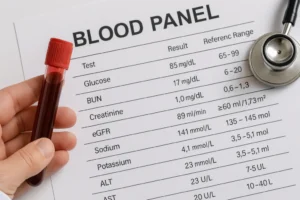
- Resting metabolic rate (RMR) testing
- DEXA body composition scans
- Nutritional strategy and accountability
- Medical monitoring over time
For the right patient, this can be very effective — especially in the early stages of weight loss.
But here’s where many people get misled.
Where Non-Surgical Weight Loss Often Falls Short
Bodiatrics sees a very common pattern:
Patients lose weight initially… then stall.
Or they lose weight… then regain it.
Or the scale moves, but body composition doesn’t improve much.
This usually happens when:
- Metabolism adapts and slows
- Hormonal signals fight against weight loss
- Muscle mass drops along with fat
- Hunger hormones rebound after medication stops
Non-surgical weight loss can be safe — but safety without effectiveness isn’t success.
That’s when surgery enters the conversation.

What Surgical Weight Loss Looks Like Today
Modern bariatric surgery is not what most people imagine.
At Bodiatrics, procedures are:
- Minimally invasive
- Carefully selected based on anatomy and health history
- Supported by long-term medical and nutritional care
Surgery doesn’t replace lifestyle changes — it supports them by changing the biological environment that makes weight loss so difficult in the first place.
And importantly: bariatric surgery today has one of the strongest long-term safety and outcome records in modern medicine when performed at experienced centers.
So… Which Is Actually Safer?
This is where Bodiatrics takes a very honest stance.
Short-term safety:
- Non-surgical options often feel “safer” emotionally
- Surgery feels bigger and more intimidating
Long-term safety:
- Persistent obesity carries real risks: diabetes, heart disease, joint damage, sleep apnea
- Delaying effective treatment can quietly increase those risks
For many patients, the safest option long-term is the one that actually works — not the one that feels easier at first.
Effectiveness: Where the Difference Becomes Clear
Here’s what Bodiatrics sees over and over:
Non-surgical weight loss:
- Can work well for mild to moderate obesity
- Requires constant effort and monitoring
- Results vary widely between patients
Surgical weight loss:
- Produces more consistent, durable results
- Preserves metabolic improvements long-term
- Has stronger data for resolving obesity-related conditions
This doesn’t mean surgery is always the answer.
It means surgery is often the next step, not a failure.
How Bodiatrics Decides What’s Right for You
This is where the hybrid model matters.
At Bodiatrics, patients don’t get a sales pitch. They get data:
- Body composition, not just weight
- Metabolic testing
- Medical history and risk assessment
- Honest discussion of past weight loss attempts
Sometimes the recommendation is non-surgical.
Sometimes it’s surgery.
Sometimes it’s a combination over time.
That flexibility is intentional — and rare.
Why This Approach Builds Trust
Many patients say the same thing after their consultation:
“This is the first place that didn’t push me in one direction.”
That’s because Bodiatrics isn’t trying to sell a procedure.
They’re trying to solve a medical problem — sustainably.
Frequently Asked Questions
Contact Bodiatrics
If you’re weighing your options and want an honest, medically grounded recommendation — not pressure — a consultation is the right next step.
At Bodiatrics, weight loss isn’t treated as a one-size-fits-all problem. It’s approached as a long-term health decision, guided by data, experience, and real outcomes.
Bodiatrics Wellness & Longevity Center
Website: https://bodiatrics.com
Phone: (404) 854-4123
The safest weight loss plan is the one that actually works for you.