When people hear “belly-button weight loss surgery,” the first reaction is usually curiosity.
Sometimes skepticism.
And almost always the same follow-up question:
“Okay… but what is recovery actually like?”
That’s fair. Surgery is a big step, and even when patients like the idea of a single hidden incision, they want to know what the days and weeks afterward really look like.
Belly-button weight loss surgery — also called SILS (Single Incision Laparoscopic Surgery) — doesn’t change the bariatric procedure itself. What it changes is how the surgeon gets there. And because of that, recovery feels a little different for some patients.
Here’s what Atlanta patients should realistically expect.
First, a Quick Clarification
Belly-button surgery doesn’t mean a different type of gastric sleeve or gastric bypass.
- The surgery itself is the same.
- The stomach is altered the same way.
- Weight-loss results are the same.
- The difference is access.
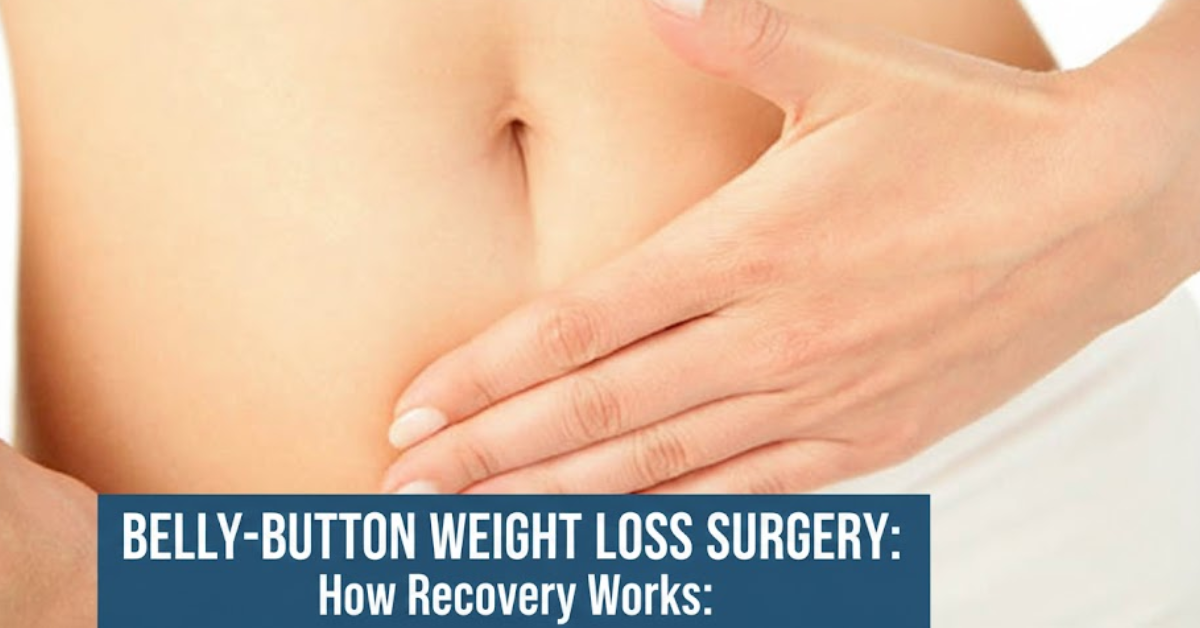
Instead of multiple small incisions across the abdomen, everything goes through one small opening hidden inside the belly button.
That matters most during healing.
The First 24 Hours After Surgery
Most patients wake up feeling groggy, sore, and surprisingly relieved that the surgery is behind them.
Pain is usually described as pressure or tightness, not sharp pain. There’s often some discomfort around the belly button, along with bloating from the gas used during surgery.
Patients are encouraged to:
- Get up and walk the same day
- Sip fluids slowly
- Start breathing exercises
Most people stay one night in the hospital. Some go home the next day feeling tired but stable.
The First Week at Home
This is when recovery feels the most “real.”
Energy is low. Movements feel slow. Sitting up and standing takes intention. But with SILS, there’s only one incision site, which many patients find easier to manage.
Common experiences:
- Mild soreness at the belly button
- Tightness when bending or twisting
- Fatigue that comes and goes
- No heavy pain at multiple incision sites
- Walking is encouraged, but rest matters too. This isn’t the week to push yourself.
Weeks Two and Three
This is when most patients start to feel human again.
The incision continues healing. Swelling goes down. Energy slowly comes back. Many Atlanta patients return to desk jobs somewhere in this window.
Because there’s only one incision:
- Clothing often feels more comfortable sooner
- There’s less pulling or irritation from waistbands
- Scar care is simpler
- Diet progression and hydration become the main focus.
What About the Belly Button Itself?
This is something patients worry about — understandably.
Right after surgery, the belly button looks swollen and a bit red. That’s normal. Over the next few weeks, it softens and settles back into its natural shape.
By a few months out, most patients say:
- The incision blends in
- They have to look for it to find it
- Others can’t tell surgery was done
- Healing varies, but belly buttons tend to hide scars extremely well.
Pain: Is SILS Easier?
Some patients say yes. Some say it feels about the same.
The biggest difference is location, not intensity.
Instead of soreness in several spots, discomfort is concentrated in one area. For many people, that makes early movement and daily activities feel a bit more manageable.
- Activity and Exercise
- Walking starts immediately.
- Light activity comes first.
- Heavy lifting waits.
Typical guidelines:
- Walking: same day
- Light activity: 1–2 weeks
- Desk work: around 2 weeks
- Full activity: about 4–6 weeks
Dr. Will Johnson gives individualized guidance based on how healing is progressing.
Does Recovery Affect Weight Loss?
No.
This part is important.
Recovery style doesn’t change how much weight you lose. That depends on:
- The type of bariatric surgery
- Diet compliance
- Follow-up care
- Lifestyle changes
SILS affects how you heal, not how the surgery works.
Why Dr. Will Johnson Focuses on the Right Fit
Not everyone is a candidate for belly-button surgery.
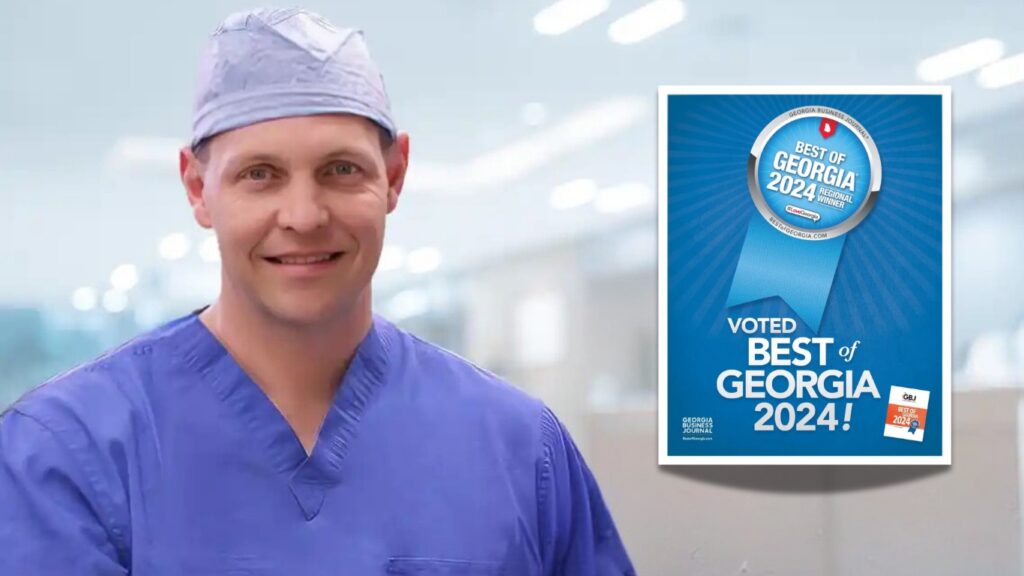
Previous abdominal surgeries, anatomy, and BMI all play a role. Dr. Johnson evaluates this carefully during consultation and recommends SILS only when it’s safe.
If traditional laparoscopy is a better option, that’s explained clearly — no pressure either way.
What Patients Say Matters Most
Most Atlanta patients don’t talk about the incision months later.
They talk about:
- Feeling better physically
- Needing fewer medications
- Moving more easily
- Having confidence again
- The incision fades. The health changes don’t.
Frequently Asked Questions About Belly Button Weight Loss Surgery
Thinking About Your Next Step?
If you’re considering bariatric surgery in Atlanta and want to understand whether belly-button weight loss surgery makes sense for you, a consultation is the best place to start.
Dr. Will Johnson | Bodiatrics
📞 (404) 854-4123
🌐 https://www.bodiatrics.com
You’ll get an honest explanation of your options — and a recovery plan that fits your body, not a one-size-fits-all approach.