Pros, Cons, and How Bodiatrics Helps Patients Choose the Right Path
At Bodiatrics, a lot of conversations around mental wellness start the same way.
Patients say they feel overwhelmed. Foggy. Constantly stressed.
Not in crisis — just not themselves.
Some have already tried medication.
Others are in counseling.
Some aren’t sure where to start at all.
That’s usually when the question comes up:
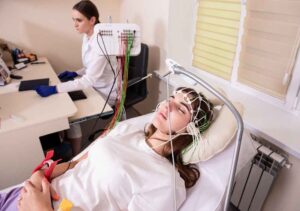
How does something like EXOMIND Therapy compare to more traditional options?
This article breaks down the differences in a realistic way — not to push one solution, but to help patients understand when each approach makes sense.
The Big Picture: There’s No One “Right” Mental Wellness Treatment
One of the things Bodiatrics emphasizes early on is this:
Mental wellness isn’t one-size-fits-all.
Medication, counseling, and newer technologies like EXOMIND all work — just for different people, at different times, and for different reasons.
The goal isn’t to replace traditional care.
It’s to match the right tool to the right patient.
Traditional Option #1: Medication
Medication is often the first thing patients think of — and sometimes the first thing they’re offered.
Pros
- Can be effective for anxiety, depression, and mood disorders
- Widely available
- Often covered by insurance
Cons
- Side effects (fatigue, weight changes, sexual side effects, emotional blunting)
- Daily dosing required
- Trial-and-error process to find the right medication
- Some patients don’t want to stay on medication long-term
At Bodiatrics, many patients arrive already taking medication — but looking for additional support, or alternatives that don’t rely solely on pharmaceuticals.
Traditional Option #2: Counseling or Therapy
Therapy plays a huge role in mental health, especially when stress, life events, or emotional processing are involved.
Pros
- Helps patients understand thought patterns and behaviors
- Strong long-term benefits
- No physical side effects
Cons
- Progress can feel slow
- Requires consistent time commitment
- Doesn’t always address mental fatigue or focus issues on its own
Many Bodiatrics patients continue therapy while exploring other options. EXOMIND isn’t positioned as a replacement — more as a complement.
Traditional Option #3: TMS (Transcranial Magnetic Stimulation)
TMS is another non-invasive brain stimulation treatment, typically used for treatment-resistant depression.
Pros
- Non-surgical
- No medication involved
- Backed by clinical research
Cons
- Often limited to specific diagnoses
- Can require daily sessions for several weeks
- Typically focused on depression rather than overall mental wellness
This is where EXOMIND often gets compared — and confused.
Where EXOMIND Fits In
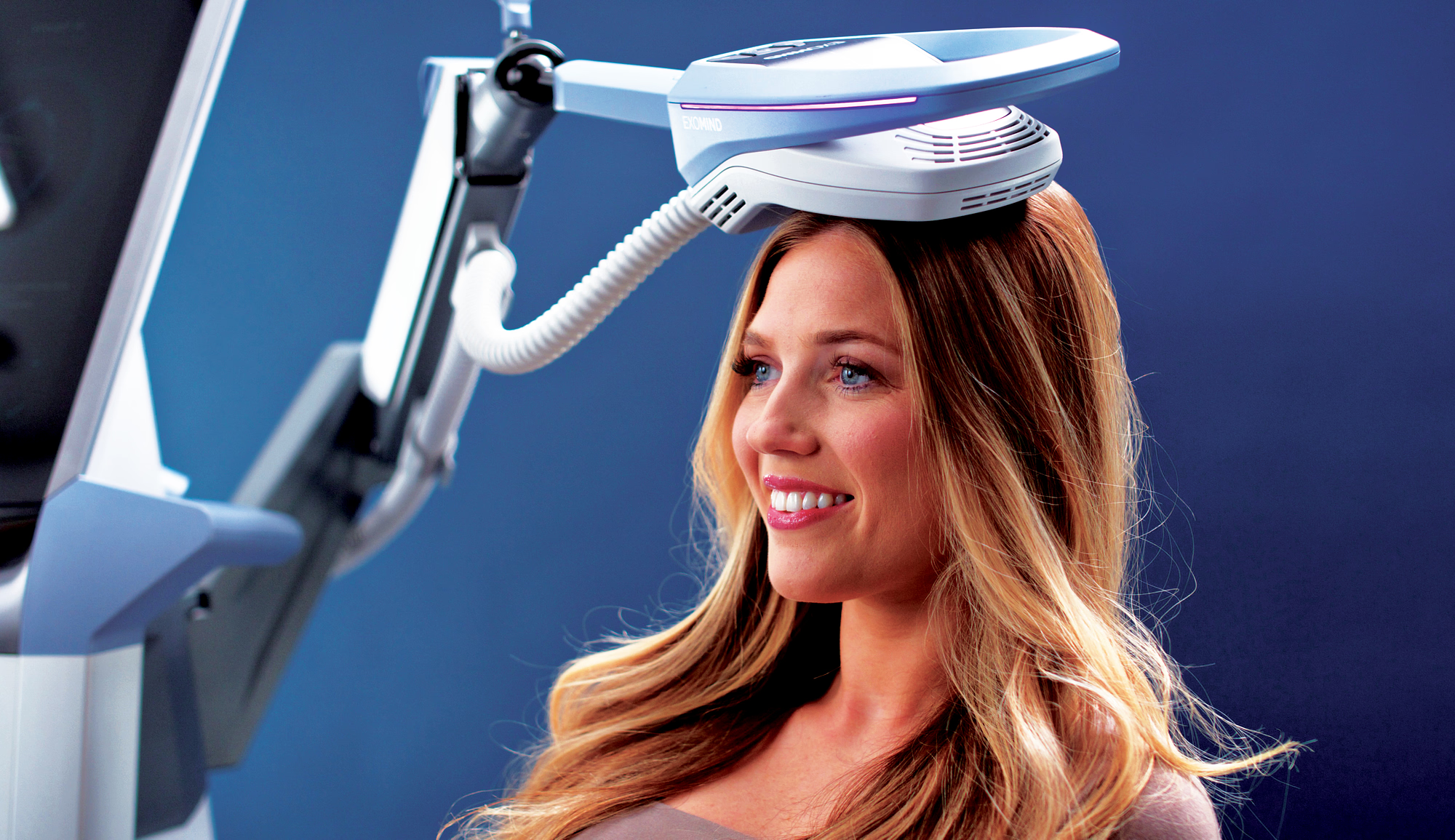
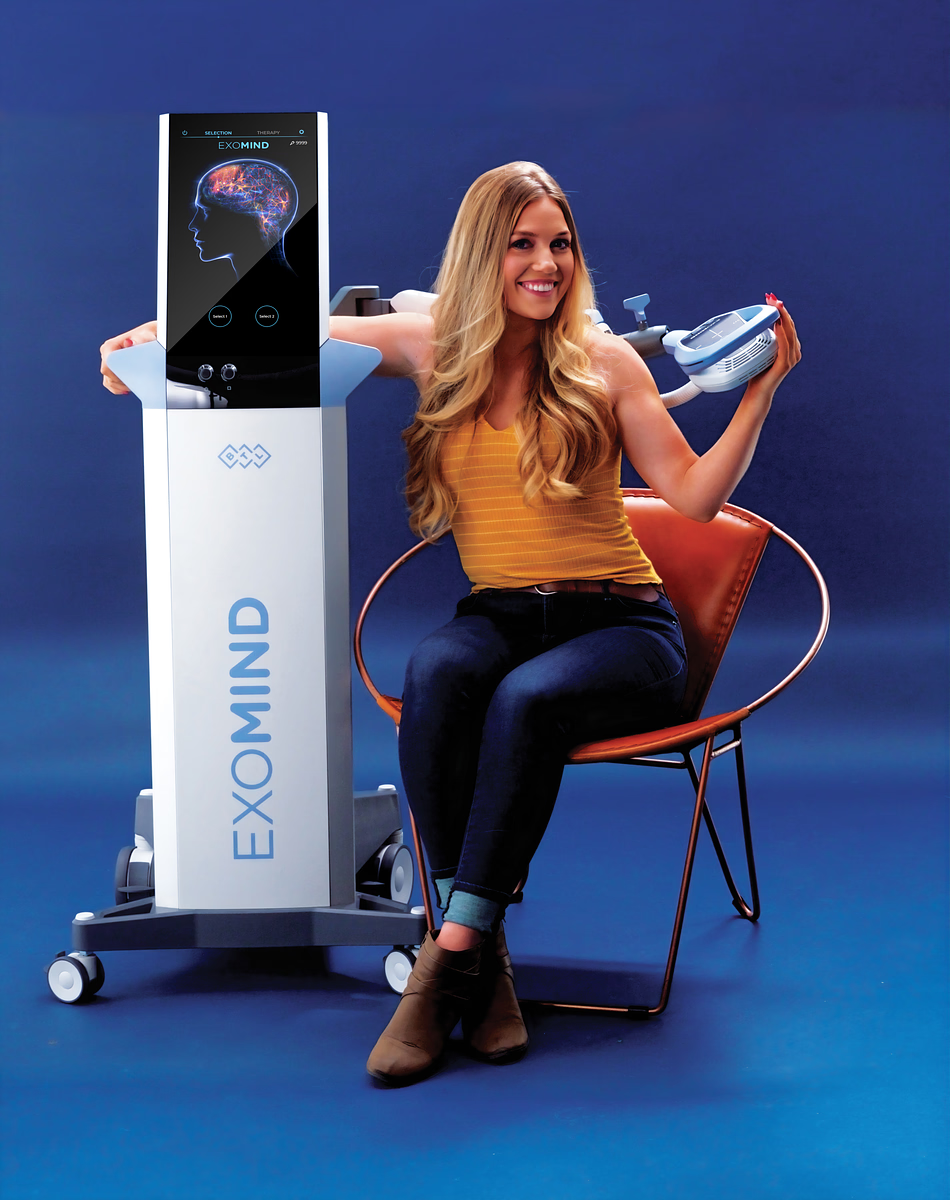
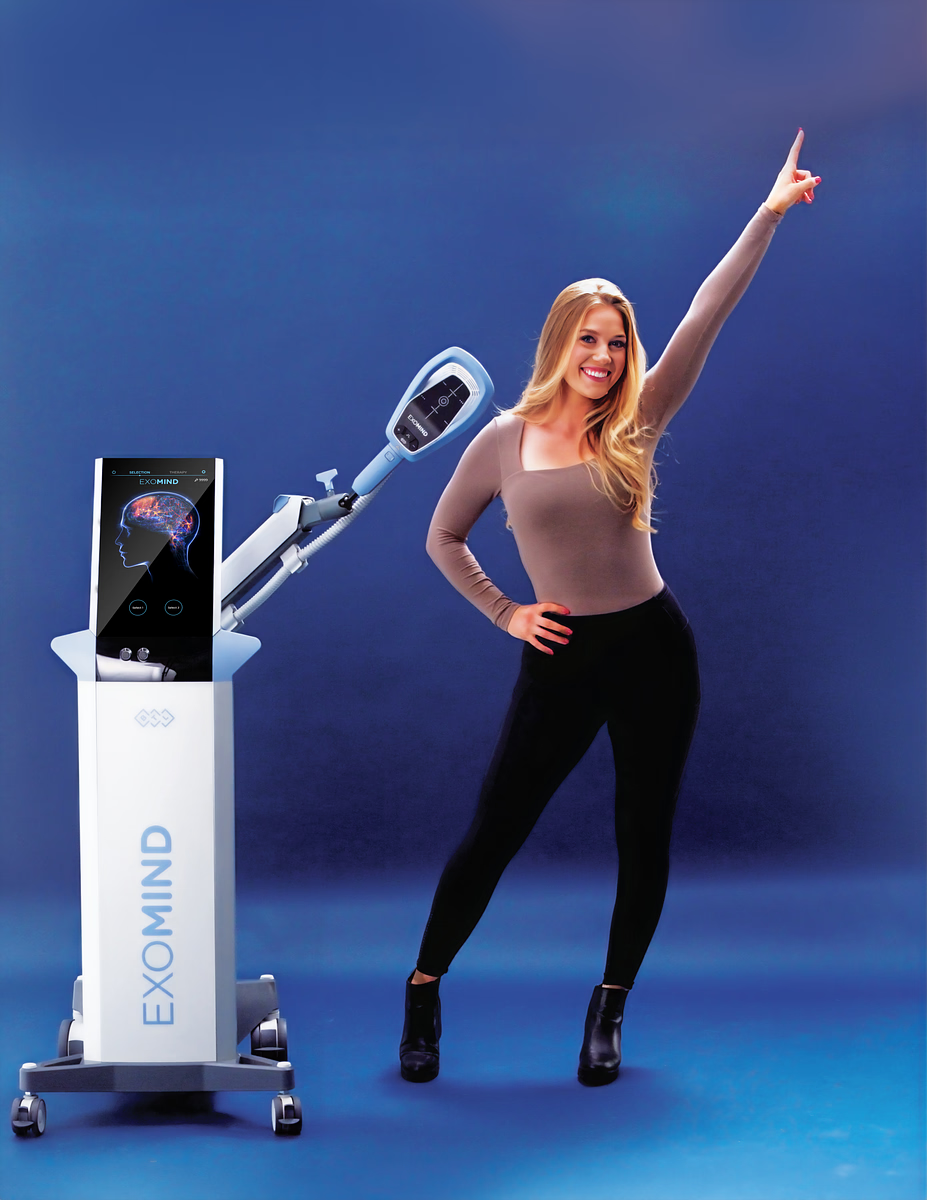
EXOMIND is offered at Bodiatrics as a non-invasive, FDA-cleared brain stimulation therapy focused on mental clarity, stress regulation, and emotional balance.
It does not involve medication.
It does not require surgery.
There’s no downtime.
Instead, it gently stimulates specific brain regions involved in:
- mood regulation
- focus and attention
- stress response
- mental stamina
For patients who feel mentally “stuck,” overwhelmed, or chronically drained — EXOMIND offers another path.
Pros of EXOMIND Therapy
Patients at Bodiatrics often choose EXOMIND because:
- It’s drug-free
- There’s no daily dosing
- Sessions are short (20–30 minutes)
- No downtime afterward
- It fits well into broader wellness plans
It’s especially appealing to patients already working on physical health, weight management, or lifestyle changes — where mental clarity and motivation matter.
Limitations to Understand
EXOMIND isn’t for everyone.
It:
- Is not a cure-all
- Doesn’t replace therapy when deeper emotional work is needed
- Doesn’t override serious psychiatric care
- Requires a series of sessions, not one visit
At Bodiatrics, this is discussed clearly up front. No hype. No promises.
How Bodiatrics Helps Patients Decide
One of the biggest differences at Bodiatrics is how these options are presented.
Patients aren’t pushed toward a single solution. Instead, the team looks at:
- medical history
- current treatments
- lifestyle factors
- stress levels
- mental and physical goals
Sometimes EXOMIND is recommended alone.
Sometimes alongside therapy.
Sometimes not at all.
The focus is alignment — not sales.
What Patients Often Ask About EXOMIND Therapy vs. Traditional Mental Wellness Treatments
Final Thoughts
Mental wellness doesn’t have to be an all-or-nothing decision.
Medication, therapy, TMS, and EXOMIND all have a place.
What matters is choosing the option that fits your body, mind, and goals.
At Bodiatrics, EXOMIND is one part of a bigger picture — supporting mental clarity so patients can actually follow through on the changes they’re already working toward.
Contact Bodiatrics
If you’re curious how EXOMIND compares to other options for you specifically, a consultation is the best next step.
Website: https://bodiatrics.com
Phone: (404) 854-4123
Location: Atlanta, Georgia
Serving Johns Creek, Alpharetta, Roswell, Suwanee, Sandy Springs, Milton, and surrounding areas.
The goal isn’t choosing the trendiest treatment — it’s choosing what actually helps you move forward.