When people start preparing for weight loss surgery, they expect the usual checklist. Lab work. Nutrition visits. Medical clearances. What often catches them off guard is hearing about a DEXA scan.
The reaction is usually the same:
“Do I really need this?”
“Isn’t that just for bones?”
For many patients, a DEXA scan ends up being one of the most useful pieces of information they get before surgery — not because it decides whether they qualify, but because it shows what their body is actually made of before things start to change.
Here’s how Dr. Will Johnson and the team at Bodiatrics use DEXA scans, and why they matter for the right patient.
First, What a DEXA Scan Actually Measures
Most people associate DEXA scans with osteoporosis. That’s only part of the picture.
In the context of weight loss surgery, a DEXA scan measures:
- Body fat percentage
- Lean muscle mass
- Bone density
- Fat distribution (where fat is stored)
It doesn’t guess. It doesn’t estimate. It gives a detailed breakdown of what’s happening inside your body right now.
That’s different from a scale.
Why the Scale Isn’t Enough Before Surgery
Two patients can weigh the same and have completely different bodies.
- One may carry more muscle.
- Another may have a higher fat percentage.
- One may already have low bone density.
- The scale doesn’t show any of that.
A DEXA scan helps Dr. Johnson understand:
- How much muscle you’re starting with
- Whether bone density needs monitoring
- How aggressively nutrition and protein need to be managed
- How to protect lean mass after surgery
That information becomes more important after surgery — but it starts before.
Why This Matters Before Weight Loss Surgery
Weight loss surgery works. That’s not the question.
The real goal is losing fat while preserving muscle and bone.
Without baseline data, it’s harder to know:
- If muscle loss is happening too quickly
- Whether strength training should be emphasized earlier
- If nutrition needs adjustment
- How your body is responding beyond just pounds lost
A DEXA scan gives a starting point. Something to compare against months later.
What the Scan Is Like (And Isn’t)
This part is simple.
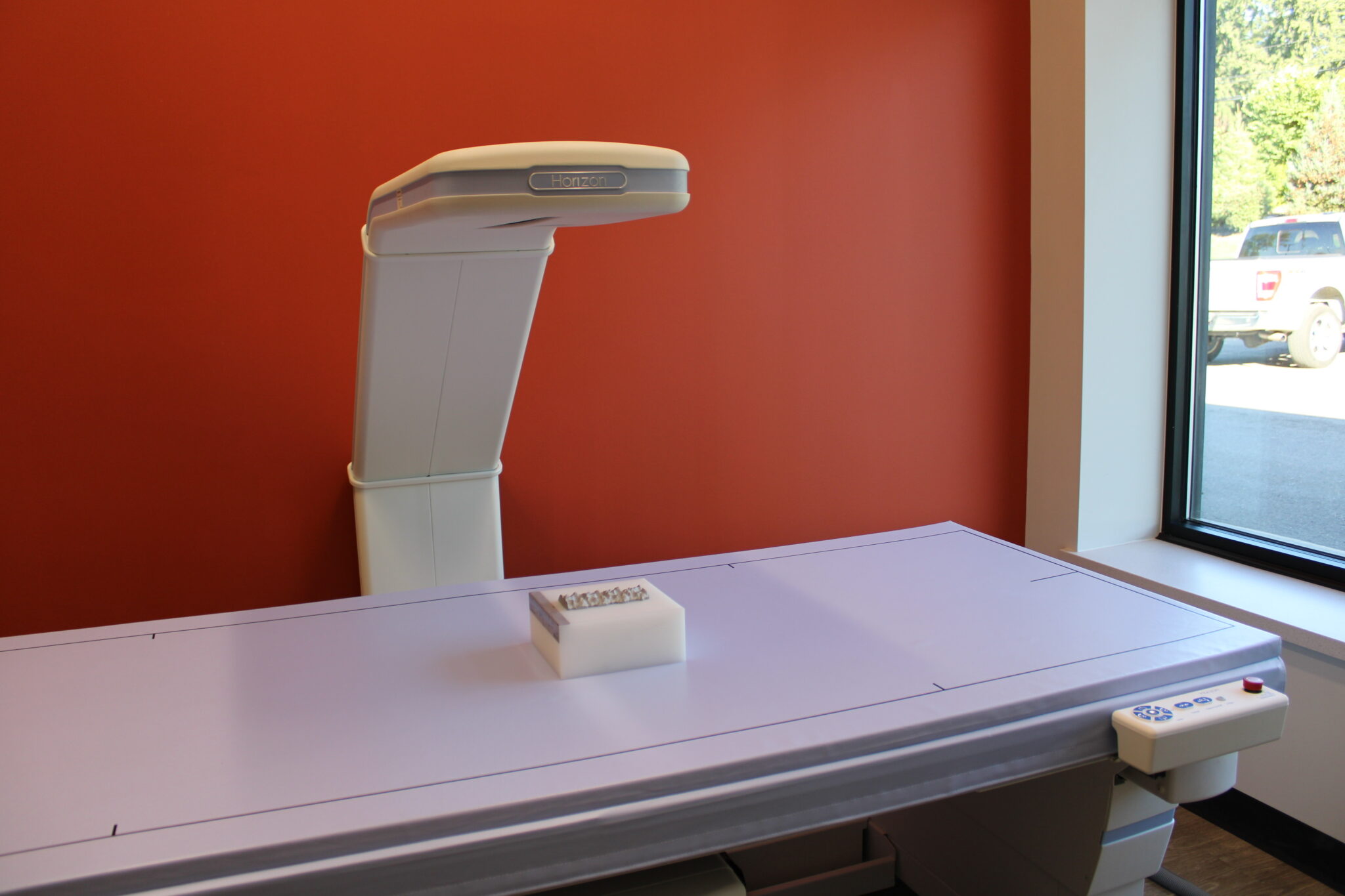
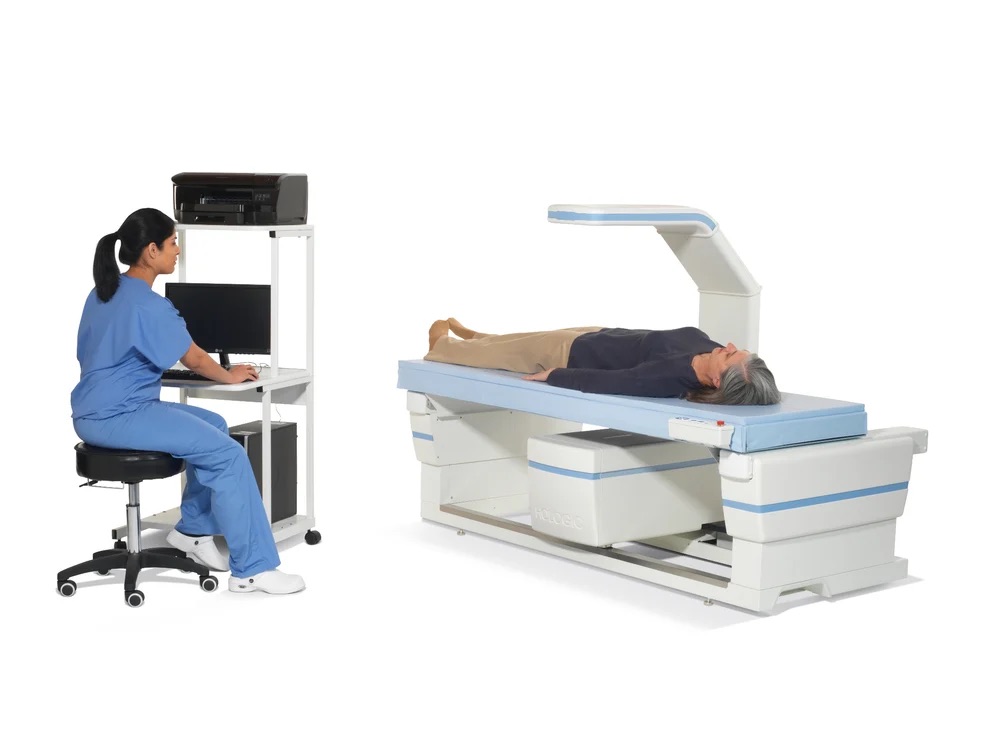
You lie down.
The scanner moves slowly over your body.
No injections. No tunnels. No pain.
The scan usually takes about 10 minutes. Radiation exposure is extremely low — far less than a CT scan.
Most patients are surprised by how easy it is.
Does Everyone Need a DEXA Scan?
Not always.
Dr. Johnson doesn’t order tests just to order them. A DEXA scan is more useful for:
- Patients with a long history of dieting
- Those concerned about muscle loss
- Patients with prior bariatric surgery
- Individuals with bone health concerns
- Anyone focused on long-term body composition, not just weight
For others, it may be optional. That’s part of the conversation.
How It Helps After Surgery
This is where DEXA really earns its place.
After surgery, patients lose weight quickly. That’s expected. What matters is what they’re losing.
Follow-up DEXA scans can show:
- Fat loss vs. muscle loss
- Whether strength training is working
- If nutrition needs adjusting
- How bone density is holding up
It turns progress into something measurable — not just visible.
Why Dr. Will Johnson Uses It Thoughtfully
At Bodiatrics, tools like DEXA scans are used to support long-term success, not overwhelm patients.
Dr. Johnson focuses on:
- Protecting muscle
- Preserving bone health
- Supporting metabolic health
- Preventing common post-surgery issues
For the right patient, DEXA data helps guide smarter decisions — before and after bariatric surgery.
What to Expect at Your Appointment
If a DEXA scan is recommended, you can expect:
- A clear explanation of why it’s being done
- Review of results in plain language
- Discussion of how it affects your plan (if at all)
- No pressure — just information
It’s one more way to personalize care instead of guessing.
So… Is a DEXA Scan Worth It?
For many patients, yes — especially those who want to understand their body beyond the number on the scale.
It’s not about adding extra tests.
It’s about starting weight loss surgery with clarity.
If you’re preparing for bariatric surgery in Atlanta and want to know whether a DEXA scan makes sense for you, that conversation starts with a consultation.
Contact Dr. Will Johnson Today! | Bodiatrics
You’ll get honest guidance — and only the testing that actually helps you succeed long term.