
Gastric Sleeve Surgery in Suwanee, GA: Proven, Lasting Weight Loss
A minimally invasive sleeve gastrectomy that reduces stomach size to support steady, durable weight loss.
- Procedure Time
- 1 to 2 hours
- Hospital Stay
- 1 to 2 nights
- Downtime
- 1 to 2 weeks
- Results
- Lasting



Personalized Gastric Sleeve Surgery Care
Gastric sleeve surgery in Suwanee, GA is a minimally invasive bariatric procedure that removes roughly 75 to 80 percent of the stomach, leaving a narrow sleeve that limits how much you can eat and lowers hunger hormones for steady, lasting weight loss. Most patients go home within one to two days and return to desk work in about two weeks. If years of dieting have stopped working, this surgery offers a medical reset, not a shortcut. At Bodiatrics, Dr. Will Johnson, MD, FACS treats patients from Johns Creek, Alpharetta, Duluth, Cumming and across Metro Atlanta.
At Bodiatrics, gastric sleeve surgery is performed by Dr. Will Johnson, MD, FACS, a board-certified bariatric surgeon with more than 20 years of experience in weight management. Duke-trained and highly experienced in minimally invasive bariatric procedures, Dr. Johnson pairs surgical precision with a whole-person approach to help patients across the North Atlanta area reach durable results.

When Diet and Exercise No Longer Work: Gastric Sleeve Surgery
Many patients arrive at Bodiatrics after years of effort. You have tried structured diets, exercise plans, medications, and coaching, sometimes with short-term success followed by regain. Often you are doing more than people smaller than you and getting worse results. That is usually a sign of metabolic resistance, not lack of willpower. Over time, obesity changes hunger hormones, insulin sensitivity, resting metabolism, and fat storage, so the same non-surgical approach simply wears you down while related conditions keep progressing.
Understanding Metabolic Resistance
Gastric sleeve surgery interrupts that cycle. By removing most of the stomach, the procedure reduces the volume of food you can eat and lowers ghrelin, a key hunger hormone produced in the stomach. The result is earlier fullness and a genuinely quieter appetite, which makes healthier eating sustainable rather than a daily battle. Most patients lose weight steadily over the first 12 to 18 months, and many see improvement in type 2 diabetes, blood pressure, and sleep apnea as the weight comes off with support from Dr. Johnson's team.
What Is Gastric Sleeve Surgery?
Gastric sleeve surgery, also called sleeve gastrectomy or VSG, is a minimally invasive procedure that permanently removes about 75 to 80 percent of the stomach, leaving a narrow, sleeve-shaped tube. Dr. Johnson performs it laparoscopically through a few small incisions as part of bariatric surgery in Suwanee, GA.
The smaller stomach holds far less food, and the portion removed produced most of your ghrelin, so hunger drops sharply. The ASMBS reports the sleeve is now the most frequently performed bariatric procedure in the United States, with weight loss continuing over 12 to 18 months.
- Procedure Time
- 1 to 2 hours (time in the operating room)
- Hospital Stay
- 1 to 2 nights (monitored recovery)
- Full Effect
- 12 to 18 months (steady, sustained loss)
- Recovery
- 1 to 2 weeks (back to desk work)
Gastric Sleeve Surgery Treatment Areas
Gastric sleeve surgery does more than support weight loss - it helps treat and improve serious obesity-related conditions. Dr. Will Johnson at Bodiatrics uses it to address:
-
Obesity
Reduces stomach size and hunger to drive steady, lasting weight loss
-
Type 2 Diabetes
Often improves blood sugar control and can reduce reliance on medication
-
GERD and Acid Reflux
Weight loss can ease pressure-related reflux for many patients
-
High Blood Pressure
Sustained weight loss frequently lowers blood pressure over time
-
Sleep Apnea
Fat loss around the neck and airway can reduce apnea severity
-
Joint and Mobility Issues
Less weight eases stress on knees, hips, and the lower back
Benefits of Gastric Sleeve Surgery
Durable, Whole-Body Results
2000+ Satisfied patients






- 01
Significant Weight Loss
Most patients lose the majority of excess weight over 12 to 18 months
- 02
Reduced Hunger
Removing the ghrelin-producing stomach lowers appetite naturally
- 03
Minimally Invasive
Small laparoscopic incisions mean less scarring and faster recovery
- 04
No Intestinal Rerouting
Digestion stays intact, lowering the risk of nutrient malabsorption
- 05
Improved Health Conditions
Frequently improves diabetes, blood pressure, and sleep apnea
- 06
Short Hospital Stay
Typical stay is one to two nights with early walking encouraged
- 07
Durable Outcomes
Permanent anatomy change supports long-term results with follow-up
Gastric Sleeve Surgery vs. Alternatives
Gastric sleeve surgery offers durable weight loss without intestinal rerouting, positioned between medication and gastric bypass.
| Treatment | Mechanism | Time | Results | Duration | Downtime | Best For |
|---|---|---|---|---|---|---|
| Gastric Sleeve Surgery | Removes 75-80% of stomach | 1 to 2 hours | Significant weight loss | Permanent anatomy change | 1 to 2 weeks | BMI 35-plus with conditions |
| Gastric Bypass Surgery | Small pouch plus rerouting | 2 to 3 hours | Rapid, larger loss | Permanent | 2 to 4 weeks | Severe obesity or GERD |
| Semaglutide (GLP-1) | Weekly appetite-hormone drug | Ongoing injections | Moderate loss | While medication continues | None | Non-surgical candidates |
| Tirzepatide | Dual-hormone weekly drug | Ongoing injections | Strong drug-based loss | While medication continues | None | Non-surgical candidates |

Who Is a Good Candidate for Gastric Sleeve Surgery?
Gastric sleeve surgery helps most when biology, not effort, is driving the problem: when years of dieting, exercise, and medication have repeatedly failed and obesity-related conditions are progressing. Candidacy at Bodiatrics is determined by data, history, and physiology, and often begins with metabolic and body composition testing rather than assumptions. Some patients start instead with medical weight loss in Suwanee, GA and move to surgery later if needed.
Ideal Candidates for Gastric Sleeve Surgery
- Adults with a BMI of 40 or higher
- Adults with a BMI of 35 or higher plus conditions such as type 2 diabetes, high blood pressure, sleep apnea, or joint issues
- Patients whose non-surgical methods have repeatedly failed
- Those willing to follow structured nutrition guidance and attend follow-ups
- Patients with realistic expectations about timelines and effort
Who Should Wait or Avoid Gastric Sleeve Surgery
- Patients who are not yet medically stable or need condition optimization first
- Those with untreated disordered eating
- Anyone with unrealistic expectations of the procedure
- Patients for whom a non-surgical approach is still likely to work
Turning someone away from surgery when it is not appropriate is part of responsible care. During your consultation, Dr. Johnson reviews your history, health conditions, and all surgical and non-surgical options before recommending a path.
What Happens During Gastric Sleeve Surgery
Preparation
Access
Sleeve Creation
Closure
Recovery
Risks and Side Effects
What to Know
-
Common Side Effects
In the first days to weeks, patients may experience abdominal discomfort, nausea, fatigue as calorie intake drops, and constipation or changes in bowel habits. These are usually temporary and improve as your body heals. Nausea often occurs when eating too quickly, so small, slow sips and bites matter a great deal early on.
-
Rare Complications
Less common but serious risks include staple-line leaks, bleeding, infection, blood clots, and, over time, new or worsening acid reflux. Signs that need immediate attention include persistent vomiting, severe abdominal pain, fever, or symptoms of a blood clot such as calf pain or breathlessness. Contact your surgeon right away if any of these occur.
-
Surgical Standards
Modern sleeve gastrectomy has a strong safety profile when performed at experienced centers with proper screening. According to the American Society for Metabolic and Bariatric Surgery, the risk of a major complication is low and comparable to routine operations. Dr. Johnson's minimally invasive technique helps keep that risk low.

Gastric Sleeve Cost in Suwanee
Pricing and Payment Options
How Much Does Gastric Sleeve Surgery Cost in Suwanee?
The cost of gastric sleeve surgery depends on several factors, including surgeon fees, anesthesia, operating room and facility charges, pre-operative testing, and the follow-up care that protects your results. Because every patient's health profile is different, Bodiatrics offers transparent self-pay and cash-pay packages that bundle the surgeon, anesthesia, operating room, and follow-up into a clear price. Exact pricing is discussed during your personalized consultation, and our team assists with insurance verification when coverage applies.
Flexible Payment Options
To make treatment accessible, we accept financing so you can spread the cost over time. Learn more on our bariatric surgery financing page.
- Cherry - Fast approval with flexible monthly payment plans and no hard credit impact to check your rate.
- CareCredit - A dedicated health and wellness credit line with promotional financing options.
Why Choose Bodiatrics for Gastric Sleeve Surgery in Suwanee, GA
Suwanee's Trusted Surgeon
-
Experienced Surgeon
20-plus years and board certification in bariatric surgery
-
Whole-Person Approach
Metabolic testing, nutrition, and coaching support each plan
-
Honest Candidacy Review
We recommend surgery only when the data supports it, never sales pressure
-
Long-Term Follow-Up
Structured aftercare protects your results and nutrition
Related Treatments
Complementary treatments to support your goals.
 Featured treatment Gastric Bypass Surgery Roux-en-Y gastric bypass reshapes the digestive tract to drive significant, durable weight loss and metabolic improvement.
 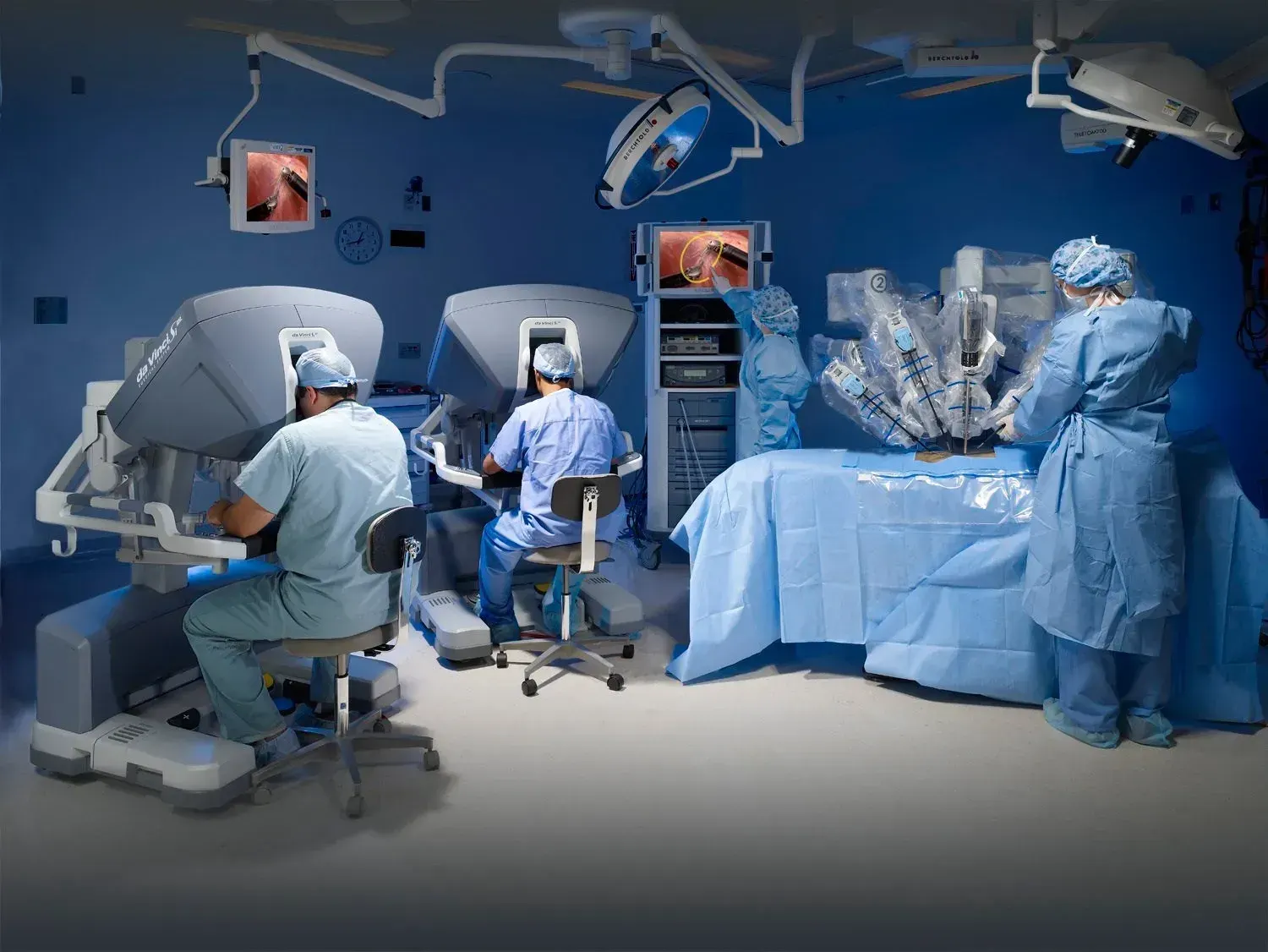 Featured treatment Robotic Bariatric Surgery Console-guided precision, enhanced 3D vision and fine surgical control from a board-certified bariatric surgeon.
 Frequently Asked Questions About Gastric Sleeve Surgery
Your Questions Answered
How much does gastric sleeve surgery cost in Suwanee?
Gastric sleeve cost is discussed during your consultation because it depends on your health profile and the services included. Bodiatrics offers self-pay packages that bundle the surgeon, anesthesia, operating room, and follow-up into a clear price. Financing through Cherry and CareCredit is available, and our team helps verify insurance when coverage applies.
How long does weight loss from gastric sleeve surgery last?
Gastric sleeve results are designed to be durable because the anatomy change is permanent. Most patients lose the majority of excess weight over 12 to 18 months and maintain it long term when they follow nutrition guidance and attend follow-ups. To estimate your own timeline, try our gastric sleeve weight loss calculator at /blogs/gastric-sleeve-weight-loss-calculator/.
Does gastric sleeve surgery hurt?
Pain after gastric sleeve surgery is usually moderate and well controlled with medication. You may feel abdominal discomfort for the first few days, but most patients reduce pain medication within a week. Because the procedure is minimally invasive with small incisions, recovery tends to be faster and more comfortable than open surgery.
When will I see results after gastric sleeve surgery?
Most patients notice steady weight loss within the first few weeks, with the most visible changes over the first 6 to 12 months. Weight loss continues more gradually through about 18 months. Your pace depends on your starting point, overall health, and how closely you follow the staged nutrition plan and activity guidance.
How often will I need follow-up visits?
Follow-up visits are frequent early and then spaced out over time. You will typically see the team within the first weeks, then at regular intervals through the first year and annually after that. These visits monitor weight loss, nutrition, and overall health, and they are one of the most important factors in protecting your long-term results.
What is the difference between gastric sleeve and gastric bypass?
Gastric sleeve removes most of the stomach but leaves digestion intact, while gastric bypass creates a small pouch and reroutes the intestine to reduce absorption. Sleeve recovery is usually faster with a lower risk of nutrient deficiencies. Bypass may be recommended for severe obesity or significant reflux. Explore /bariatric-surgery/gastric-bypass/ to compare.
Can men get gastric sleeve surgery?
Yes, gastric sleeve surgery benefits both men and women significantly. Men often wait longer to seek care, sometimes until health problems are advanced, so earlier evaluation is valuable. Candidacy is based on BMI, related health conditions, and overall surgical risk rather than gender, and Dr. Johnson tailors each plan to the individual.
Is gastric sleeve surgery safe?
Gastric sleeve surgery has a strong safety profile when performed at experienced centers with proper screening. Serious complications are uncommon, and the minimally invasive approach lowers risk further. Dr. Johnson brings more than 20 years of bariatric experience and screens each patient carefully to keep surgery safe and appropriate.
Do I have to be morbidly obese to qualify?
Not necessarily. Many patients qualify with a BMI of 35 or higher combined with obesity-related conditions such as type 2 diabetes, high blood pressure, or sleep apnea. A BMI of 40 or higher may qualify on its own. Candidacy is determined by data and physiology during a thorough consultation, not by a single number.
How soon can I return to work and exercise?
Most patients with desk jobs return to work in one to two weeks, while physically demanding roles may need four to six weeks. Light walking is encouraged immediately to aid recovery, and more intense exercise, including strength training, usually resumes around six weeks with Dr. Johnson's approval.
Schedule Your Gastric Sleeve Surgery Consultation
References
- Schauer et al., New England Journal of Medicine. (2017). In the STAMPEDE trial, bariatric surgery plus medical therapy was more effective than medical therapy alone for glycemic control in type 2 diabetes at 5 years. PMID: 28199805.
- Salminen et al., JAMA. (2018). The SLEEVEPASS randomized trial found sleeve gastrectomy and gastric bypass produced similar weight loss at 5 years. PMID: 29340676.
- Peterli et al., JAMA. (2018). The SM-BOSS randomized trial reported comparable 5-year weight loss between sleeve gastrectomy and Roux-en-Y gastric bypass. PMID: 29340679.
- Chang et al., JAMA Surgery. (2014). A systematic review and meta-analysis found bariatric surgery is effective with low perioperative mortality. PMID: 24352617.
- American Society for Metabolic and Bariatric Surgery. (2024). Clinical overview of sleeve gastrectomy as a primary bariatric procedure.