
Joint Pain and Weight: Relieve Osteoarthritis Through Weight Loss in Suwanee, GA
When knees, hips and lower-back joints ache with every step, excess body weight is often the hidden driver. Medically guided weight loss can ease the load and help you move more comfortably.
- Common In
- Adults carrying excess weight
- Primary Causes
- Extra load and inflammation on joints
- Treatment Time
- Gradual, over weeks to months
- Results
- Less pressure, easier movement



Weight Loss and Joint Pain: Why the Two Are Connected
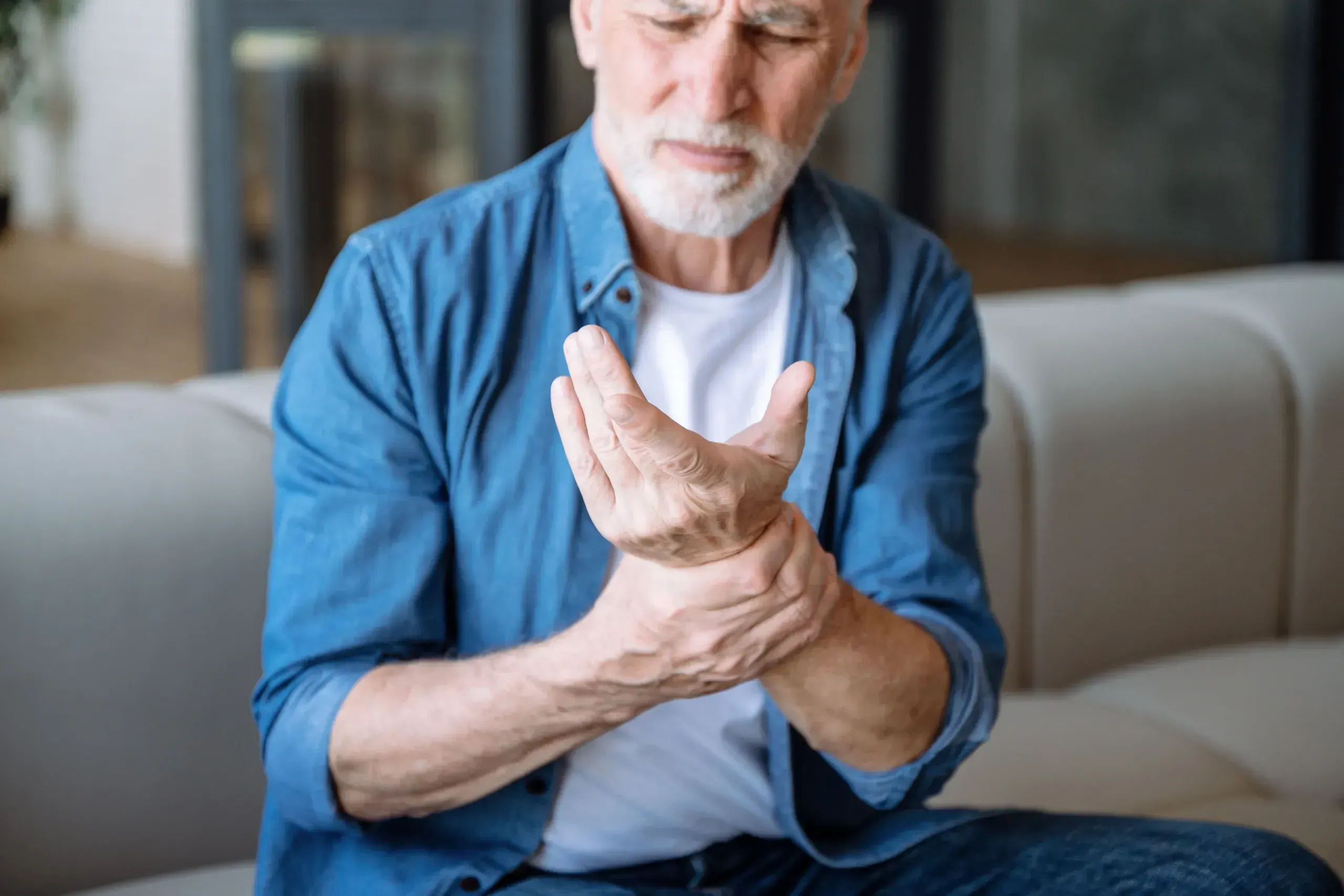
Joint pain and weight loss treatment in Suwanee, GA at Bodiatrics eases the load on aching knees, hips and lower back joints by addressing the excess weight behind it. Every extra pound you carry adds several pounds of force across weight-bearing joints with each step, which accelerates the wear and inflammation behind osteoarthritis. We treat patients from Johns Creek, Alpharetta, Duluth, Cumming and across Metro Atlanta.
At Bodiatrics, board-certified surgeon Dr. Will Johnson, MD, FACS, approaches aching joints from the weight-and-metabolism angle. Rather than treating the joint directly, a physician-supervised medical weight loss program focuses on reducing the mechanical load and low-grade inflammation that make joint pain worse, so daily movement feels easier over time.
How Excess Weight Contributes to Joint Pain and Osteoarthritis
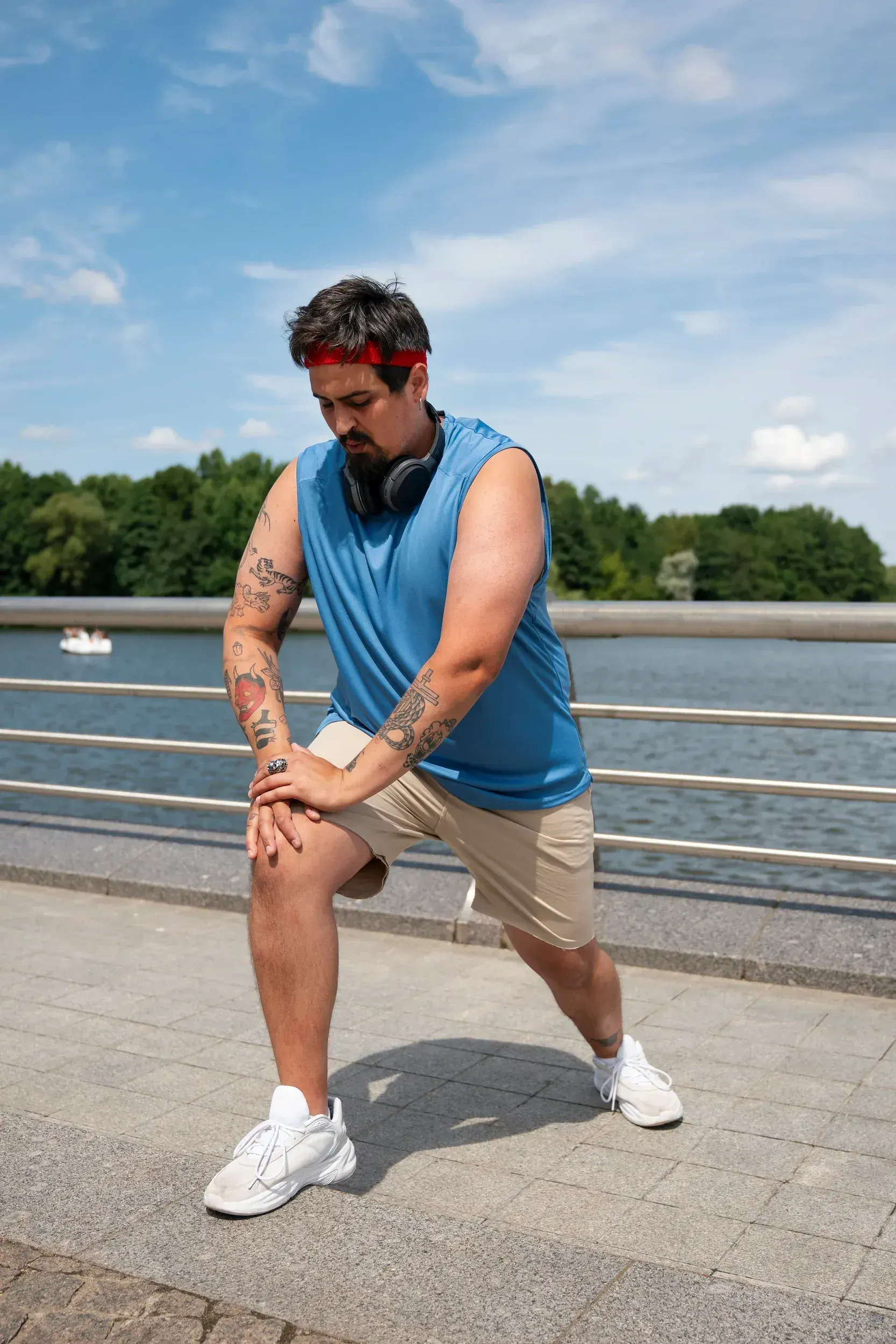
Joints such as the knees, hips and lower spine are designed to carry your body weight, but they have limits. When body weight climbs, the cartilage that cushions these joints breaks down faster, and the surrounding tissues stay in a state of chronic irritation. Studies show that even modest weight reduction can meaningfully lower the force placed on the knees with everyday activity.
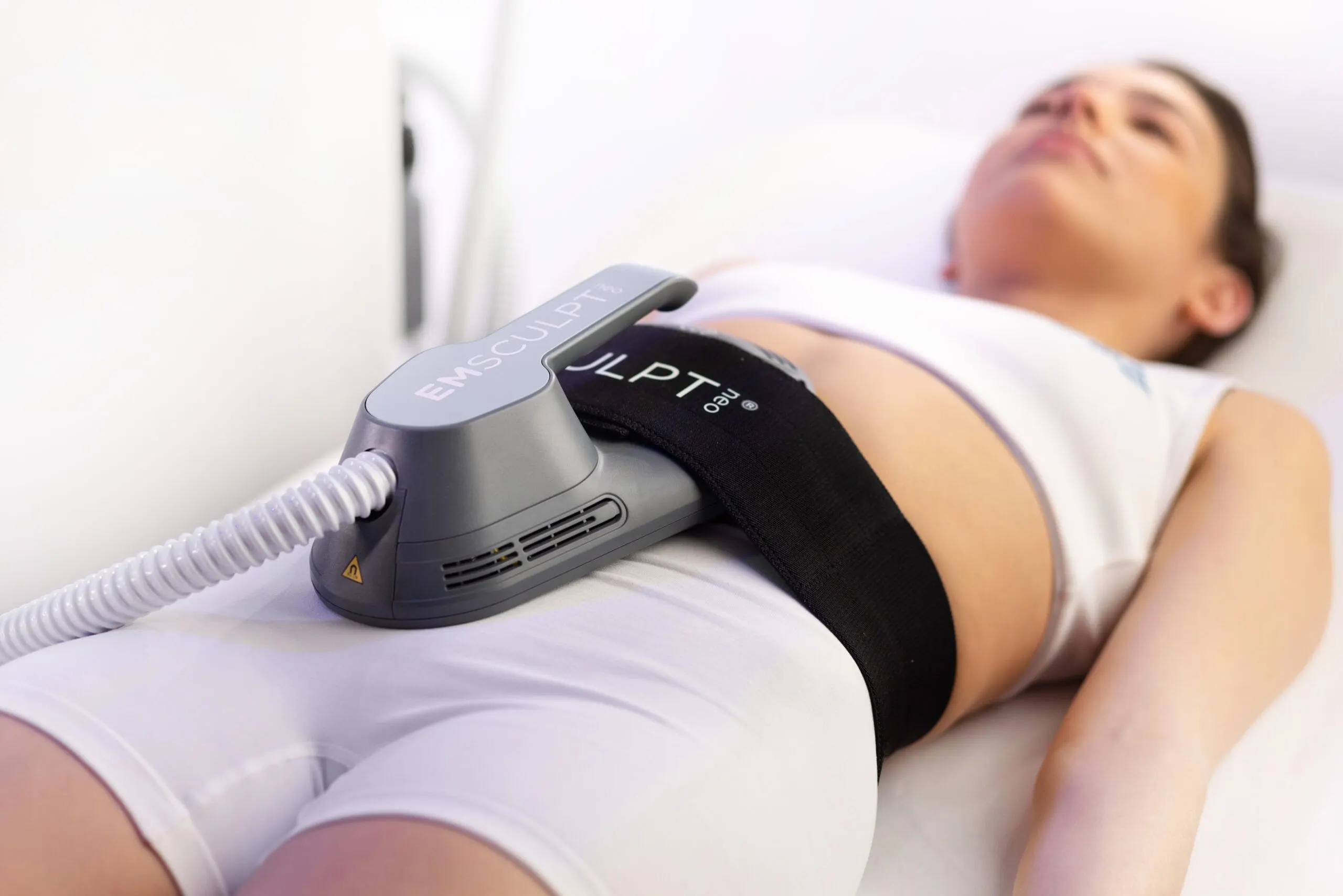
Body fat is not simply passive padding. It releases inflammatory signals that can worsen joint pain throughout the body, which is why osteoarthritis often affects more than one joint in people carrying excess weight. This is where a whole-person plan matters. Options such as Emsculpt Neo muscle-strengthening treatment can help rebuild the muscle that supports and stabilizes achy joints, while sustained weight loss addresses the underlying load.
What Contributes to Weight-Related Joint Pain
Several overlapping factors explain why excess weight and joint pain so often travel together.
-
Increased Joint Load
Extra body weight multiplies the force on knees and hips with every step and stair.
-
Chronic Inflammation
Body fat releases inflammatory signals that irritate cartilage and worsen joint pain.
-
Cartilage Breakdown
Sustained pressure wears down the cushioning cartilage that protects joint surfaces.
-
Muscle Weakness
Weak supporting muscles leave joints less stable and more prone to pain.
-
Reduced Activity
Painful joints discourage movement, which can drive further weight gain and stiffness.
The Risks of Leaving Weight-Related Joint Pain Untreated
Left unaddressed, weight-related joint pain tends to feed a difficult cycle. Painful joints make movement uncomfortable, activity drops, and reduced activity often leads to further weight gain, which places even more stress on the joints. Over time this can limit mobility, disrupt sleep and lower overall quality of life.
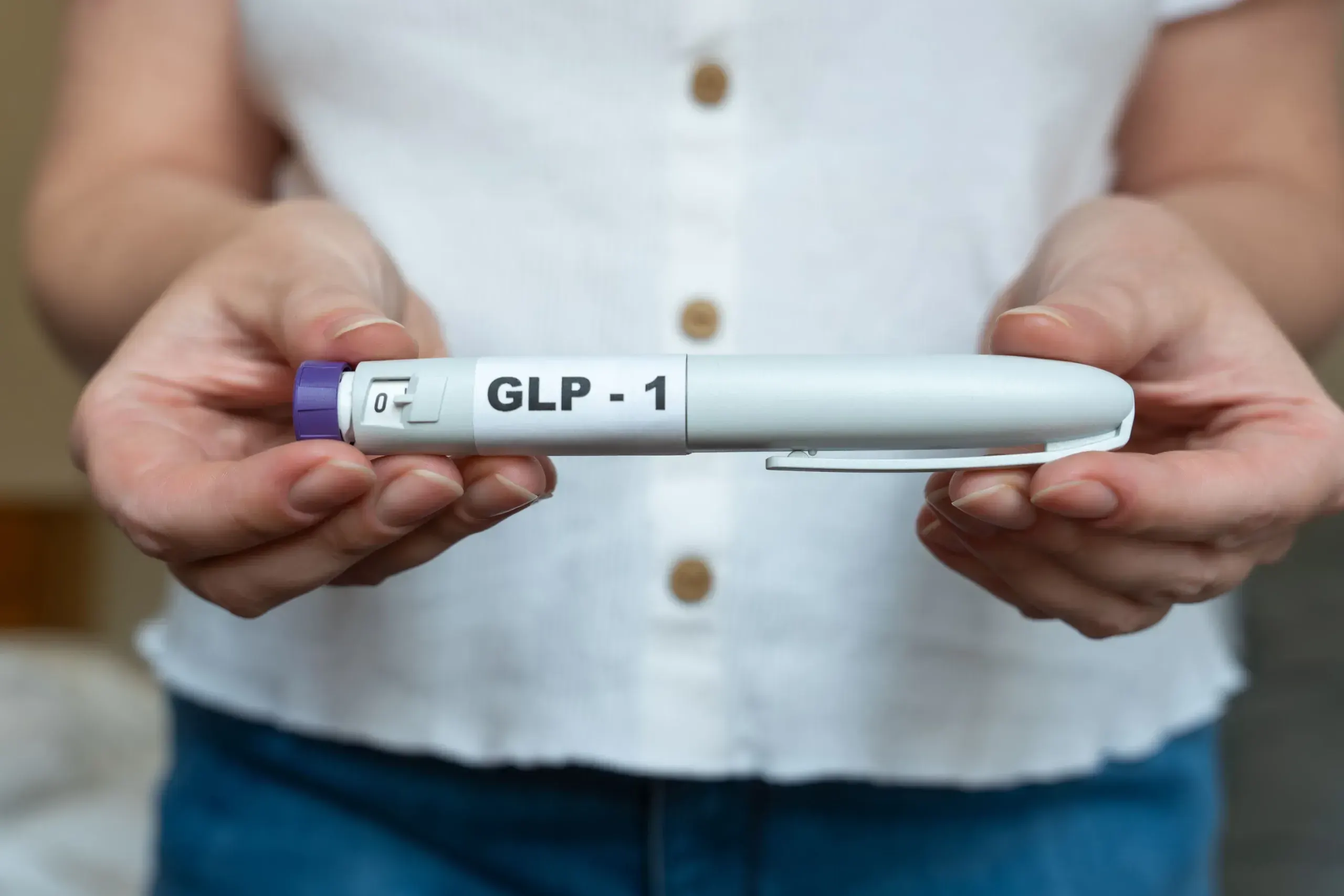
The encouraging news is that this cycle can be interrupted. For many patients, a supervised semaglutide GLP-1 weight loss plan makes meaningful weight reduction achievable, easing the daily burden on the joints. For those with a higher body mass index, bariatric surgery can produce substantial, lasting weight loss that dramatically reduces joint load. Dr. Johnson helps each patient understand which path fits their health, goals and body.
Why Choose Bodiatrics for Weight-Related Joint Pain in Suwanee
-
Physician-Led Care
Every plan is guided by a board-certified surgeon, not a one-size-fits-all program.
-
Root-Cause Focus
We target the excess weight and inflammation driving your joint pain.
-
Whole-Person Plans
Weight loss, muscle strengthening and testing combine to support your joints.
-
Data-Driven Progress
Objective testing tracks how weight change eases the load on your body.
Weight-Focused Options That Ease Joint Pressure
Comparing medically supervised paths that reduce the body weight and support the muscle behind aching joints.
| Treatment | How It Works | Best For | Downtime | Results Timeline |
|---|---|---|---|---|
| Semaglutide (GLP-1) Weight Loss | Weekly medication curbs appetite for steady, medically supervised weight loss that lowers joint load. | Adults wanting non-surgical weight reduction | None | Gradual over several months |
| Emsculpt Neo | Builds and strengthens muscle to better support and stabilize joints around the knees and hips. | Those strengthening muscle around achy joints | None | Weeks after a treatment series |
| Gastric Sleeve Surgery | Reduces stomach size for major, lasting weight loss that dramatically reduces joint pressure. | Higher-BMI patients needing substantial loss | About 1 to 2 weeks | Progressive over 12 to 18 months |

Signs Your Joint Pain May Be Weight-Related
- Aching Weight-Bearing Joints
- Stiffness After Rest
- Pain With Extra Weight
- Swelling or Warmth
- Reduced Mobility
Services That Treat This
How we help, matched to your needs.
Weight Loss and Joint Pain: Frequently Asked Questions
Can losing weight actually reduce my joint pain?
Yes. Because each pound of body weight places several pounds of force across the knees with every step, losing weight meaningfully lowers the load on painful joints. Many patients notice easier movement and less discomfort as the pressure and inflammation on their joints decrease. A supervised weight loss plan makes those results more achievable and lasting.
Why does excess weight cause osteoarthritis?
Excess weight contributes to osteoarthritis in two ways. First, extra load speeds the breakdown of the cartilage that cushions joints. Second, body fat releases inflammatory signals that irritate joint tissue throughout the body. Together these accelerate wear and pain, which is why osteoarthritis is more common and often more severe in people carrying extra weight.
How much weight do I need to lose to feel a difference?
Even modest weight loss can ease joint pressure, since a small reduction in body weight translates into a much larger reduction in force on the knees. Many patients feel improvement well before reaching a goal weight. Dr. Johnson sets a realistic, individualized target based on your joints, health and overall goals.
Which weight loss option is best for my joint pain?
It depends on your body and health. Non-surgical options like a physician-supervised semaglutide program suit many patients, while those with a higher body mass index may benefit more from bariatric surgery. Muscle-strengthening therapy can add joint support. Dr. Johnson reviews your history and testing to recommend the right combination for you.
When should I see a doctor about joint pain?
See a doctor if joint pain is persistent, worsening, or limiting your daily activities and sleep. Pain that keeps you from moving comfortably deserves evaluation. At Bodiatrics we assess how your weight and metabolic health contribute to the problem and build a plan to reduce the load. For sudden severe pain, swelling or injury, seek prompt medical care.
Will building muscle help my aching joints?
Strengthening the muscles around a joint can improve stability and reduce strain on the joint itself. Emsculpt Neo builds and tones muscle in areas like the abdomen and thighs, which helps support the core and lower body. Combined with weight loss, stronger supporting muscle can make everyday movement feel more comfortable.
Does Bodiatrics treat the joint itself?
No. Bodiatrics focuses on the weight and metabolic factors that drive joint pain rather than on orthopedic joint procedures. Our role is to reduce the excess weight and inflammation loading your joints through medically supervised weight loss, muscle strengthening and testing, which for many patients meaningfully eases their discomfort.
Schedule Your Consultation
Clinical References
- Wilding et al., N Engl J Med. (2021). Once-weekly semaglutide 2.4 mg produced about 15 percent mean body-weight reduction, easing load on weight-bearing joints. PMID: 33567185.
- Kent et al., J Cosmet Dermatol. (2023). High-intensity focused electromagnetic therapy synchronized with radiofrequency increased muscle and reduced fat, supporting joint stability. PMID: 37154787.
- National Institute of Arthritis and Musculoskeletal and Skin Diseases (NIAMS). Osteoarthritis: causes and risk factors, including excess weight. niams.nih.gov.
- Centers for Disease Control and Prevention (CDC). Osteoarthritis and the role of maintaining a healthy weight. cdc.gov.
- National Institute of Diabetes and Digestive and Kidney Diseases (NIDDK). Health risks of overweight and obesity, including joint problems. niddk.nih.gov.