
High Cholesterol and Weight: Improve Your Numbers Through Weight Loss in Suwanee, GA
High cholesterol rarely causes symptoms, yet it quietly raises your risk of heart attack and stroke. For many adults, losing weight is one of the most effective ways to move their lipid numbers in the right direction.
- Common In
- Adults 40+ carrying excess weight
- Primary Causes
- Excess weight, diet, genetics, inactivity
- Treatment Time
- Improvements often within 3-6 months
- Results
- Lower LDL and triglycerides, higher HDL




Does Losing Weight Lower Cholesterol?
High cholesterol treatment in Suwanee, GA at Bodiatrics uses medically supervised weight loss to move your lipid numbers in the right direction, and we see it happen regularly. High cholesterol means your blood carries too much LDL (the harmful, artery-clogging type) or triglycerides, often alongside too little protective HDL, and excess body weight, especially fat around the abdomen, is one of the strongest drivers of this imbalance. We treat patients from Johns Creek, Alpharetta, Duluth, Cumming and across Metro Atlanta.
A physician-led look at the link between weight and your lipid panel
The encouraging part is that your lipid panel responds to change. Even modest, sustained weight loss can lower triglycerides, nudge LDL down and raise HDL. Under the supervision of Dr. Will Johnson, MD, FACS, a board-certified bariatric surgeon, our medically supervised weight loss programs pair proven treatment with regular lab testing so you can watch your numbers improve, not just guess at them.

How Weight Drives High Cholesterol
The metabolic connection between body fat and your lipids
Cholesterol is not just about the food on your plate. When you carry excess weight, your body tends to overproduce LDL and triglycerides while clearing them from the bloodstream less efficiently. Abdominal fat is especially active, releasing free fatty acids and inflammatory signals that push the liver to make more of the harmful particles and less of the protective HDL.
This is why weight and cholesterol so often travel together, and why treating one frequently improves the other. Insulin resistance, common with excess weight, worsens the picture by raising triglycerides further. A structured plan that combines supervised weight management with periodic comprehensive bloodwork lets us target the metabolic root cause rather than only the number on the report.
What Causes High Cholesterol
High cholesterol usually results from a mix of factors, several of which are closely tied to weight and lifestyle and can be improved with the right plan.
-
Excess Body Weight
Extra fat, especially around the abdomen, pushes the liver to make more LDL and triglycerides.
-
Diet High in Saturated and Trans Fats
Fried foods, processed snacks and fatty meats raise LDL cholesterol levels.
-
Physical Inactivity
Too little movement lowers protective HDL and allows triglycerides to climb.
-
Genetics and Family History
Inherited patterns can keep cholesterol high even at a healthy weight.
-
Insulin Resistance
Common with excess weight, it drives triglycerides up and HDL down.
-
Age and Other Conditions
Cholesterol tends to rise with age and with thyroid or kidney issues.
Why You Should Not Ignore High Cholesterol
Left unmanaged, high cholesterol quietly raises cardiovascular risk
High cholesterol usually produces no symptoms, which is exactly what makes it dangerous. Over years, excess LDL builds up as plaque inside artery walls, narrowing the vessels that feed your heart and brain. That process raises the risk of heart attack and stroke long before anything feels wrong, so testing is the only reliable way to know where you stand.
The good news is that weight loss addresses several risk factors at once. As the pounds come off through a supervised weight loss program, most patients see triglycerides fall and HDL rise, and blood pressure and blood sugar often improve alongside. For patients who qualify, bariatric surgery can produce even larger, more durable improvements in the lipid panel. We track every change with repeat lab panels so your plan is guided by data, not guesswork.
Managing High Cholesterol Through Weight Loss in Suwanee
Physician-led care that treats the cause, not just the number
-
Physician-Supervised Care
A board-certified surgeon oversees every plan and monitors your cardiovascular risk.
-
Data-Driven Monitoring
Repeat lab panels track LDL, HDL and triglycerides so we adjust with confidence.
-
Root-Cause Focus
We treat the excess weight and insulin resistance behind your numbers.
-
Whole-Person Approach
Nutrition, medication and lifestyle work together for lasting lipid improvement.
Weight-Focused Options That Support Healthier Cholesterol
Compare the supervised, weight-focused options that most often improve a lipid panel, matched to your goals.
| Treatment | How It Works | Best For | Downtime | Results Timeline |
|---|---|---|---|---|
| Semaglutide (GLP-1) Weight Loss | Weekly GLP-1 medication curbs appetite and drives steady weight loss that lowers triglycerides. | Adults needing meaningful weight loss to improve lipids | None | Lipid gains often seen within 3-6 months |
| Comprehensive Bloodwork and Lab Panels | Detailed testing measures LDL, HDL and triglycerides to guide and confirm your plan. | Anyone wanting to know and track their true cardiovascular risk | None | Same-visit draw, results in days |
| Dietitian and Nutritionist Services | One-on-one nutrition coaching reshapes eating patterns to lower LDL and support weight loss. | Patients wanting sustainable, food-first lipid improvement | None | Gradual improvement over weeks to months |

Signs You May Have High Cholesterol
- No Obvious Symptoms
- Excess Weight or Large Waistline
- Family History of Heart Disease
- Related Metabolic Conditions
- Prior Borderline or High Result
Services That Treat This
How we help, matched to your needs.
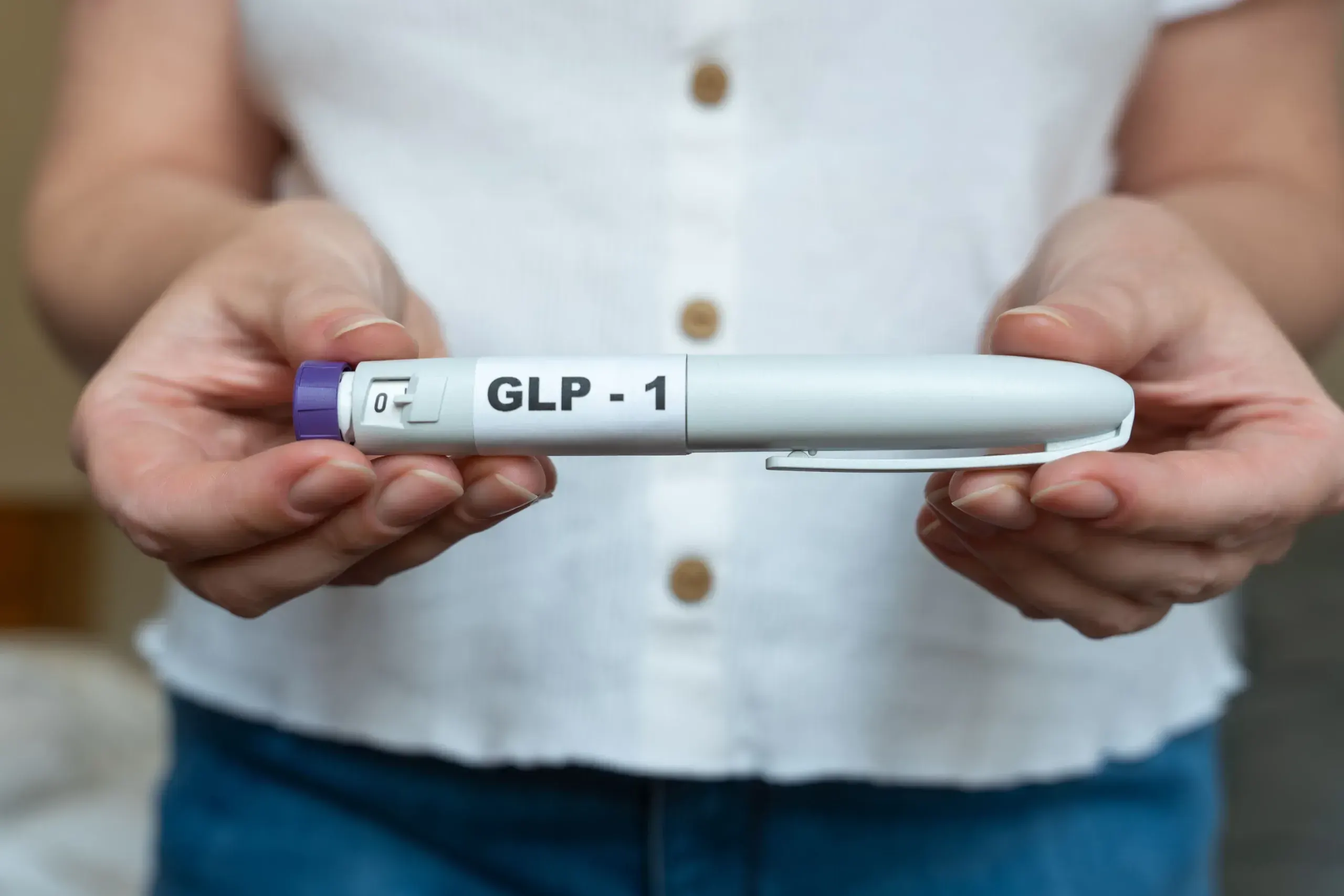 Featured treatment Semaglutide (GLP-1) Weight Loss Physician-supervised, once-weekly GLP-1 injections that curb appetite and support steady, lasting weight loss.
  Featured treatment Dietitian and Nutritionist Services Personalized nutrition counseling with a registered dietitian, built around your body, your goals, and your real daily routine.
 High Cholesterol and Weight Loss FAQs
Does losing weight actually lower cholesterol?
Yes, for most people losing weight improves the lipid panel. Even a modest, sustained reduction in body weight tends to lower triglycerides, bring LDL down and raise protective HDL. The effect is strongest when weight loss is combined with better nutrition and regular activity, which is why a supervised program often produces the most reliable results.
How much weight do I need to lose to see a difference?
Many people see measurable lipid improvements after losing roughly 5 to 10 percent of their body weight. Triglycerides often respond first and most dramatically. Because everyone's biology differs, we recommend tracking your numbers with repeat bloodwork so we can see exactly how your body is responding and adjust your plan accordingly.
Will weight loss let me stop taking cholesterol medication?
Sometimes, but that decision belongs to your physician. Weight loss can improve your numbers enough to reduce or discontinue medication for some patients, especially when genetics are not the main driver. Never stop a prescribed statin on your own. We coordinate any changes with your provider based on repeat lab results and your overall cardiovascular risk.
Can I have high cholesterol even at a healthy weight?
Yes. Genetics, diet, thyroid conditions and other factors can raise cholesterol regardless of weight. This is why testing matters for everyone. Comprehensive bloodwork identifies whether weight, lifestyle or inherited factors are driving your numbers, so your treatment plan targets the real cause rather than assumptions.
How does high cholesterol affect my heart if I feel fine?
High cholesterol rarely causes symptoms, yet it silently builds plaque inside your arteries for years. That narrowing raises the risk of heart attack and stroke long before you feel anything. Because you cannot feel it, periodic lab testing is the only dependable way to catch and manage the problem early.
When should I see a doctor about my cholesterol?
See a physician if your cholesterol has been flagged as high, if you have a family history of heart disease, or if you carry excess weight. A consultation lets us run a full lipid panel, assess your overall risk and build a weight-focused plan. Early, proactive care is far more effective than waiting for a cardiac event.
What does a cholesterol blood test measure?
A standard lipid panel measures total cholesterol, LDL (the harmful type), HDL (the protective type) and triglycerides. Our comprehensive bloodwork can add related metabolic markers to give a fuller picture of your cardiovascular and metabolic health. These results become the baseline we use to guide and track your weight loss plan.
Schedule Your Consultation
Clinical References
- Wilding et al., N Engl J Med. (2021). Once-weekly semaglutide 2.4 mg produced about 15 percent mean body-weight reduction, an amount associated with improved lipid profiles. PMID: 33567185.
- Lincoff et al., N Engl J Med. (2023). SELECT trial: semaglutide reduced major cardiovascular events in adults with obesity and established cardiovascular disease. PMID: 37952131.
- National Heart, Lung, and Blood Institute. (n.d.). Blood Cholesterol: causes, LDL and HDL, and how it raises cardiovascular risk. nhlbi.nih.gov.
- Centers for Disease Control and Prevention. (n.d.). About Cholesterol: prevention and the role of weight and lifestyle. cdc.gov.
- National Institute of Diabetes and Digestive and Kidney Diseases. (n.d.). Weight loss and its effect on metabolic and cardiovascular health. niddk.nih.gov.