
Type 2 Diabetes and Weight Loss in Suwanee, GA: A Real Path Toward Remission
For many adults, significant, sustained weight loss can lower blood sugar and, in the right cases, push type 2 diabetes into remission.
- Common In
- Adults with excess weight, family history
- Primary Causes
- Insulin resistance, excess body fat
- Treatment Time
- Remission often within weeks to months
- Results
- Lower blood sugar, possible full remission




How Weight Loss Can Reverse Type 2 Diabetes
Type 2 diabetes and weight loss treatment in Suwanee, GA at Bodiatrics helps adults use significant, sustained weight loss to lower blood sugar and, in the right cases, push type 2 diabetes into remission. Type 2 diabetes develops when your body no longer responds well to insulin, the hormone that moves sugar out of your blood and into your cells for energy, and excess body fat, especially around the abdomen and liver, is one of the strongest drivers of this insulin resistance. We treat patients from Johns Creek, Alpharetta, Duluth, Cumming and across Metro Atlanta.
The link between excess weight and blood sugar control
The encouraging part is that this process is often reversible. When you lose a meaningful amount of weight, your cells frequently become more sensitive to insulin again, your liver clears stored fat, and your blood sugar can return toward normal ranges. For a subset of patients, blood sugar improves so much that they meet the definition of remission and reduce or stop diabetes medications under physician supervision. That is the outcome we help you work toward, safely and with close monitoring.
What Drives Type 2 Diabetes
The role of weight and insulin resistance
Type 2 diabetes is closely tied to how your body stores and uses fat. As excess fat accumulates in the liver, muscles and around the organs, cells stop responding normally to insulin. Your pancreas compensates by producing more insulin, but over time it cannot keep up, and blood sugar climbs. This is why body weight, waist size and metabolic health matter so much for prevention and reversal.
Because weight is central to this cycle, medical and surgical weight loss programs designed for diabetes can interrupt it. Losing fat, particularly visceral and liver fat, restores insulin sensitivity and often lowers blood sugar quickly. Understanding your starting point also matters, which is why a comprehensive bloodwork and lab panel helps us map your A1c, fasting glucose and metabolic markers before we build a plan.
What Contributes to Type 2 Diabetes
The factors that raise your risk
Type 2 diabetes usually results from a combination of factors that build up over years. Several of the most important ones are directly related to weight and are therefore modifiable.
-
Excess Body Fat
Abdominal and liver fat drive insulin resistance, the core problem in type 2 diabetes.
-
Insulin Resistance
Cells stop responding to insulin, forcing blood sugar to stay elevated.
-
Physical Inactivity
Low activity reduces how efficiently muscles use glucose from the blood.
-
Diet Patterns
Frequent high-sugar and refined-carb intake strains blood sugar control.
-
Family History
Genetics can raise your baseline risk, especially alongside excess weight.
-
Age and Hormones
Risk climbs with age and hormonal shifts that affect fat storage.
The Cost of Leaving Type 2 Diabetes Untreated
How acting early protects your long-term health
Left unmanaged, high blood sugar quietly damages blood vessels and nerves throughout the body, raising the risk of heart disease, kidney damage, vision loss and nerve pain. The good news is that meaningful weight loss addresses the root cause rather than only the symptoms, which is why it can change the trajectory of the disease rather than simply masking it.
At Bodiatrics, we match the intensity of treatment to your needs. Some patients reach their goals with a structured medical weight loss program that combines nutrition, coaching and GLP-1 medications. Others, especially those with more advanced diabetes and higher body weight, achieve the strongest and most durable results with gastric bypass surgery, which has some of the highest published rates of diabetes remission. Regular testing tracks your progress so we can adjust the plan as your numbers improve.
Why Choose Bodiatrics for Type 2 Diabetes in Suwanee
Physician-led, remission-focused care
-
Physician-Led Care
A board-certified surgeon oversees your plan, not a one-size-fits-all program.
-
Root-Cause Focus
We target the weight and insulin resistance that drive diabetes, not just symptoms.
-
Full Treatment Range
From GLP-1 medications to bariatric surgery, matched to your severity.
-
Data-Driven Monitoring
Regular bloodwork tracks A1c and glucose so we adjust as you improve.
Treatment Options for Diabetes-Related Weight Loss
Compare how our weight-focused options work, who they suit best, and how quickly they can improve blood sugar control.
| Treatment | How It Works | Best For | Downtime | Results Timeline |
|---|---|---|---|---|
| Gastric Bypass Surgery | Reroutes digestion to reduce intake and change gut hormones that regulate blood sugar | Higher BMI or advanced type 2 diabetes seeking the strongest remission odds | Around 2 to 4 weeks | Blood sugar often improves within days to weeks |
| Semaglutide (GLP-1) Weight Loss | Weekly medication that curbs appetite and improves how the body handles glucose | Patients wanting a nonsurgical, medication-based path to weight loss | None | Gradual weight loss and glucose improvement over months |
| Comprehensive Bloodwork and Lab Panels | Measures A1c, fasting glucose and metabolic markers to guide and track treatment | Anyone starting or monitoring a diabetes-focused weight loss plan | None | Baseline results same visit, trends tracked over time |
Signs You May Have Type 2 Diabetes
Symptoms worth evaluating
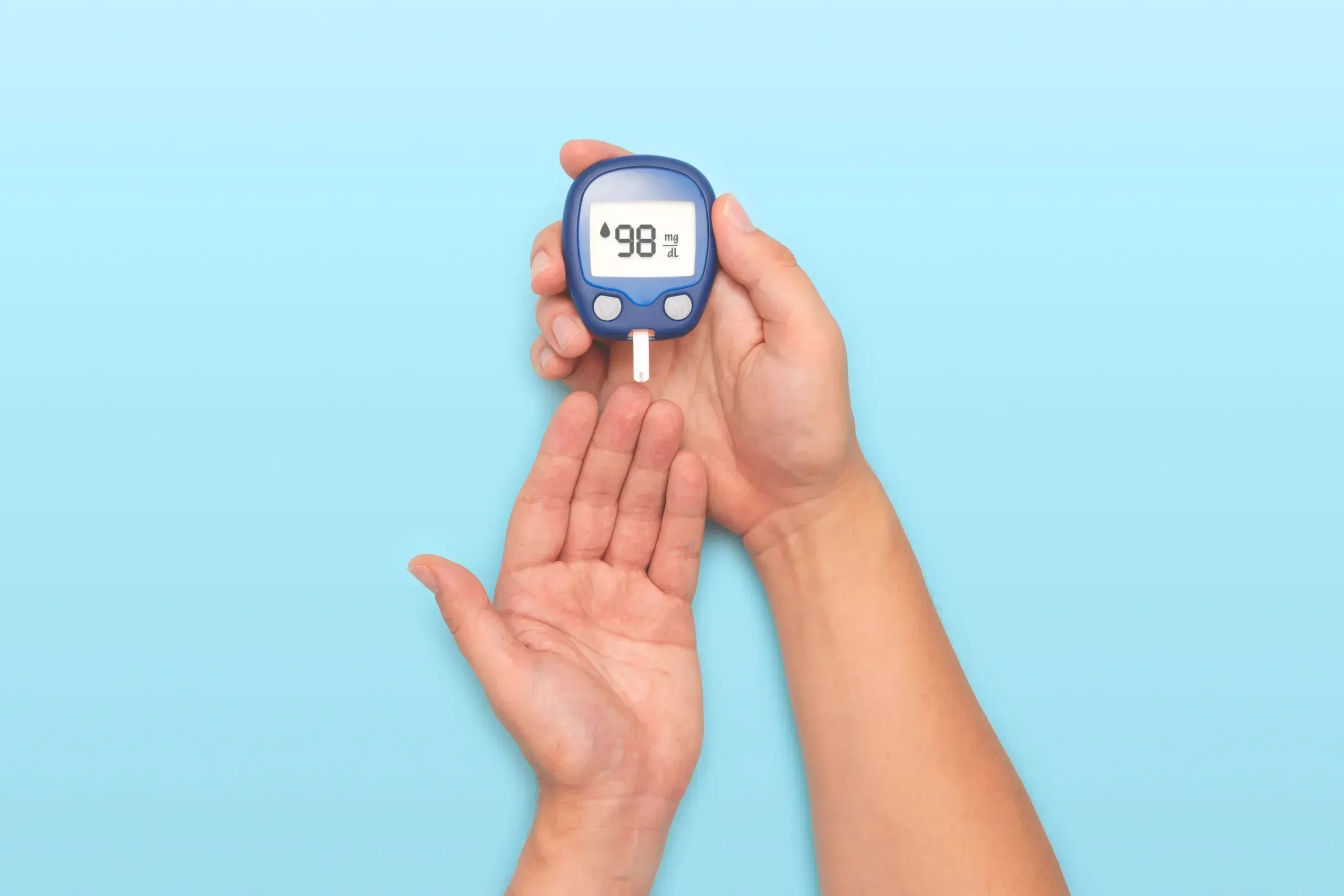
Type 2 diabetes can develop quietly, so many people have it before symptoms appear. Watch for these common signs and consider getting your blood sugar checked.- Increased Thirst and Urination
- Persistent Fatigue
- Blurred Vision
- Slow-Healing Wounds
- Unexplained Weight Changes
- Tingling or Numbness
Services That Treat This
How we help, matched to your needs.
 Featured treatment Gastric Bypass Surgery Roux-en-Y gastric bypass reshapes the digestive tract to drive significant, durable weight loss and metabolic improvement.
 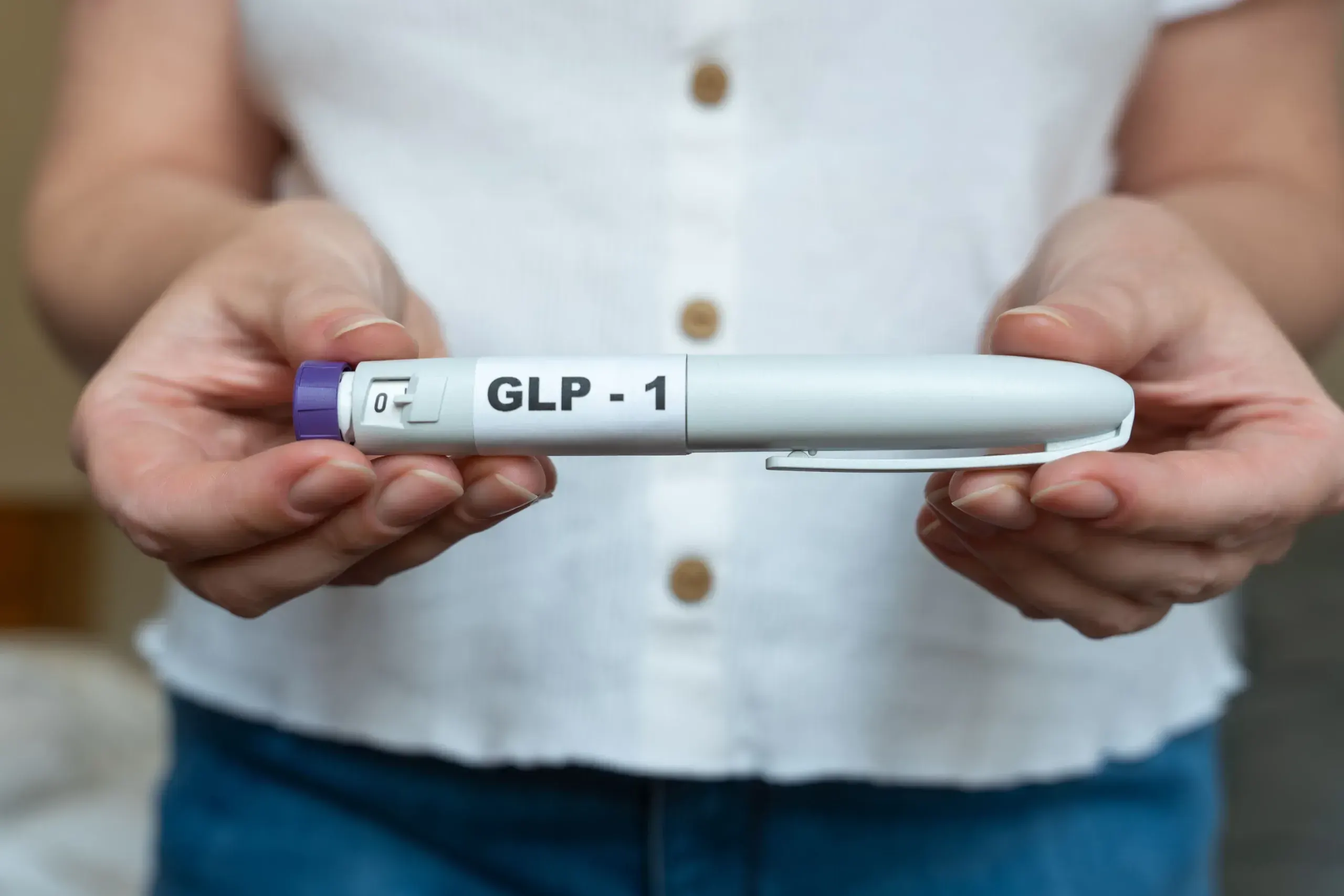 Featured treatment Semaglutide (GLP-1) Weight Loss Physician-supervised, once-weekly GLP-1 injections that curb appetite and support steady, lasting weight loss.
 Type 2 Diabetes and Weight Loss FAQs
Answers about remission and treatment
Can you really reverse type 2 diabetes with weight loss?
Yes, meaningful weight loss can reverse type 2 diabetes for many patients. Losing excess fat, especially from the liver and abdomen, restores insulin sensitivity and lowers blood sugar. Some patients achieve remission, meaning normal blood sugar without diabetes medication, though results depend on how long you have had diabetes and how much weight you lose.
Does bariatric surgery help with diabetes?
Yes, bariatric surgery has some of the highest published rates of diabetes remission. Procedures like gastric bypass reduce food intake and change gut hormones that regulate blood sugar, so many patients see improvement within days. In the STAMPEDE trial, surgery plus medical therapy outperformed medical therapy alone for glycemic control over five years.
How much weight do I need to lose to improve blood sugar?
Many patients see blood sugar improve after losing 5 to 10 percent of their body weight, and larger losses often produce stronger results. There is no single threshold that fits everyone. During your consultation we review your labs and set a realistic target designed to move your A1c toward a healthier range.
What is diabetes remission?
Diabetes remission means your blood sugar returns to a normal or near-normal range without needing diabetes medication. It is confirmed with lab testing over time, not a single reading. Remission is not the same as a cure, so ongoing weight management and periodic bloodwork remain important to keep your numbers stable.
Do GLP-1 medications like semaglutide help?
Yes, GLP-1 medications such as semaglutide support weight loss and improve how the body handles glucose. They reduce appetite and help many patients lose a meaningful percentage of body weight, which in turn lowers blood sugar. We prescribe them within a supervised medical weight loss program and monitor your response with regular labs.
When should I see a doctor about my blood sugar?
See a doctor if you have frequent thirst, urination, fatigue, blurred vision or unexplained weight changes, or if you have risk factors like excess weight and family history. Early evaluation matters. A comprehensive lab panel can detect prediabetes or diabetes before complications develop, giving weight loss the best chance to reverse the trend.
What testing do you use to track diabetes?
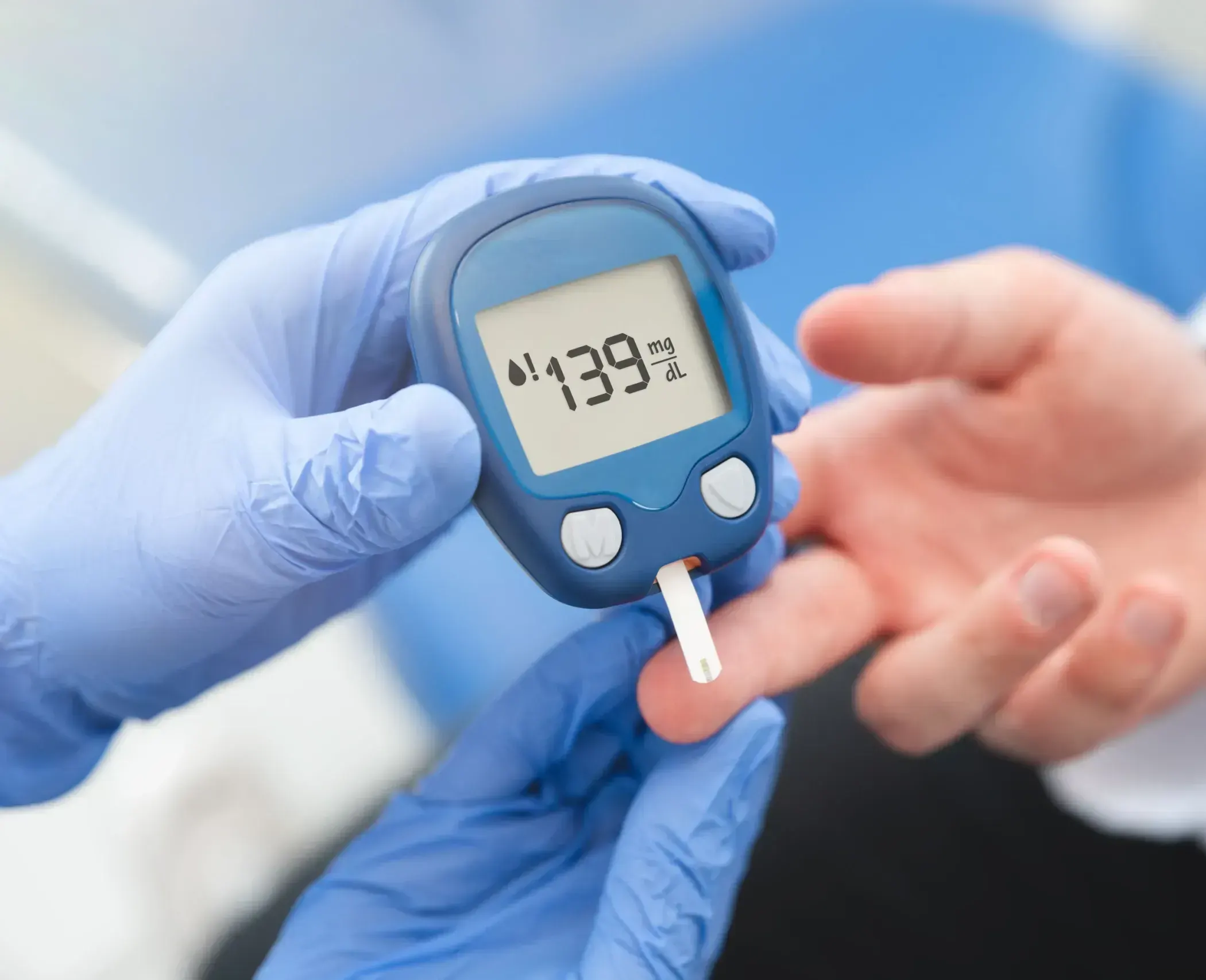
We use comprehensive bloodwork that measures A1c, fasting glucose and related metabolic markers. A1c reflects your average blood sugar over roughly three months, so it shows whether your weight loss plan is working. We repeat testing at intervals to confirm improvements and adjust your treatment as your numbers change.
Schedule Your Consultation
Clinical References
- Schauer et al., N Engl J Med. (2017). STAMPEDE 5-year results: bariatric surgery plus medical therapy achieved better glycemic control in type 2 diabetes than medical therapy alone. PMID: 28199805.
- Wilding et al., N Engl J Med. (2021). STEP 1 trial: once-weekly semaglutide 2.4 mg produced about 15 percent mean body-weight reduction in adults with overweight or obesity. PMID: 33567185.
- Lincoff et al., N Engl J Med. (2023). SELECT trial: semaglutide reduced major cardiovascular events in adults with obesity, underscoring the metabolic benefits of significant weight loss. PMID: 37952131.
- National Institute of Diabetes and Digestive and Kidney Diseases. Type 2 Diabetes: risk factors, symptoms and management. NIDDK.
- Centers for Disease Control and Prevention. National Diabetes Statistics Report and prevention guidance. CDC.