
Hypertension and Weight: Lower Your Blood Pressure Through Weight Loss in Suwanee, GA
High blood pressure often tracks with excess weight. Supervised, lasting weight loss can bring your numbers down and protect your heart, kidneys and vessels.
- Common In
- Adults with excess weight
- Primary Causes
- Obesity, insulin resistance, sodium retention
- Treatment Time
- Ongoing, physician-supervised
- Results
- Lower readings as weight drops


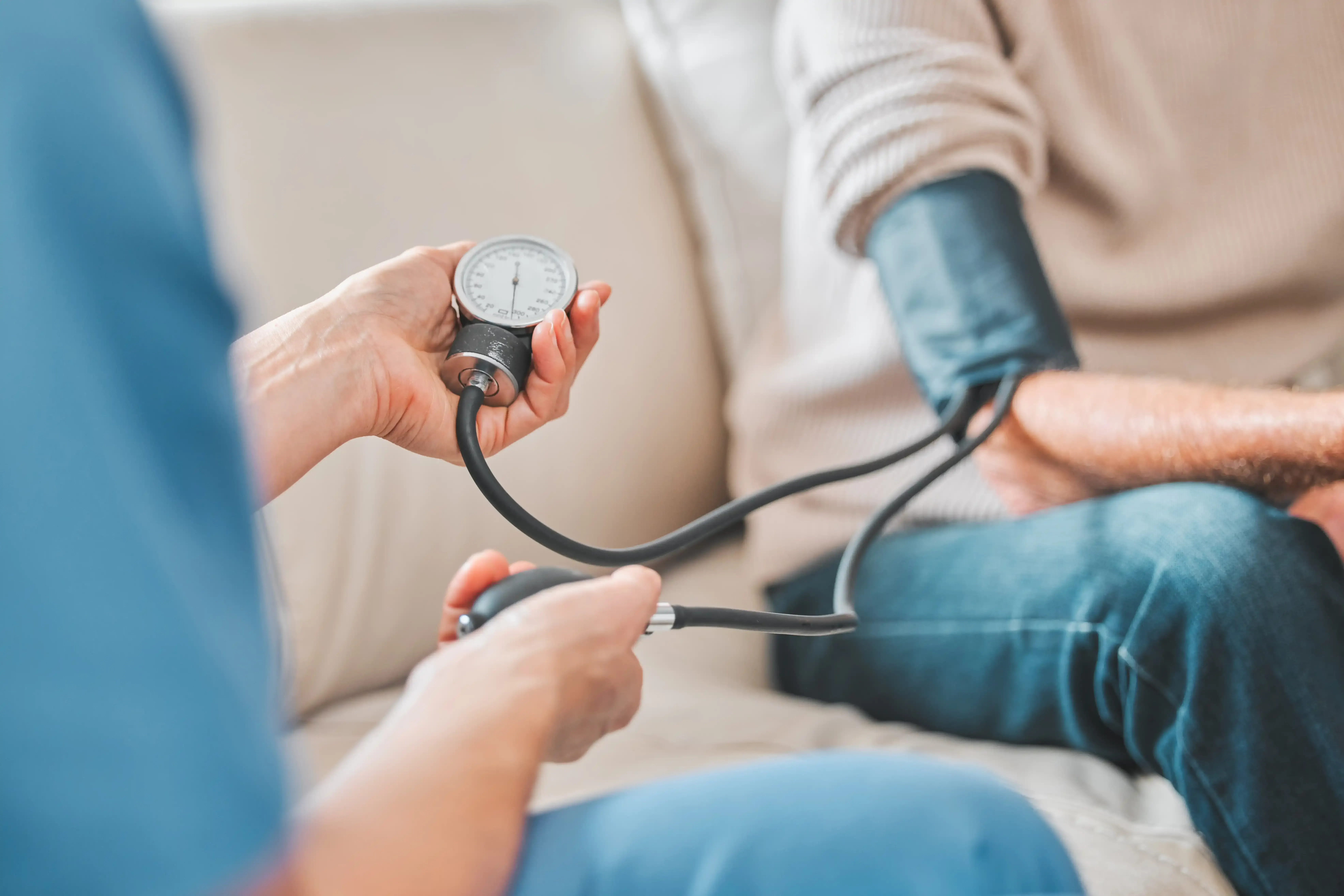

Obesity, High Blood Pressure and Hypertension
Hypertension treatment in Suwanee, GA at Bodiatrics addresses high blood pressure as a condition that frequently improves when weight comes down. Carrying extra body fat, especially around the abdomen, forces the heart to work harder, activates hormones that constrict blood vessels and prompts the kidneys to hold onto sodium and fluid; over time these forces push blood pressure higher. We treat patients from Johns Creek, Alpharetta, Duluth, Cumming and across Metro Atlanta.
Why the two so often travel together
The reassuring part is that this relationship works in reverse. Gradual, sustained weight loss commonly lowers both the top (systolic) and bottom (diastolic) numbers, and for many patients it reduces the number or dose of blood pressure medications they need. Under the care of Dr. Will Johnson, a board-certified bariatric and vein surgeon, we address the weight that drives your readings rather than treating the numbers alone.

How Excess Weight Drives High Blood Pressure
The physiology behind the readings
Excess weight raises blood pressure through several overlapping pathways. Extra fat tissue increases blood volume and cardiac output, while insulin resistance and chronic inflammation stiffen and narrow the arteries. Fat cells also release hormones that activate the renin-angiotensin-aldosterone system, signaling the kidneys to retain sodium and water. The result is more fluid in a tighter vascular system and, predictably, higher pressure.
Because these drivers are weight-based, losing even 5 to 10 percent of body weight can measurably lower readings. Our medical weight loss program combines GLP-1 medications, nutrition and monitoring to unwind these mechanisms, and for patients with more significant obesity, bariatric surgery can produce larger, more durable reductions. We track your blood pressure alongside your weight so improvements are documented and medications adjusted safely.
What Contributes to High Blood Pressure
Root causes we assess and treat
Hypertension usually results from several factors acting together. When excess weight is one of them, treating it can influence many of the others at the same time.
-
Excess Body Fat
More fat tissue increases blood volume and the workload on the heart and arteries.
-
Insulin Resistance
Common with obesity, it stiffens vessels and promotes sodium retention.
-
High Sodium Intake
Excess salt causes fluid retention that raises pressure inside the vessels.
-
Hormonal Signaling
Fat cells activate systems that constrict vessels and hold onto fluid.
-
Physical Inactivity
Low activity worsens weight gain, stiffens arteries and elevates resting pressure.
-
Chronic Stress and Poor Sleep
Both drive hormones that keep blood pressure persistently higher.
The Risk of Leaving Hypertension Unaddressed
And how weight loss changes the trajectory
Uncontrolled high blood pressure quietly damages the body long before symptoms appear. Over years it thickens the heart muscle, scars the kidneys, stiffens arteries and raises the risk of heart attack, stroke and vision loss. Because it rarely causes obvious warning signs, many people do not realize how much strain their vessels are under, which is why hypertension is often called a silent condition.
Addressing the underlying weight offers a path to lasting change rather than a lifetime of escalating prescriptions. Our semaglutide weight loss plans and dietitian and nutritionist services help you reduce sodium, build sustainable eating habits and lose fat steadily. For qualifying patients, procedures such as gastric sleeve surgery deliver the substantial weight loss most strongly tied to improved blood pressure. Every plan is physician-supervised so your cardiovascular health is protected throughout.
Managing Hypertension Through Weight Loss in Suwanee
Physician-led care focused on lasting results
-
Physician-Led Care
Board-certified surgeon Dr. Johnson oversees every plan personally.
-
Root-Cause Focus
We target the excess weight that drives your high blood pressure.
-
Full Range of Options
Medical weight loss and bariatric surgery under one roof.
-
Safe Medication Tapering
Blood pressure tracked as weight drops so doses adjust safely.
Weight Loss Options That Can Improve Blood Pressure
Comparing supervised weight loss options that most influence blood pressure, so you can choose the right starting point.
| Treatment | How It Works | Best For | Downtime | Results Timeline |
|---|---|---|---|---|
| Gastric Sleeve Surgery | Reduces stomach size to limit intake and shift appetite hormones for major weight loss. | Significant obesity with hypertension seeking durable change | 1 to 2 weeks | Steady loss over 12 to 18 months |
| Semaglutide (GLP-1) Weight Loss | Weekly GLP-1 medication that curbs appetite and supports gradual fat loss. | Moderate excess weight and elevated blood pressure | None | Improvements over several months |
| Dietitian and Nutritionist Services | Personalized low-sodium, calorie-aware nutrition planning and coaching. | Anyone wanting sustainable diet change to support blood pressure | None | Weeks to months with consistency |
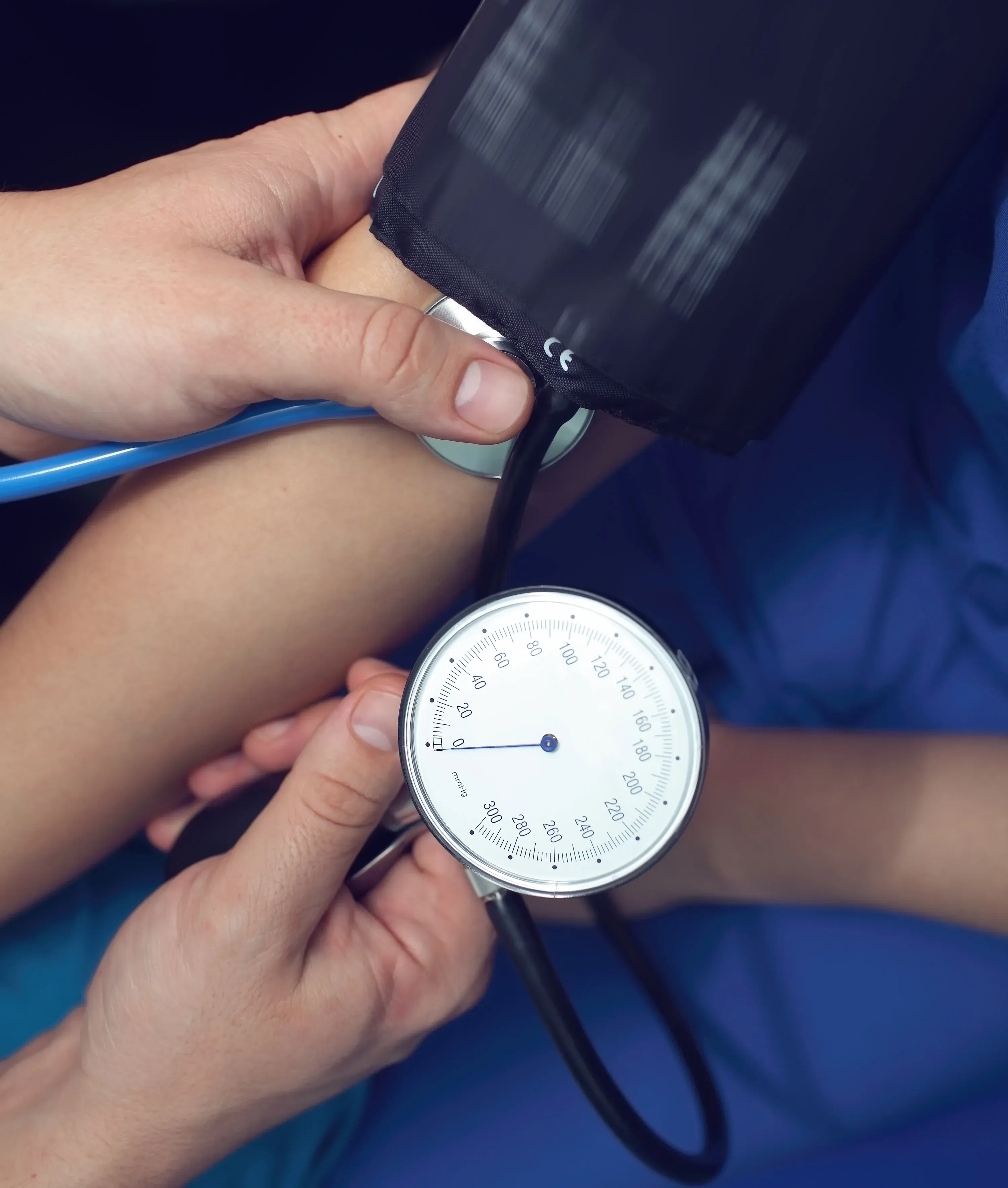
Signs Your Weight May Be Affecting Your Blood Pressure
Indicators worth evaluating
High blood pressure is often silent, but these patterns suggest your weight could be a driving factor.
- Consistently Elevated Readings
- Rising Numbers With Weight Gain
- Central Weight Gain
- Increasing Medication Needs
- Occasional Headaches or Fatigue
- Related Metabolic Issues
Services That Treat This
How we help, matched to your needs.
 Featured treatment Gastric Sleeve Surgery A minimally invasive sleeve gastrectomy that reduces stomach size to support steady, durable weight loss.
 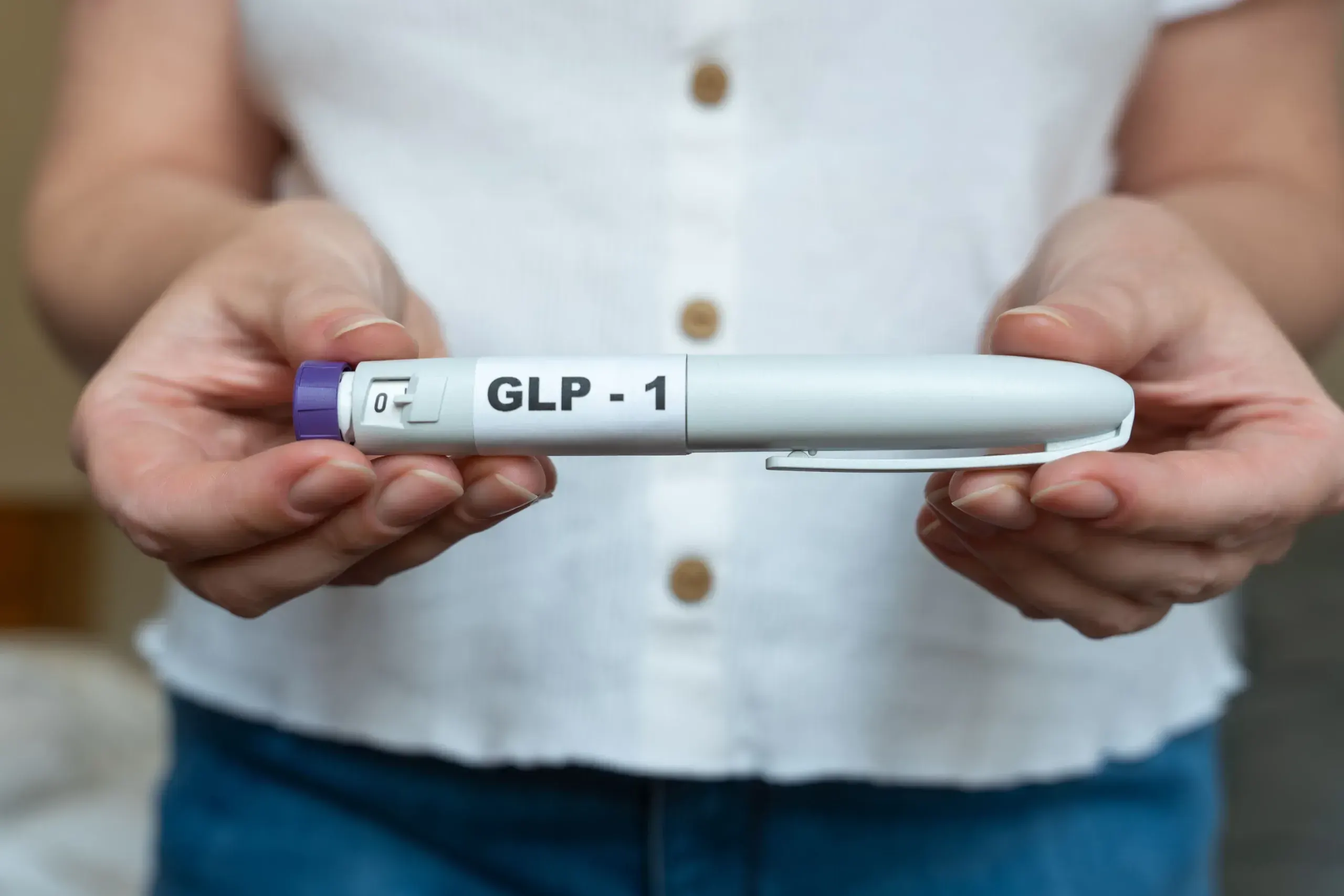 Featured treatment Semaglutide (GLP-1) Weight Loss Physician-supervised, once-weekly GLP-1 injections that curb appetite and support steady, lasting weight loss.
 Hypertension and Weight Loss FAQs
What patients ask most
Can losing weight lower my blood pressure?
Yes. For most people carrying excess weight, blood pressure falls as body fat decreases. Losing even 5 to 10 percent of your weight often produces measurable drops in both numbers, and larger weight loss tends to bring larger, more lasting reductions. Many patients are able to lower medication doses under supervision.
Why does being overweight raise blood pressure?
Excess fat increases blood volume and the heart's workload while activating hormones that constrict vessels and make the kidneys retain sodium and fluid. Insulin resistance and inflammation, both common with obesity, also stiffen the arteries. Together these forces push pressure higher, which is why weight-based treatment works.
Will I still need blood pressure medication after losing weight?
Possibly less, and sometimes none. As your weight drops, your readings usually improve, and Dr. Johnson coordinates with you to reduce doses safely. Never stop or change a prescription on your own. We monitor your pressure at each visit so any medication changes are gradual and guided by your actual numbers.
How much weight loss makes a difference for hypertension?
Even modest loss helps. Research shows that losing 5 to 10 percent of body weight can meaningfully lower blood pressure. Larger, sustained loss achieved through medical weight loss or bariatric surgery tends to produce bigger and more durable improvements in cardiovascular health.
Does high blood pressure have symptoms?
Usually not, which is why it is called a silent condition. Most people feel normal even when their pressure is dangerously high, and damage to the heart, kidneys and arteries builds quietly over years. Regular monitoring is the only reliable way to know your numbers and act early.
When should I see a doctor about my blood pressure?
See a physician if home readings are consistently at or above 130/80, or sooner if you have chest pain, severe headache, vision changes or shortness of breath. At Bodiatrics we evaluate your blood pressure alongside your weight and metabolic health to build a plan that addresses the underlying cause.
Is bariatric surgery worth it for high blood pressure?
For patients with significant obesity, it can be. Substantial, lasting weight loss after procedures such as gastric sleeve surgery is strongly linked to improved blood pressure and reduced medication needs. During your consultation, Dr. Johnson reviews your health to determine whether surgical or medical weight loss best fits your goals.
Schedule Your Consultation
References
- Lincoff et al., N Engl J Med. (2023). Semaglutide reduced major cardiovascular events in adults with obesity and established cardiovascular disease. PMID: 37952131.
- Schauer et al., N Engl J Med. (2017). STAMPEDE 5-year: bariatric surgery plus medical therapy improved metabolic outcomes in obesity-related disease. PMID: 28199805.
- American Heart Association. Managing Blood Pressure with a Heart-Healthy Diet and Weight Management. heart.org.
- National Institute of Diabetes and Digestive and Kidney Diseases (NIDDK). Health Risks of Overweight and Obesity. niddk.nih.gov.