
Vein Ablation in Suwanee, GA: ClosureFast Radiofrequency Treatment With Minimal Downtime
A minimally invasive radiofrequency procedure that closes diseased veins so blood reroutes to healthy ones.
- Time
- 30-60 minutes
- Downtime
- Same day
- Anesthesia
- Local only
- FDA Cleared
- Yes


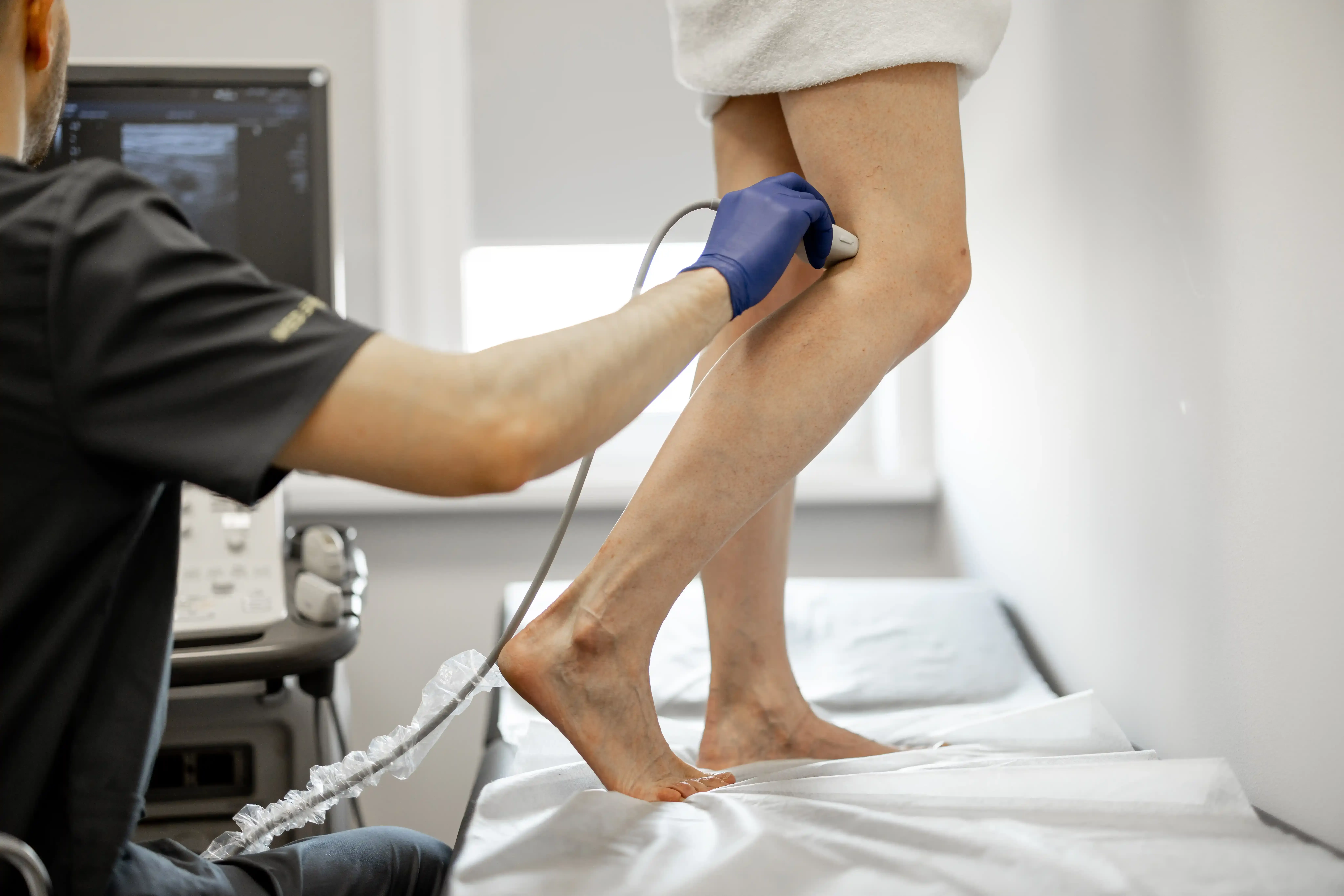
Radiofrequency Vein Ablation Care
Vein ablation in Suwanee, GA is a minimally invasive procedure that uses radiofrequency energy to seal a diseased vein from the inside, redirecting blood to healthy vessels. We treat patients from Johns Creek, Alpharetta, Duluth, Cumming and across Metro Atlanta. If aching, heavy, or bulging leg veins slow you down, endovenous ablation can help.
Dr. Will Johnson, MD, FACS is a board-certified surgeon with more than 20 years of experience and serves as Medical Director of the Vein Center at Johns Creek. Duke-trained in surgery, Dr. Johnson performs ClosureFast radiofrequency ablation in-office at Bodiatrics in Suwanee, GA, pairing precise ultrasound guidance with a comfort-first approach for lasting results.
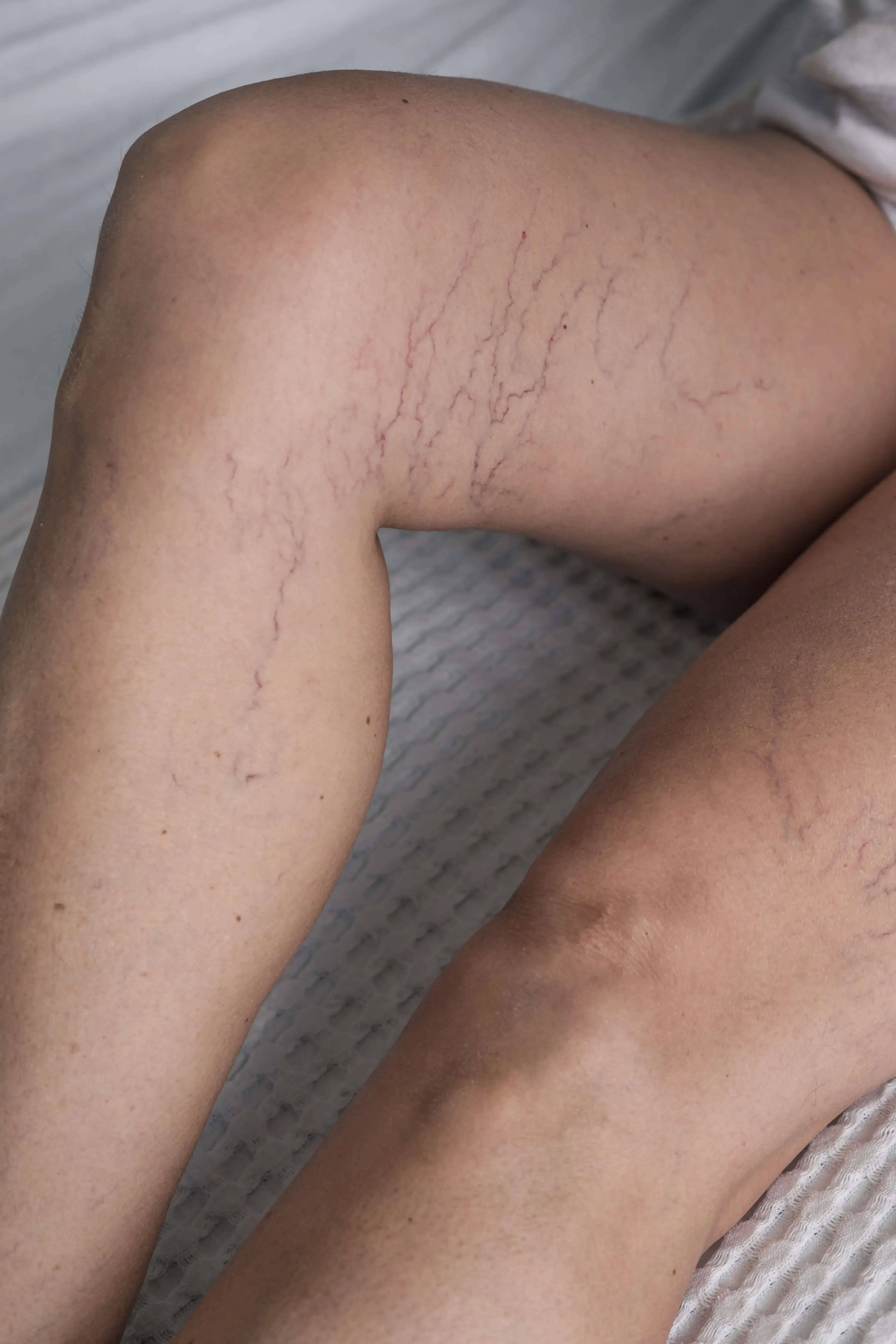
When Faulty Leg Valves Call for Vein Ablation
When the tiny valves inside your leg veins weaken, blood pools instead of flowing back to the heart. This condition, called venous reflux, produces the symptoms you likely recognize: legs that ache and feel heavy by afternoon, swelling around the ankles, throbbing after standing, restless legs at night, and ropey varicose veins that bulge at the surface. Over time the skin near the ankle can darken, itch, or break down. These are not simply cosmetic complaints, they signal that the underlying vein is no longer doing its job.
Understanding Venous Reflux
Radiofrequency vein ablation treats the source rather than the surface. Using ultrasound guidance, Dr. Johnson threads a thin catheter into the failing vein and delivers controlled heat that collapses and seals it. Blood immediately reroutes through healthy deeper veins, and the sealed vessel is gradually absorbed by the body. Most patients feel the heaviness and aching ease within days. The procedure takes under an hour, uses only local anesthesia, and lets you walk out and return to most daily activities the same day.
What Is Vein Ablation?
Vein ablation is a minimally invasive, FDA-cleared procedure that closes a diseased vein from the inside. Bodiatrics uses the ClosureFast system: under ultrasound guidance a catheter delivers radiofrequency heat that shrinks the vein wall and seals the vessel, in-office under local anesthesia.
A surrounding layer of anesthetic protects nearby tissue, blood reroutes to healthy veins and leg pressure drops, with closure rates above 90 percent at five years. The Society for Vascular Surgery calls it first-line, and it underlies most varicose vein treatment in our vein clinic.
- First Signs
- Within a few days (leg heaviness eases)
- Full Effect
- 2 to 6 weeks (as the vein is absorbed)
- Treatment Time
- 30 to 60 minutes (per treated leg)
- Recovery
- Same day (minimal downtime)
Vein Ablation Treatment Areas
Vein ablation does more than close a damaged vein - it redirects blood flow to healthy vessels and relieves pressure. Dr. Will Johnson at Bodiatrics uses it to address:
-
Heavy, Aching Legs
Relieves the tired, throbbing heaviness caused by pooling blood
-
Varicose Veins
Closes the underlying vein feeding bulging surface varicosities
-
Leg Swelling
Reduces ankle and calf swelling from chronic venous pressure
-
Restless Legs
Eases night-time restlessness linked to venous insufficiency
-
Skin Changes
Addresses reflux driving skin darkening or ulcers near the ankle
-
Recurrent Varicose Veins
Treats reflux that allowed veins to return after earlier procedures
Benefits of Vein Ablation Treatment
Walk In, Walk Out
2000+ Satisfied patients






- 01
Minimal Downtime
Walk in, walk out, and return to most activities the same day
- 02
Local Anesthesia Only
No general anesthesia and no hospital stay required
- 03
High Success Rate
Vein closure rates above 90 percent reported at five years
- 04
Lasting Symptom Relief
Aching and heaviness often ease within days of treatment
- 05
Tiny Access Point
A single needle puncture leaves no surgical scar
- 06
Treats the Cause
Closes the source vein rather than just surface veins
Vein Ablation vs. Alternatives
Radiofrequency ablation seals the source vein with heat, while non-thermal and foam options suit different vein sizes and locations.
| Treatment | Mechanism | Time | Results | Duration | Downtime | Best For |
|---|---|---|---|---|---|---|
| Vein Ablation (ClosureFast) | Radiofrequency heat | 30-60 min | Vein sealed | Long-lasting | Same day | Large refluxing veins |
| VenaSeal | Medical adhesive | About 30 min | Vein sealed | Long-lasting | Same day | Non-thermal preference |
| Varithena | Foam sclerosant | Under 1 hour | Vein collapses | Long-lasting | Minimal | Tortuous veins |
| Sclerotherapy | Injected solution | 15-30 min | Vein fades | Variable | Minimal | Smaller surface veins |

Who Is a Good Candidate for Vein Ablation?
Vein ablation is best for adults with symptomatic venous reflux confirmed by ultrasound, especially those experiencing heavy and aching legs that worsen through the day.
Ideal Candidates for Vein Ablation
- Adults with ultrasound-confirmed saphenous vein reflux
- Aching, heavy, swollen, or restless legs that limit daily comfort
- Visible varicose veins tied to an underlying failing vein
- Patients who prefer an in-office, minimally invasive option
- Those with realistic expectations about symptom relief and appearance
Who Should Wait or Avoid Vein Ablation
- Pregnancy or breastfeeding
- Active deep vein thrombosis or blood clot in the treatment area
- Certain clotting disorders or an inability to walk after treatment
- Active infection or open wound over the treatment site
A consultation and duplex ultrasound with Dr. Johnson confirm whether ablation, a non-thermal option, or another approach is safest for you.
What Happens During Vein Ablation Treatment
Mapping
Access
Anesthesia
Ablation
Recovery
Risks and Side Effects
What to Know
-
Common Side Effects
Most side effects are mild and temporary. Patients may notice tenderness, bruising, tightness, or a pulling sensation along the treated vein that typically resolves within one to two weeks. Mild numbness at the access site can occur and usually fades over several weeks without needing any treatment at all.
-
Rare Complications
Uncommon complications include skin burns, temporary nerve irritation, or a blood clot. A specific concern with thermal ablation is endovenous heat-induced thrombosis, which is rare and monitored with a follow-up ultrasound. Serious deep vein thrombosis is very uncommon, and early walking lowers the risk further still.
-
Safety and FDA Status
The ClosureFast radiofrequency system is FDA-cleared for the treatment of venous reflux and has a strong long-term safety record. Patient guidance from the American Vein and Lymphatic Society supports endovenous ablation for symptomatic disease. Dr. Johnson's ultrasound guidance helps minimise risk at every step.

Vein Ablation Cost in Suwanee
Pricing and Payment Options
How Much Does Vein Ablation Cost in Suwanee?
The cost of the procedure depends on how many veins need treatment, the length of the vein being sealed, whether one or both legs are involved, and your individual anatomy. When ablation is medically necessary for symptomatic venous reflux, treatment may be eligible for insurance coverage, though requirements such as documented symptoms and a trial of compression stockings often apply. Exact pricing and any out-of-pocket estimate will be discussed during your personalized consultation.
Flexible Payment Options
For self-pay balances and treatments not covered by insurance, we offer financing so you can move forward comfortably.
- Cherry - Simple monthly payment plans with a quick approval process.
- CareCredit - A healthcare credit line for medical and elective care.
Our team will verify your benefits and explain every option before you commit.
Why Choose Bodiatrics for Vein Ablation in Suwanee
Suwanee's Trusted Vein Team
-
Vein Center Medical Director
Dr. Johnson leads the Vein Center at Johns Creek
-
Board-Certified Surgeon
20+ years, FACS, Duke-trained in surgery
-
In-Office Comfort
Ablation done in a relaxed office, not a hospital
-
Ultrasound-Guided Precision
Every catheter placement mapped in real time
Related Treatments
Complementary treatments to support your goals.
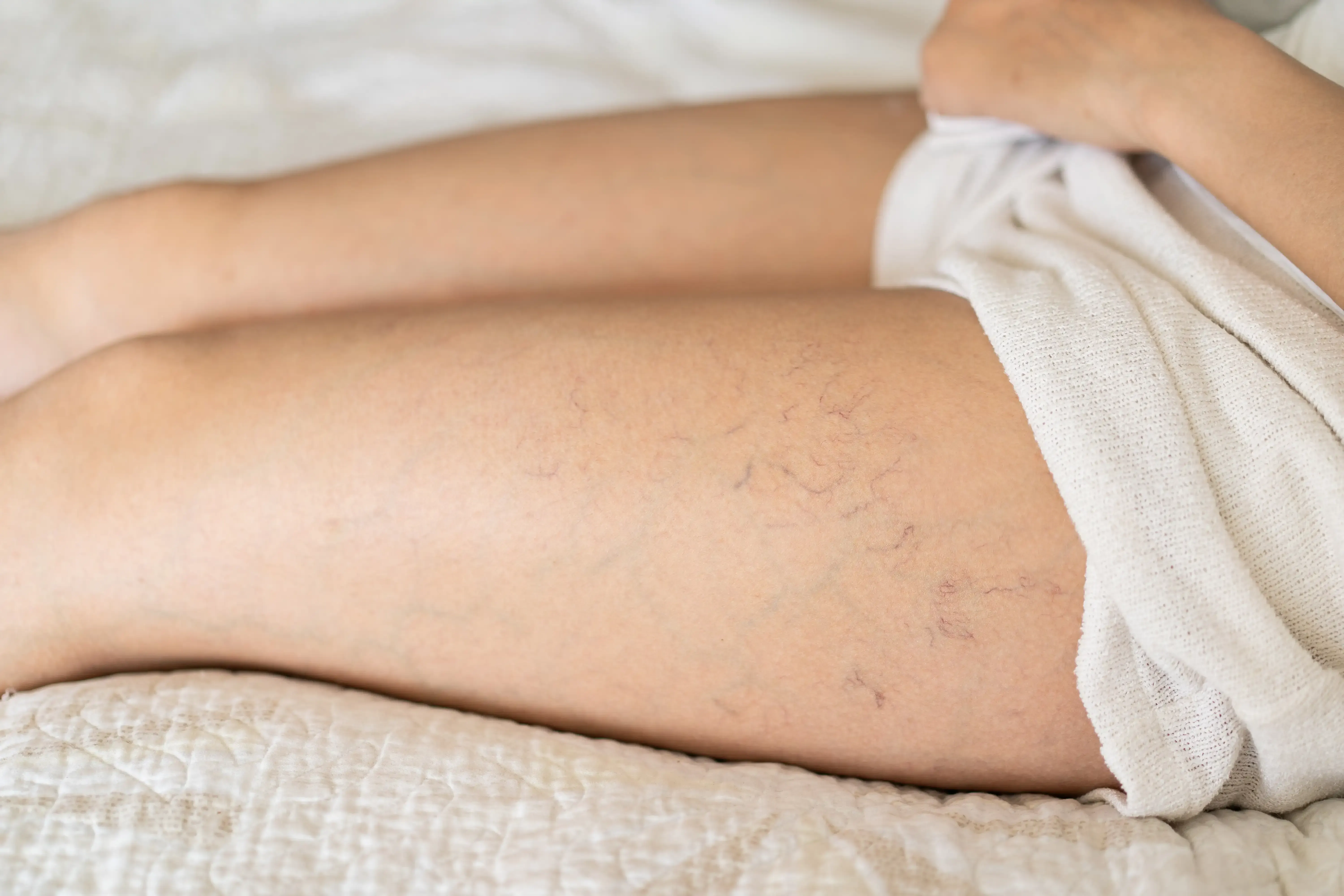 Featured treatment VenaSeal A gentle, FDA-cleared way to close diseased leg veins using medical adhesive, with no heat, no tumescent numbing, and same-day return to your routine.
  Featured treatment Varicose Vein Treatment Minimally invasive, image-guided care that closes diseased veins and eases the pain, swelling and heaviness varicose veins cause.
 Frequently Asked Questions About Vein Ablation
Your Questions Answered
How much does vein ablation cost in Suwanee?
Cost depends on how many veins are treated, the vein length, and whether one or both legs are involved. Because ablation treats symptomatic venous reflux, it may qualify for insurance coverage when medical criteria are met. We verify your benefits and provide a clear estimate at your consultation, and offer Cherry and CareCredit financing for any balance.
How long do vein ablation results last?
The procedure results are long-lasting because the treated vein is permanently sealed and absorbed by the body. Clinical studies report closure rates above 90 percent at five years. New veins can develop over time, so periodic follow-up helps maintain healthy circulation and catch any new reflux early.
Does vein ablation hurt?
Most patients find the procedure very tolerable. Dr. Johnson numbs the skin and surrounds the vein with local anesthetic, so you typically feel only mild warmth or pressure during treatment. Afterward, some tenderness or bruising along the vein is normal and usually eases within one to two weeks.
When will I see results after vein ablation?
Many patients feel heaviness and aching ease within a few days as reflux stops. Visible improvement in swelling and vein appearance continues over the next two to six weeks as the treated vein is reabsorbed. Full comfort and cosmetic results build gradually during this window.
How often do I need vein ablation?
Most refluxing veins need only a single ablation to close permanently. Some patients with disease in more than one vein or both legs may need staged sessions. New veins can occasionally develop years later, but routine follow-up keeps your treatment plan on track.
What is the difference between vein ablation and VenaSeal?
The procedure uses radiofrequency heat to seal the vein, while VenaSeal uses a medical adhesive with no heat, so it needs no tumescent anesthesia. Both close the vein through a tiny access point with minimal downtime. Dr. Johnson may recommend VenaSeal as a non-thermal alternative depending on your vein anatomy.
Can men get vein ablation?
Yes, men develop venous reflux and varicose veins just like women and benefit equally from ablation. Symptoms such as aching, heavy legs and swelling affect both sexes. Dr. Johnson treats male and female patients with the same ultrasound-guided ClosureFast approach for lasting relief.
Is vein ablation covered by insurance?
The procedure is often covered when it treats symptomatic venous reflux and medical criteria are met, such as documented symptoms and a trial of compression stockings. Coverage varies by plan, so our team verifies your benefits in advance. Purely cosmetic vein treatment is generally not covered.
How is vein ablation different from sclerotherapy?
Vein ablation seals a large underlying vein driving reflux, while sclerotherapy injects a solution to fade smaller surface and spider veins. They are often complementary: ablation addresses the source, then sclerotherapy or spider vein treatment can clean up remaining surface veins for a smoother result.
Is vein ablation safe?
Vein ablation with the ClosureFast system is FDA-cleared and has a strong long-term safety record. Most side effects are mild and temporary, and serious complications are rare. Dr. Johnson's surgical training, ultrasound guidance, and follow-up ultrasound checks help keep the procedure safe from start to finish.
Schedule Your Vein Ablation (ClosureFast) Consultation
References
- Society for Vascular Surgery. (2024). Endovenous thermal ablation is recognized as a first-line treatment for symptomatic saphenous vein reflux.
- American Vein and Lymphatic Society. (2024). Radiofrequency and other endovenous ablation techniques effectively treat chronic venous insufficiency.
- U.S. Food and Drug Administration. (2007). ClosureFast radiofrequency catheter cleared (510(k)) for endovenous coagulation of veins in patients with superficial vein reflux.