
Muscle Loss and Sarcopenia Treatment in Suwanee, GA: Rebuild Strength at Any Age
Muscle is the engine of healthy aging. We measure it precisely, protect it during weight loss, and help you rebuild strength you can feel.
- Common In
- Adults over 50, especially after rapid weight loss
- Primary Causes
- Aging, inactivity, low protein, hormonal decline
- Treatment Time
- Progress reviewed every 3 to 6 months
- Results
- Preserved and rebuilt lean muscle over 3 to 6 months




What Sarcopenia and Age-Related Muscle Loss Really Mean
Sarcopenia treatment in Suwanee, GA at Bodiatrics treats the gradual loss of muscle mass and strength as a core marker of how well you are aging, not just a cosmetic concern. Sarcopenia is the progressive decline in skeletal muscle that begins in your 30s and accelerates after 60, quietly reducing strength, mobility and metabolic health. We treat patients from Johns Creek, Alpharetta, Duluth, Cumming and across Metro Atlanta.
The quiet decline that affects strength, metabolism and independence
Muscle does far more than move you. It stores protein, burns calories, stabilizes blood sugar and protects your joints and bones. When lean muscle fades, everyday tasks feel harder, falls become more likely, and your metabolism slows. Because the change is slow and often masked by stable body weight, many people do not notice muscle loss with age until strength is already compromised. That is why measurement matters. Our goal is not simply to slow the decline but to help you actively rebuild strength at any age.

What Drives Age-Related Muscle Loss
Aging, lifestyle and metabolism all play a role
Muscle loss with age is driven by a combination of biology and lifestyle. After roughly age 30, adults naturally lose muscle mass each decade, and the rate speeds up in the 60s and 70s as hormone levels, physical activity and protein intake all tend to decline. Inactivity is one of the biggest accelerators: unused muscle shrinks quickly, and even a few weeks of bed rest or reduced movement can produce measurable losses.
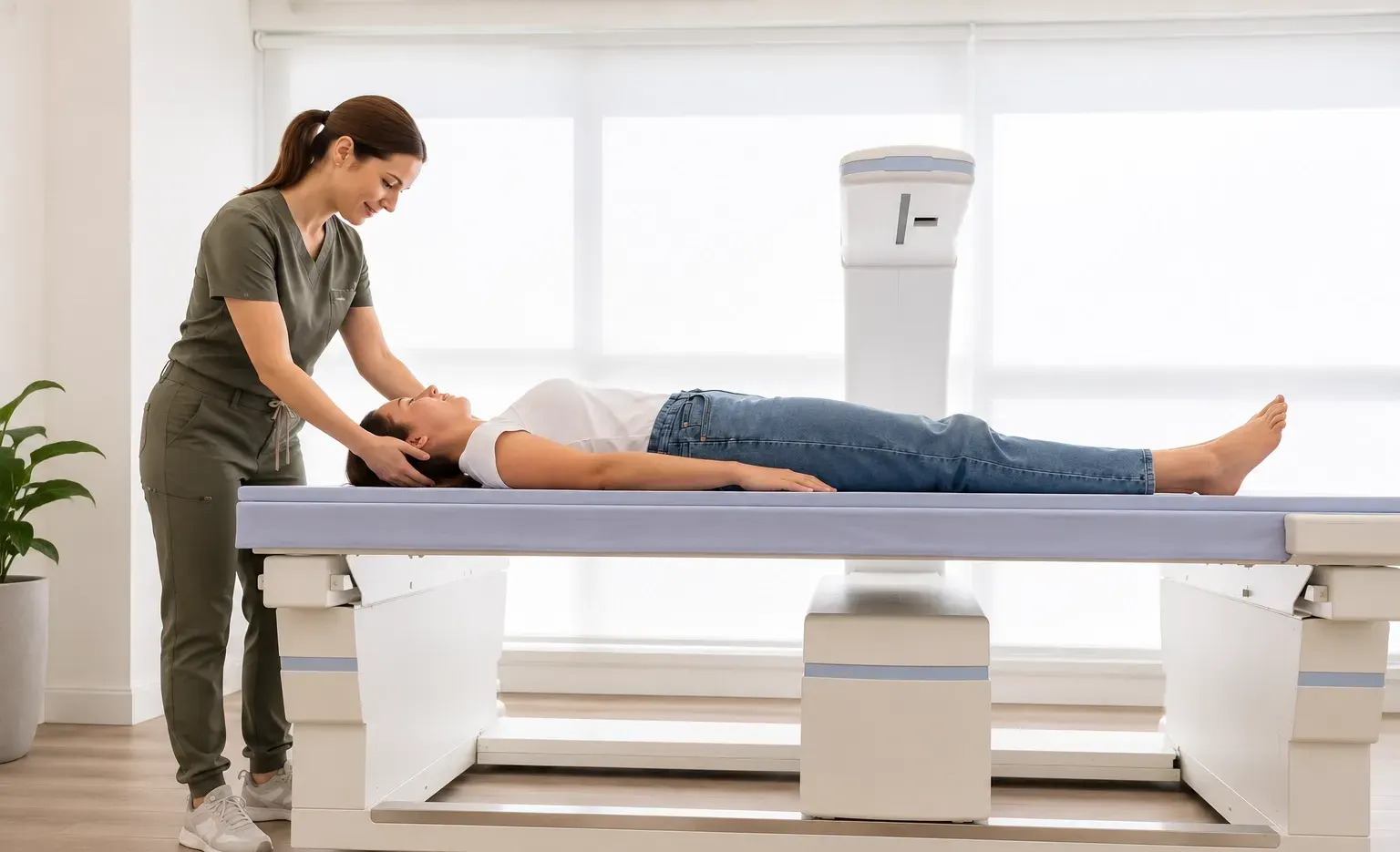
Diet plays an equally important role. Many adults simply do not eat enough high-quality protein to maintain lean tissue, especially during aggressive dieting or medication-assisted weight loss, when both fat and muscle can be lost together. Working with our registered dietitian and nutrition team helps ensure that when you lose weight, you protect the muscle you want to keep. Precise body composition analysis through a DEXA body composition scan lets us separate fat loss from muscle loss so we can adjust your plan before strength suffers.
Common Causes and Contributors to Muscle Loss
The factors that speed up sarcopenia
Several overlapping factors contribute to age-related muscle loss. Understanding which ones apply to you helps shape a more effective, personalized plan.
-
Natural Aging
Muscle mass declines each decade after 30 and accelerates after 60.
-
Physical Inactivity
Sedentary time and reduced resistance activity cause unused muscle to shrink.
-
Low Protein Intake
Not eating enough quality protein deprives muscle of its building blocks.
-
Rapid or Unmanaged Weight Loss
Aggressive dieting can strip lean muscle along with fat.
-
Hormonal Changes
Declining testosterone, estrogen and growth factors reduce muscle maintenance.
-
Chronic Illness and Inflammation
Conditions like diabetes and prolonged inflammation break down muscle tissue.
The Cost of Leaving Muscle Loss Untreated
How measuring and rebuilding muscle protects long-term health
Left unaddressed, sarcopenia does more than reduce strength. Low muscle mass is linked to a higher risk of falls and fractures, slower recovery from illness or surgery, poorer blood sugar control and loss of independence later in life. Because muscle and bone are closely connected, declining muscle often accompanies weakening bones, which is why we frequently evaluate strength and skeletal health together.
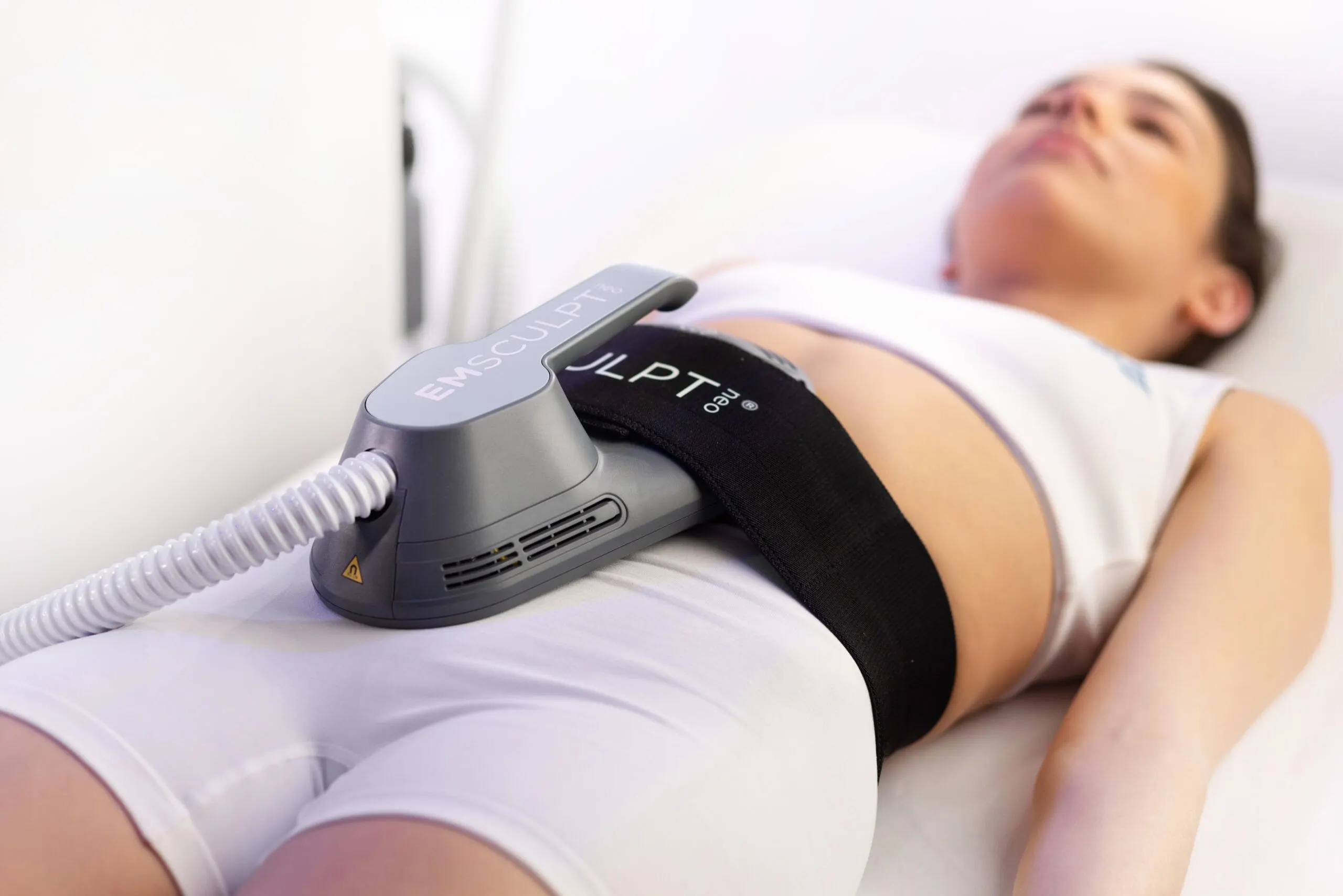
The encouraging news is that muscle responds to the right stimulus at any age. Our approach pairs objective measurement with targeted rebuilding. A DEXA scan for body composition establishes exactly how much lean mass you have and where, so progress is tracked with data rather than guesswork. To help stimulate and strengthen muscle, we may recommend Emsculpt Neo muscle-building sessions, which trigger intense muscle contractions to support tone and strength. Nutrition ties it together: our nutrition and dietitian services ensure adequate protein and the fuel your muscles need to grow. Together, these tools help you rebuild strength you can feel in daily life.
Sarcopenia and Muscle Loss Care in Suwanee, GA
A data-driven, physician-led approach to rebuilding strength
-
Precise Measurement
DEXA scanning quantifies lean muscle so care is guided by data, not guesswork.
-
Muscle Protection
We safeguard lean mass during medical weight loss so you lose fat, not strength.
-
Advanced Rebuilding
Emsculpt Neo and targeted nutrition work together to strengthen muscle.
-
Physician-Led Longevity Focus
Dr. Johnson designs whole-person plans for strength, mobility and healthy aging.
Tools to Measure and Rebuild Muscle
Managing sarcopenia combines precise measurement with active rebuilding and nutrition support tailored to you.
| Treatment | How It Works | Best For | Downtime | Results Timeline |
|---|---|---|---|---|
| DEXA Scan | A quick, low-dose scan that measures lean muscle, fat and bone precisely. | Establishing a baseline and tracking muscle over time. | None | Results the same day |
| Emsculpt Neo | Electromagnetic energy triggers strong muscle contractions to build strength and tone. | Actively stimulating and rebuilding targeted muscle groups. | None | Progress over several weeks to months |
| Dietitian and Nutritionist Services | Personalized nutrition plans ensure adequate protein to maintain and grow muscle. | Fueling muscle preservation during weight loss and aging. | None | Ongoing improvements over weeks to months |

Signs You May Be Experiencing Muscle Loss
Common indicators of sarcopenia to watch for
Sarcopenia often develops quietly. If several of the following sound familiar, a body composition assessment can clarify what is happening and guide your next steps.- Declining Strength
- Weaker Grip
- Slower Walking
- Poor Balance
- Unexplained Fatigue
- Visible Muscle Thinning
Services That Treat This
How we help, matched to your needs.
Muscle Loss and Sarcopenia FAQs
Answers about causes, testing and rebuilding strength
What causes sarcopenia and age-related muscle loss?
Sarcopenia is caused by a mix of natural aging, inactivity, low protein intake and hormonal decline. Muscle mass begins dropping after age 30 and falls faster after 60. Sedentary habits, aggressive dieting and chronic illness accelerate the process. Because the change is gradual, many people do not notice it until strength or mobility is already affected.
Can muscle loss be reversed at any age?
Yes, muscle responds to the right stimulus even in older adults. Resistance activity, adequate protein and targeted muscle stimulation can rebuild lean tissue at nearly any age. At Bodiatrics we combine precise measurement with Emsculpt Neo and expert nutrition so you can regain strength and track measurable progress over several months.
How is muscle loss measured?
The most precise way is a DEXA body composition scan, which separately measures lean muscle, fat and bone. This shows exactly how much muscle you have and where, so we can track changes over time. A DEXA baseline lets us confirm whether a plan is protecting muscle or whether adjustments are needed before strength declines.
Does weight loss cause muscle loss?
It can, especially with rapid or unmanaged dieting or medication-assisted weight loss, where both fat and muscle are lost together. Protecting lean mass is a key part of any healthy plan. We use DEXA tracking and a dietitian-guided, protein-focused strategy to help ensure that the weight you lose is fat, not the muscle you want to keep.
How does nutrition help prevent muscle loss?
Protein provides the building blocks muscle needs to repair and grow, and many adults do not eat enough of it. A dietitian can tailor your intake to your body composition, age and goals. Adequate protein paired with activity and, when appropriate, muscle stimulation gives your body what it needs to maintain and rebuild lean tissue.
When should I see a doctor about muscle loss?
See a physician if you notice unexplained weakness, difficulty rising from a chair, a weaker grip, frequent fatigue or unsteady balance. These can be early signs of sarcopenia. Getting evaluated with body composition testing lets us catch muscle loss early, identify contributing causes and build a plan to protect strength and independence.
Schedule Your Consultation
Clinical References
- Kent et al., Journal of Cosmetic Dermatology. (2023). High-intensity focused electromagnetic therapy synchronized with radiofrequency stimulated muscle while reducing visceral and subcutaneous fat. PMID: 37154787.
- National Institute on Aging. Exercise and physical activity guidance for maintaining muscle strength and mobility with age. nia.nih.gov.
- National Institute of Arthritis and Musculoskeletal and Skin Diseases. Overview of skeletal muscle health and age-related decline. niams.nih.gov.
- International Society for Clinical Densitometry. Guidance on DEXA-based body composition and lean mass assessment. iscd.org.