
Sleep Apnea and Weight: Breathe and Sleep Better Through Weight Loss in Suwanee, GA
Excess weight is one of the strongest drivers of obstructive sleep apnea. Supervised weight loss can ease the pressure on your airway and help you rest.
- Common In
- Adults carrying excess weight, especially around the neck and midsection
- Primary Causes
- Excess weight, neck fat, enlarged soft tissue
- Treatment Time
- Weight-loss plans span months, with breathing gains often noticed sooner
- Results
- Better breathing and deeper sleep as weight comes down




Sleep Apnea and Weight Loss: Why the Two Are Closely Linked
Sleep apnea and weight loss treatment in Suwanee, GA at Bodiatrics addresses the link between excess weight and obstructive sleep apnea. Obstructive sleep apnea happens when the airway repeatedly narrows or collapses during sleep, briefly interrupting breathing, and excess weight, particularly around the neck and abdomen, is one of the most common contributors to this pattern. We treat patients from Johns Creek, Alpharetta, Duluth, Cumming and across Metro Atlanta.
A weight-first approach to easing airway pressure
When fatty tissue builds up around the throat, it can crowd the airway and make it more likely to close when the muscles relax at night. Carrying extra weight around the midsection can also make it harder for the lungs to fully expand. Losing weight through a supervised program can reduce this pressure, which is why physician-led medical weight loss and, for qualifying patients, bariatric surgery can be meaningful parts of a whole-person plan. Bodiatrics focuses on the weight-and-breathing relationship, and any diagnosis or sleep-specific treatment should come from your sleep physician.

How Excess Weight Contributes to Sleep Apnea
The physical link between body weight and airway obstruction
The airway is a soft, flexible passage, and its shape can change with body weight. When extra fat accumulates in the tissues of the neck and throat, the airway becomes narrower and more prone to collapsing when muscles relax during sleep. A larger neck circumference is one of the more reliable physical signs associated with obstructive sleep apnea.
Weight around the abdomen matters too. Excess abdominal fat can press against the diaphragm and reduce lung volume, making breathing during sleep less efficient. This combination of a crowded airway and reduced lung capacity is why weight is such a central factor. Reducing overall body weight through a structured plan, whether through semaglutide weight loss or, when appropriate, procedures like a gastric sleeve procedure, can lessen the tissue pressure that contributes to airway obstruction.
Common Factors Behind Obstructive Sleep Apnea
What makes the airway more likely to obstruct
Several factors can increase the likelihood of obstructive sleep apnea. Excess weight is among the most significant and most modifiable, which is where a supervised weight-loss plan can help.
-
Excess Body Weight
Extra fat around the neck and throat narrows the airway and makes collapse more likely during sleep.
-
Larger Neck Circumference
More soft tissue around the neck crowds the airway and adds pressure while lying down.
-
Abdominal Fat
Weight around the midsection presses on the diaphragm and reduces lung capacity at night.
-
Muscle Relaxation in Sleep
Throat muscles naturally relax during sleep, and a crowded airway is then more prone to closing.
-
Age and Sex
Risk tends to rise with age, and men are affected more often, though risk in women increases after menopause.
-
Family History
Inherited airway shape and body-fat patterns can make some people more susceptible.
Why Addressing Weight and Sleep Apnea Together Is Worth It
The whole-body cost of untreated obstructive sleep apnea
Obstructive sleep apnea does more than disrupt rest. The repeated pauses in breathing and drops in oxygen can strain the cardiovascular system over time and are associated with higher blood pressure, daytime fatigue, and difficulty concentrating. Poor sleep can also make weight loss harder by affecting appetite hormones and energy levels, creating a cycle that feeds itself.
Breaking that cycle often starts with weight. Because excess weight is such a strong contributor, a supervised weight-loss plan can support better breathing and sleep quality at the same time. Bodiatrics offers medical weight loss options and surgical care through our bariatric surgery program, so patients can choose a path that fits their health and goals. For patients who qualify, a gastric bypass procedure can produce substantial, lasting weight loss. We coordinate on the weight side of the picture while your sleep physician manages diagnosis and any sleep-specific therapy.
Why Choose Bodiatrics for Sleep Apnea and Weight Loss in Suwanee
Physician-led, whole-person weight care
-
Board-Certified Surgeon
Care led by Dr. Will Johnson, MD, FACS, with over 20 years in weight management.
-
Medical and Surgical Options
From GLP-1 medications to bariatric surgery, matched to your health and goals.
-
Whole-Person Approach
We look at weight, metabolism, and overall health, not just the number on the scale.
-
Coordinated Care
We stay in step with your sleep physician while managing the weight side of your plan.
Weight-Loss Options That May Support Better Breathing
Compare supervised weight-loss options that can reduce airway pressure. Your best fit depends on your health, weight, and goals.
| Treatment | How It Works | Best For | Downtime | Results Timeline |
|---|---|---|---|---|
| Gastric Sleeve Surgery | Removes a large portion of the stomach to limit intake and reduce hunger signals. | Patients with higher BMI seeking substantial, lasting weight loss. | About 1 to 2 weeks before returning to routine activity. | Steady weight loss over 12 to 18 months. |
| Semaglutide (GLP-1) Weight Loss | Weekly GLP-1 medication that curbs appetite and supports gradual weight reduction. | Patients preferring a non-surgical, physician-supervised medical plan. | None, treatment fits into daily life. | Meaningful weight loss over several months of consistent use. |
| Gastric Bypass Surgery | Reroutes digestion to limit intake and reduce absorption for significant weight loss. | Patients with higher BMI or weight-related conditions needing robust results. | About 2 to 4 weeks before full routine activity. | Substantial weight loss over 12 to 18 months. |
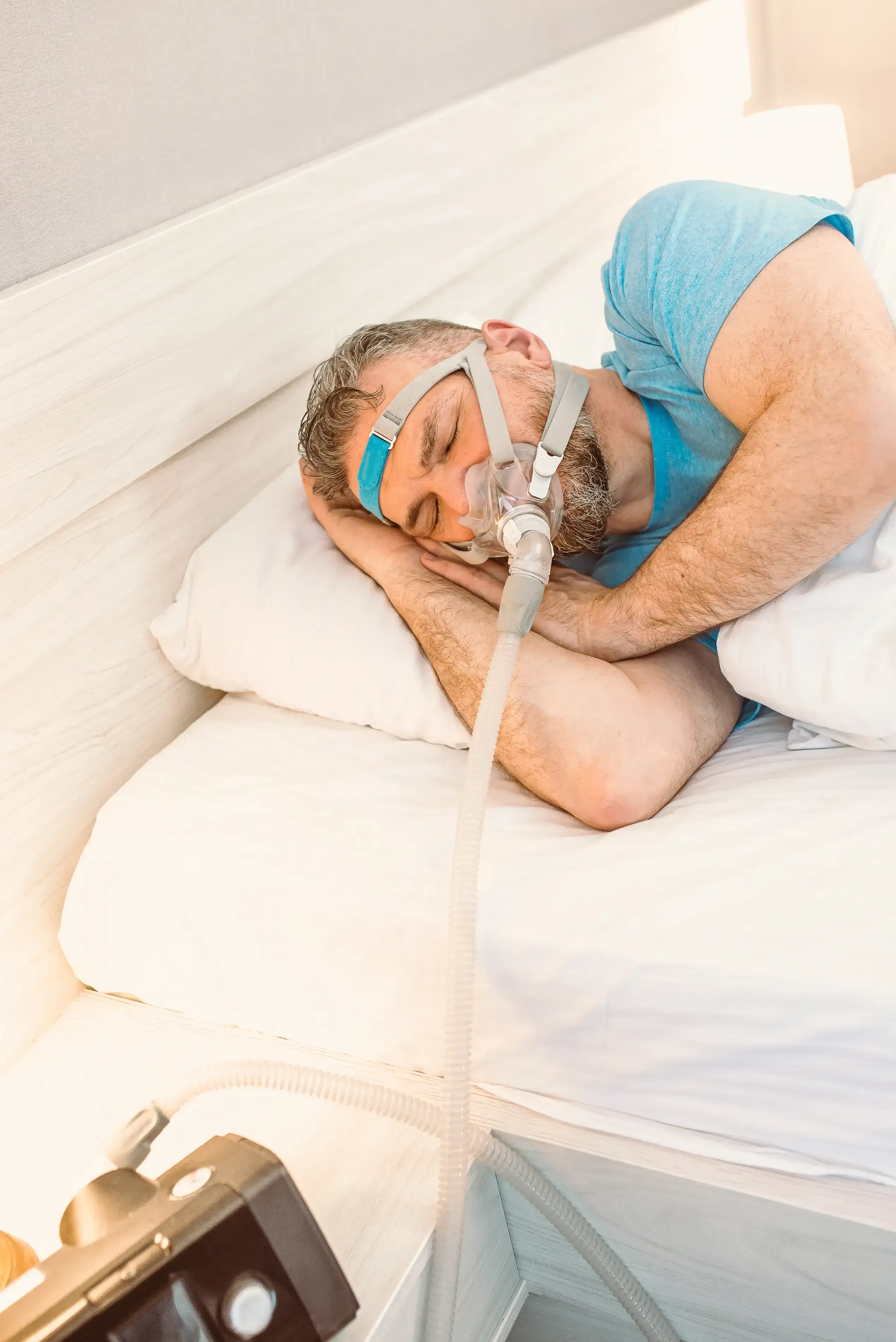
Signs You May Have Obstructive Sleep Apnea
Common symptoms worth discussing with a physician
Obstructive sleep apnea can be hard to notice on your own because much of it happens during sleep. These signs, especially when combined with excess weight, are worth raising with a doctor.- Loud, Frequent Snoring
- Pauses in Breathing
- Daytime Fatigue
- Morning Headaches
- Trouble Concentrating
- Waking Unrefreshed
Services That Treat This
How we help, matched to your needs.
 Featured treatment Gastric Sleeve Surgery A minimally invasive sleeve gastrectomy that reduces stomach size to support steady, durable weight loss.
  Featured treatment Gastric Bypass Surgery Roux-en-Y gastric bypass reshapes the digestive tract to drive significant, durable weight loss and metabolic improvement.
 Sleep Apnea and Weight Loss: Frequently Asked Questions
Answers about the connection between weight and breathing
Does weight loss help sleep apnea?
Weight loss can meaningfully help many people with obstructive sleep apnea. Because excess fat around the neck and abdomen contributes to airway narrowing, reducing weight can lessen that pressure and improve breathing during sleep. Results vary by person, and weight loss is one part of a plan managed alongside your sleep physician.
How does excess weight cause sleep apnea?
Excess weight adds soft tissue around the neck and throat, which narrows the airway and makes it more likely to collapse during sleep. Abdominal fat can also press on the diaphragm and reduce lung capacity. Together, these changes make obstructive sleep apnea more likely, which is why weight is such a central factor.
How much weight do I need to lose to notice a difference?
There is no single number that fits everyone. Even a modest, sustained reduction in body weight can ease airway pressure for some people, while others benefit from larger, structured weight loss. A supervised plan helps set realistic goals based on your health, and your sleep physician can track breathing changes over time.
Can bariatric surgery improve sleep apnea?
Bariatric surgery often leads to substantial weight loss, which can reduce the excess tissue that contributes to obstructive sleep apnea. Many patients notice improved sleep quality as weight comes down. Surgery is one option among several, and candidacy depends on your overall health, weight, and goals as assessed during a consultation.
Do GLP-1 medications like semaglutide help with sleep apnea?
GLP-1 medications such as semaglutide support gradual weight loss, and reducing body weight can ease the airway pressure linked to obstructive sleep apnea. As a non-surgical option, they may suit patients who prefer a medical plan. Any changes to sleep-specific therapy should be guided by your sleep physician.
When should I see a doctor about my symptoms?
See a doctor if you snore loudly, wake gasping, feel very tired during the day, or have been told you stop breathing in your sleep. A sleep physician can diagnose obstructive sleep apnea, often with a sleep study. Bodiatrics focuses on the weight side of your care and coordinates with that physician.
Does Bodiatrics treat sleep apnea directly?
Bodiatrics addresses excess weight, one of the strongest contributors to obstructive sleep apnea, through supervised medical and surgical weight-loss care. We do not diagnose or provide sleep-specific therapy such as CPAP. Instead, we work alongside your sleep physician so the weight-and-breathing sides of your health are managed together.
Schedule Your Consultation
Sources and Further Reading
- National Heart, Lung, and Blood Institute. (2022). Sleep Apnea: Causes and Risk Factors, including excess weight and neck fat. nhlbi.nih.gov.
- National Institute of Diabetes and Digestive and Kidney Diseases. (2023). Health Risks of Overweight and Obesity, including obstructive sleep apnea. niddk.nih.gov.
- Wilding et al., N Engl J Med. (2021). STEP 1: once-weekly semaglutide 2.4 mg produced about 15 percent mean body-weight reduction. PMID: 33567185.
- Schauer et al., N Engl J Med. (2017). STAMPEDE 5-year: bariatric surgery plus medical therapy improved outcomes in patients with obesity and type 2 diabetes. PMID: 28199805.