
Obesity Treatment in Suwanee, GA: Medical and Surgical Paths to a Healthier Weight
Obesity is a chronic medical condition, not a matter of willpower. Bodiatrics offers physician-led, judgment-free care that treats the biology behind excess weight.
- Common In
- Adults 30 to 65
- Primary Causes
- Genetics, metabolism, lifestyle
- Treatment Time
- Ongoing, individualized
- Results
- 10 to 30 percent weight loss



Comprehensive Obesity Treatment for Lasting Metabolic Health
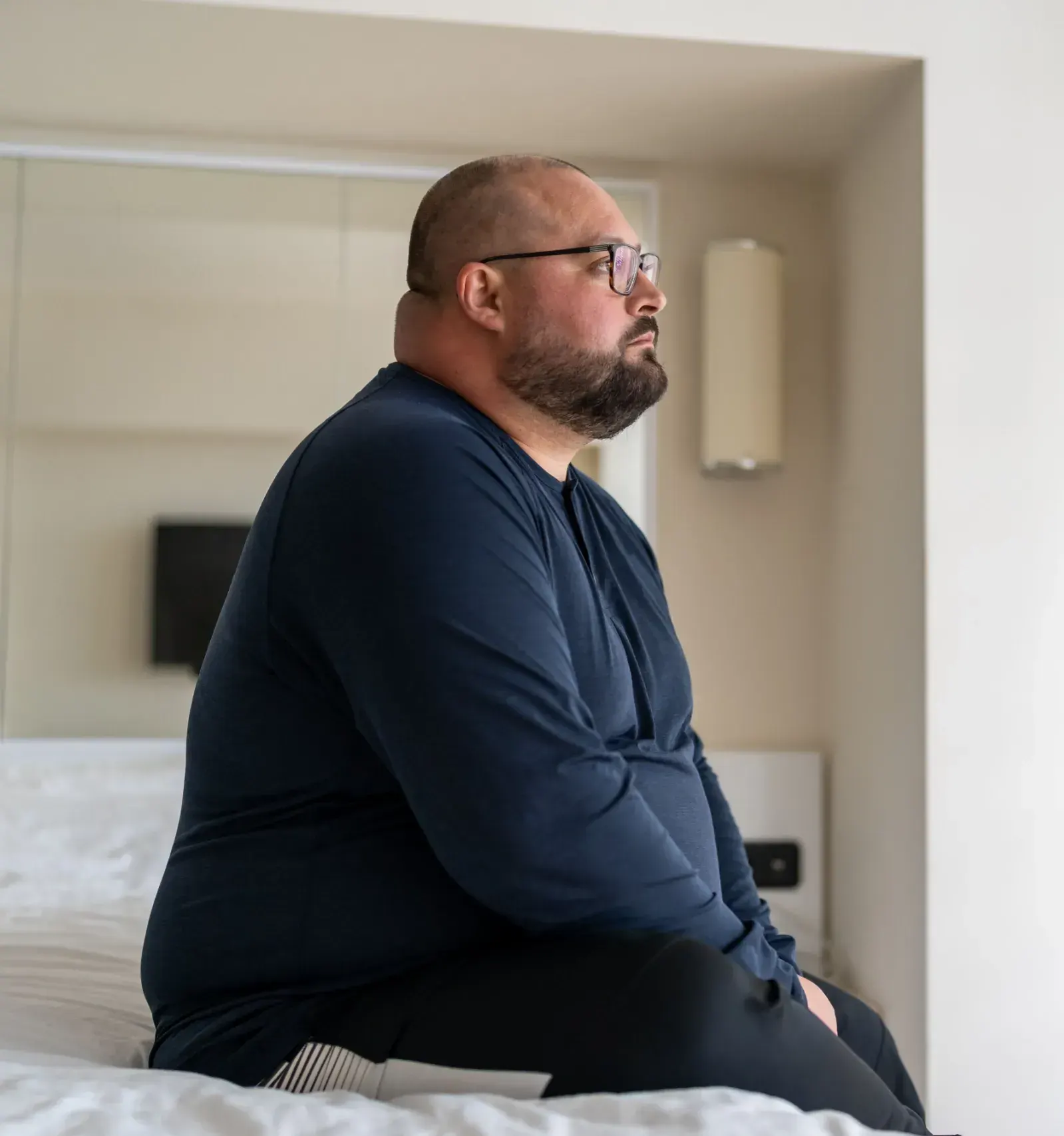
Obesity treatment in Suwanee, GA at Bodiatrics is physician-led, judgment-free care for a chronic, relapsing disease driven by genetics, hormones, metabolism and environment, not simply by eating too much or exercising too little. Obesity is defined by an excess of body fat that raises your risk for type 2 diabetes, heart disease, high blood pressure, sleep apnea and joint problems. Dr. Will Johnson, MD, FACS treats patients from Johns Creek, Alpharetta, Duluth, Cumming and across Metro Atlanta.
A chronic condition that responds to real medical care
Because the biology behind weight gain is complex, so is effective treatment. Dr. Will Johnson, MD, FACS, a board-certified bariatric surgeon with more than 20 years of experience, builds each plan around your body, health history and goals. Depending on your starting point, that may mean medical therapy, surgery or a combination, always guided by data rather than guesswork.

What Drives Obesity
The biology is more powerful than willpower
Obesity develops when the body stores more energy than it uses over time, but the reasons that balance tips are rarely simple. Genetics can influence appetite, fat storage and how full you feel after eating. Hormones such as insulin, leptin and ghrelin regulate hunger and metabolism, and when these signals are disrupted, weight loss becomes physiologically difficult to sustain.
Modern life adds pressure through calorie-dense food, chronic stress, poor sleep and sedentary work. Certain medications, thyroid conditions and hormonal changes can also promote weight gain. Understanding your unique drivers is the first step, which is why our medical weight loss program begins with a full evaluation rather than a one-size-fits-all diet. For patients with more advanced obesity, bariatric surgery can reset the hormonal signals that keep weight elevated.
Root Causes and Contributors to Obesity
Obesity is multifactorial. Several of these factors often overlap, which is why a single-focus diet rarely produces lasting results.
-
Genetics and Family History
Inherited traits influence appetite, metabolism and where the body stores fat.
-
Hormonal Imbalance
Insulin, leptin and ghrelin disruptions increase hunger and blunt fullness signals.
-
Slowed Metabolism
A lower resting metabolic rate means the body burns fewer calories at rest.
-
Diet and Environment
Calorie-dense, highly processed foods and large portions drive excess intake.
-
Sleep and Stress
Poor sleep and chronic stress raise cortisol and appetite-regulating hormones.
-
Medications and Conditions
Some drugs, thyroid disorders and hormonal shifts promote steady weight gain.
The Risks of Leaving Obesity Untreated
Weight loss protects far more than your waistline
Left unmanaged, obesity increases the risk of serious conditions including type 2 diabetes, heart disease, stroke, obstructive sleep apnea, fatty liver disease and several cancers. Even modest, sustained weight loss of 5 to 10 percent can lower blood pressure, improve blood sugar and reduce strain on the heart and joints. Larger losses, achievable with GLP-1 medications or surgery, can put type 2 diabetes into remission for many patients.
Effective care starts with knowing your true baseline. Our baseline testing uses body composition analysis, metabolic rate measurement and comprehensive bloodwork to reveal how your body stores fat and burns energy. That data lets Dr. Johnson recommend the right path, whether that is medically supervised weight loss or surgical treatment, and measure your progress objectively over time.
Trusted Obesity Treatment in Suwanee
Physician-led care that treats the whole person
-
Board-Certified Surgeon
Care led by a Duke-trained bariatric and vein surgeon with 20-plus years of experience.
-
Data-Driven Plans
Body composition, metabolic and lab testing guide every treatment decision.
-
Full Spectrum of Options
From GLP-1 medications to advanced surgery, all under one physician's care.
-
Judgment-Free Support
A warm, whole-person approach that treats obesity as medicine, not willpower.
Comparing Obesity Treatment Options
A quick comparison of common obesity treatments so you can see how each option works and what to expect.
| Treatment | How It Works | Best For | Downtime | Results Timeline |
|---|---|---|---|---|
| Gastric Sleeve Surgery | Removes part of the stomach to reduce capacity and hunger hormones | Higher BMI or obesity-related disease | 2 to 4 weeks | Steady loss over 12 to 18 months |
| Semaglutide (GLP-1) Weight Loss | Weekly GLP-1 injection curbs appetite and slows digestion | Moderate obesity or a nonsurgical path | None | Gradual over several months |
| Dietitian and Nutritionist Services | Personalized nutrition coaching to change eating patterns | Support alongside any treatment plan | None | Ongoing, cumulative results |

Signs You May Need Obesity Treatment
If several of these signs apply to you, a medical evaluation for obesity can help identify the cause and the right treatment path.
- BMI of 30 or Higher
- Weight-Related Symptoms
- Diets That Stopped Working
- Rising Health Markers
- Excess Central Fat
- Sleep and Mobility Issues
Services That Treat This
How we help, matched to your needs.
 Featured treatment Gastric Sleeve Surgery A minimally invasive sleeve gastrectomy that reduces stomach size to support steady, durable weight loss.
 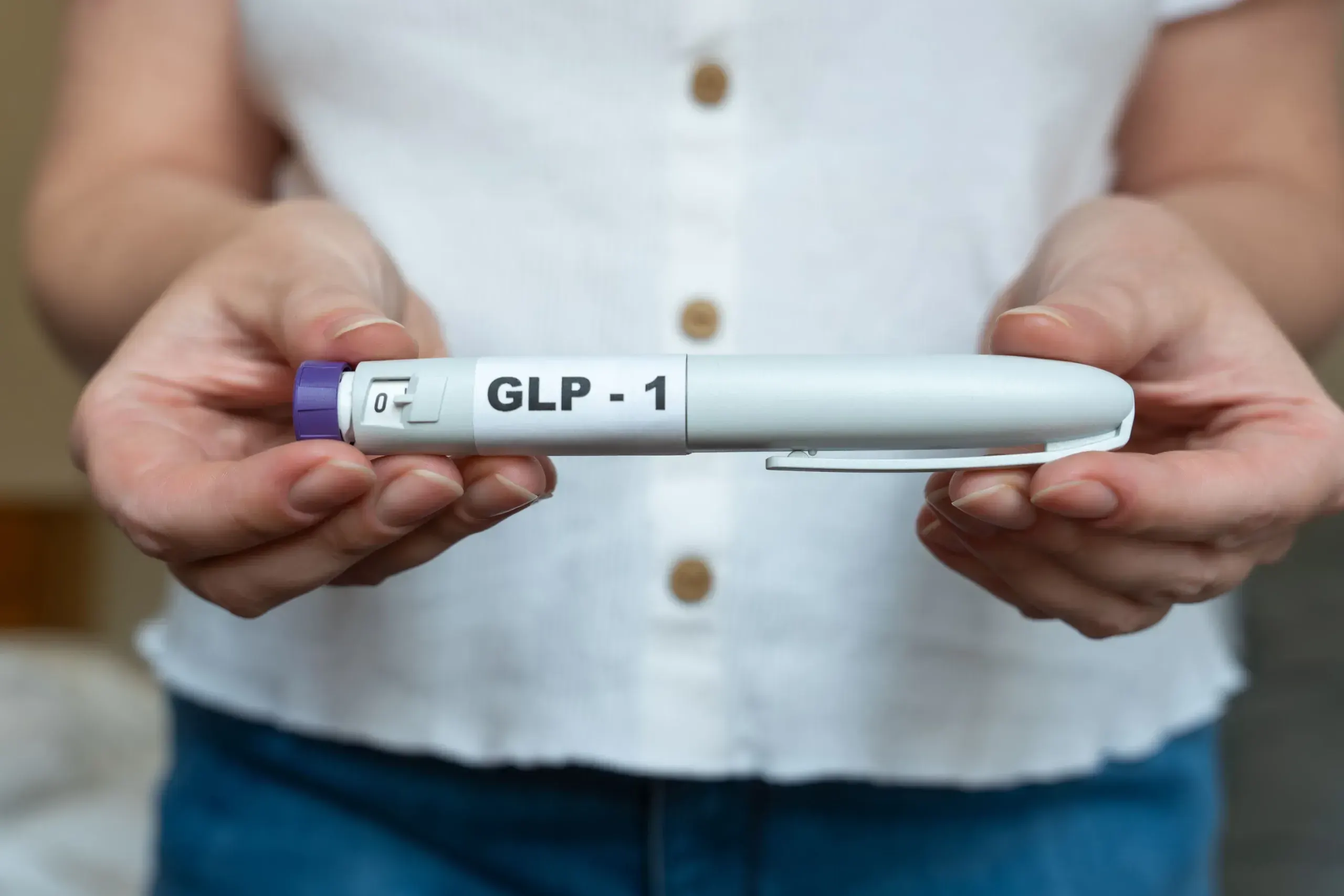 Featured treatment Semaglutide (GLP-1) Weight Loss Physician-supervised, once-weekly GLP-1 injections that curb appetite and support steady, lasting weight loss.
 Obesity Treatment FAQs
Answers to questions patients ask most
Is obesity really a disease, or is it about willpower?
Obesity is recognized as a chronic medical disease, not a failure of willpower. It is driven by genetics, hormones and metabolism that make weight loss physiologically hard to sustain. This is why medical and surgical treatments work when diets alone often do not. At Bodiatrics, we treat the biology behind your weight with compassion and evidence-based care.
Will losing weight actually improve my health?
Yes. Even a 5 to 10 percent weight loss can lower blood pressure, improve blood sugar and ease strain on the heart and joints. Larger losses from GLP-1 medications or bariatric surgery can put type 2 diabetes into remission for many patients. Weight loss also reduces risks tied to sleep apnea, fatty liver and heart disease.
What weight loss treatments does Bodiatrics offer?
Bodiatrics offers the full spectrum of care under one physician. Options include medically supervised GLP-1 therapy, dietitian support and coaching, and advanced bariatric surgery. Dr. Johnson matches the plan to your biology and goals. Explore our medical weight loss options and surgical solutions to learn more.
How do you decide which treatment is right for me?
We start with data. Our baseline testing measures body composition, metabolic rate and key labs to reveal how your body stores fat and burns energy. Combined with your health history and BMI, this shows Dr. Johnson whether medication, surgery or a combined approach will give you the safest, most effective result.
When should I see a doctor about my weight?
See a doctor if your BMI is 30 or higher, or 27 or higher with a condition like diabetes, high blood pressure or sleep apnea. You should also seek care if diet and exercise have not produced lasting results, or if weight is affecting your health or mobility. Early treatment prevents complications and improves long-term outcomes.
Is bariatric surgery safe?
Modern bariatric surgery is very safe, with perioperative mortality typically around 0.1 to 0.3 percent, lower than many common operations. Procedures like the gastric sleeve are performed minimally invasively for faster recovery. Dr. Johnson, a board-certified bariatric surgeon with over 20 years of experience, thoroughly screens every candidate to ensure surgery is appropriate and safe.
Do GLP-1 medications like semaglutide work?
Yes. In clinical trials, once-weekly semaglutide produced about 15 percent average body-weight reduction, and tirzepatide reached up to about 21 percent. These medications lower appetite and slow digestion, making it easier to eat less. Results are strongest when combined with nutrition and lifestyle support, which our team provides throughout treatment.
Schedule Your Consultation
Medical References
- Wilding et al., N Engl J Med. (2021). STEP 1 trial: once-weekly semaglutide 2.4 mg produced about 15 percent mean body-weight reduction in adults with obesity. PMID: 33567185.
- Jastreboff et al., N Engl J Med. (2022). SURMOUNT-1 trial: tirzepatide produced up to about 21 percent mean body-weight reduction. PMID: 35658024.
- Schauer et al., N Engl J Med. (2017). STAMPEDE 5-year results: bariatric surgery plus medical therapy improved glycemic control over medical therapy alone in type 2 diabetes. PMID: 28199805.
- Chang et al., JAMA Surgery. (2014). Systematic review and meta-analysis: bariatric surgery is effective with low perioperative mortality of about 0.1 to 0.3 percent. PMID: 24352617.
- National Institute of Diabetes and Digestive and Kidney Diseases. Overweight and Obesity: definitions, health risks and treatment. niddk.nih.gov.
- Centers for Disease Control and Prevention. Adult Obesity Facts and health consequences. cdc.gov.