
Leg Swelling: Causes and Vein Treatment in Suwanee, GA
Persistent swelling in one or both legs often points to a treatable venous problem. We find the cause and treat it at the source.
- Common In
- Adults over 40, pregnancy, long standing/sitting
- Primary Causes
- Chronic venous insufficiency, faulty vein valves
- Treatment Time
- In-office visits, 30 to 60 minutes
- Results
- Reduced swelling once the vein cause is treated



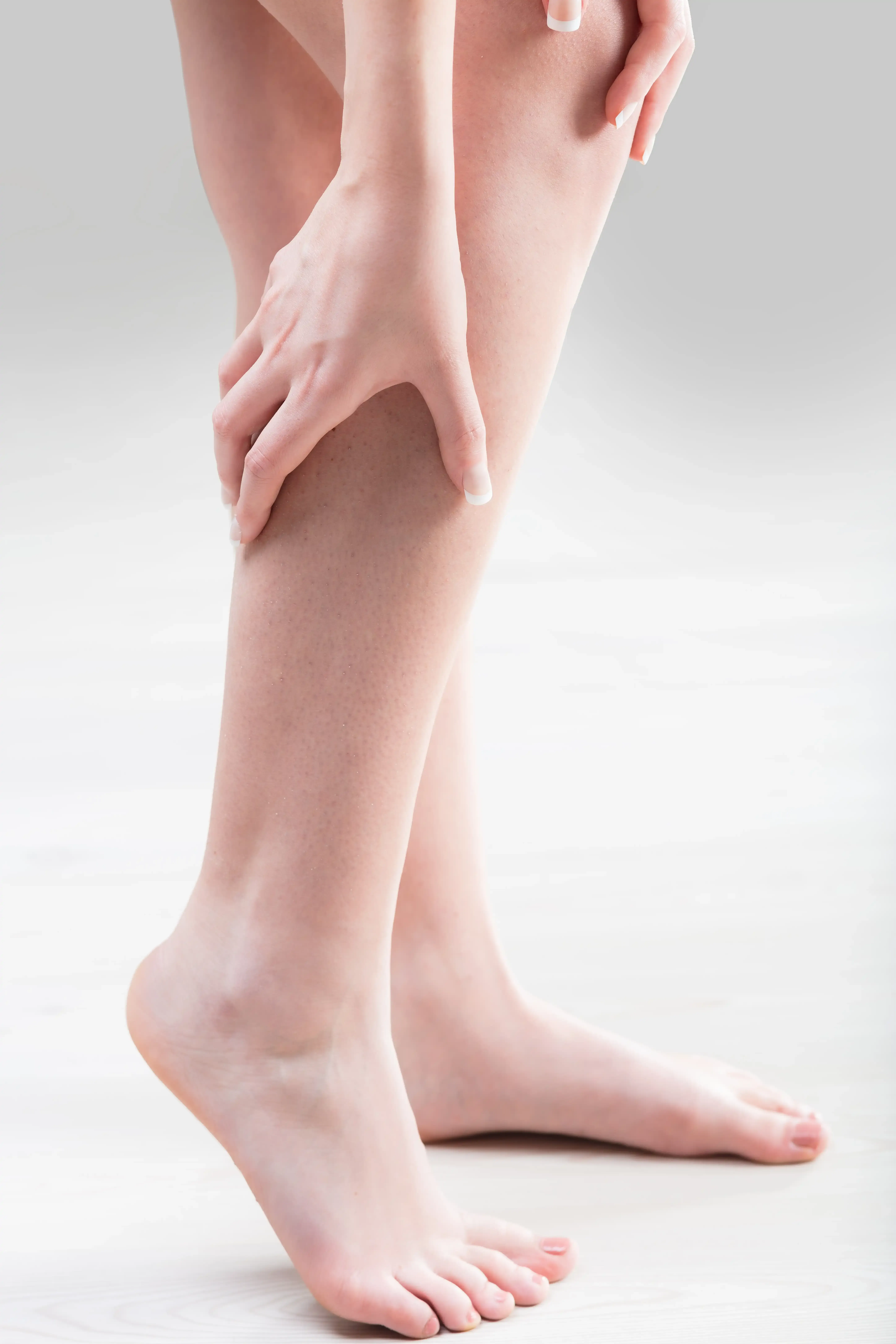
What Leg Swelling Tells You
Leg swelling treatment in Suwanee, GA at Bodiatrics starts with a proper evaluation of the cause. Swollen legs and ankles are one of the most common reasons people search for swollen legs treatment, yet the fluid buildup is usually a signal rather than the real problem: when leg veins cannot move blood efficiently back toward the heart, pressure rises in the lower legs and fluid leaks into surrounding tissue, leaving skin tight, shiny or indented after you press it. Dr. Will Johnson, MD, FACS treats patients from Johns Creek, Alpharetta, Duluth, Cumming and across Metro Atlanta.
A symptom worth investigating, not ignoring
At Bodiatrics, we take a find-the-cause approach. Dr. Will Johnson, MD, FACS, is a board-certified vein surgeon and Medical Director of the Vein Center at Johns Creek, so your swelling is evaluated by a physician who understands both the circulatory and whole-body drivers behind it. Rather than masking the symptom, we identify the venous source and match you to the right care.
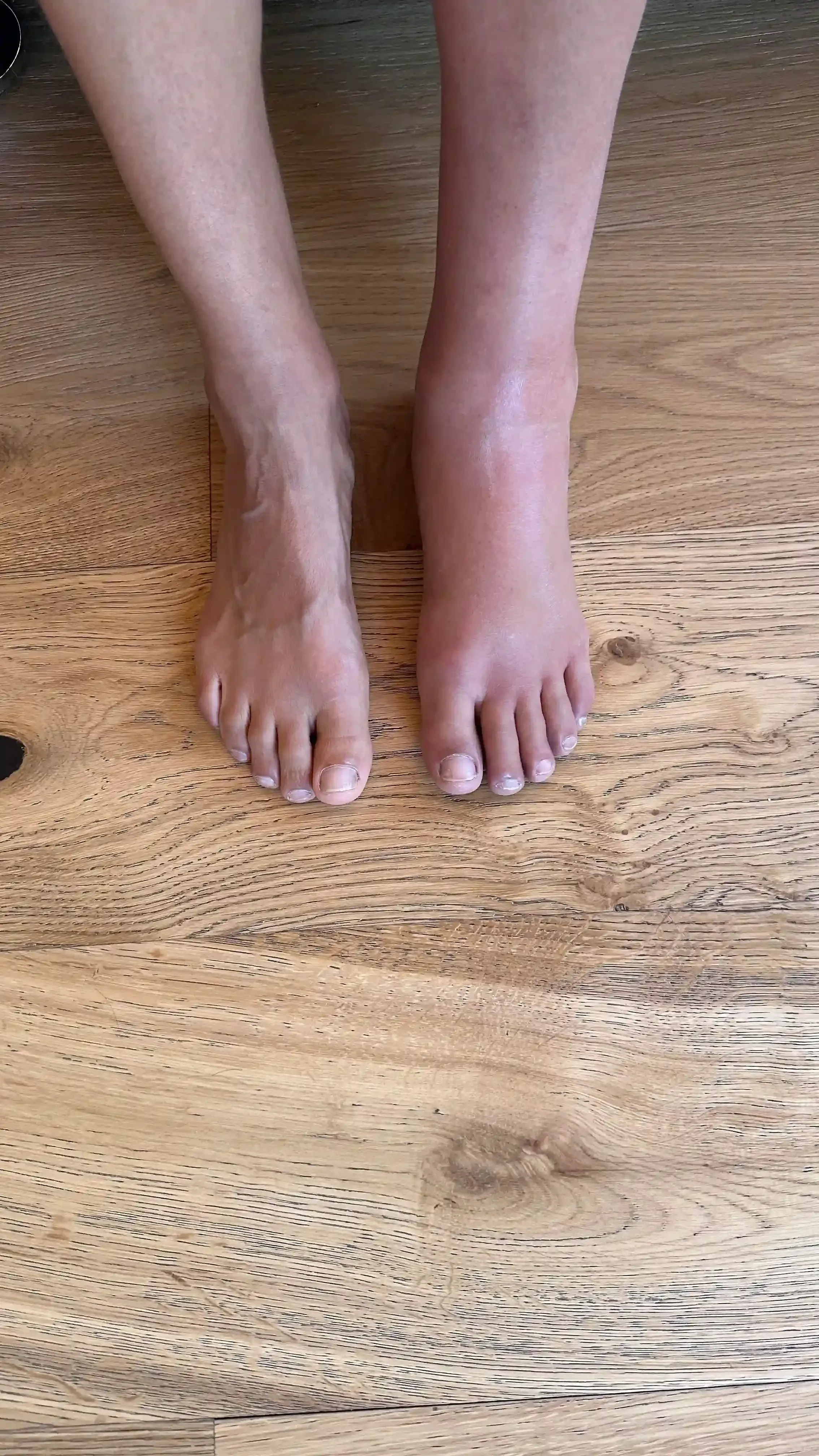
The Venous Cause Behind Swollen Legs
Faulty valves and rising pressure
Healthy leg veins rely on one-way valves that keep blood flowing upward against gravity. When those valves weaken or fail, blood pools in the lower legs, a condition called chronic venous insufficiency. The resulting pressure pushes fluid out of the veins and into the tissue, producing the swelling, heaviness, and aching many patients feel by the end of the day.
Because the swelling is a downstream effect, lasting relief depends on correcting the underlying vein disease. A focused vein evaluation through our comprehensive vein treatment program uses ultrasound to map exactly which veins are not working, so treatment targets the true source instead of chasing the symptom.
What Contributes to Leg Swelling
Leg swelling can have several overlapping drivers. A vein evaluation helps separate a venous cause from other factors so treatment fits your situation.
-
Chronic Venous Insufficiency
Failing vein valves let blood pool in the legs, the most common treatable cause.
-
Varicose Veins
Enlarged, twisted surface veins raise pressure and push fluid into nearby tissue.
-
Prolonged Standing or Sitting
Long hours upright or seated slow the calf pump that helps push blood upward.
-
Excess Body Weight
Added weight increases pressure on leg veins and worsens fluid buildup.
-
Pregnancy and Hormones
Increased blood volume and hormonal changes strain leg veins during pregnancy.
-
Age and Family History
Vein walls and valves weaken over time and vein disease often runs in families.
What Happens If Leg Swelling Is Left Untreated
Small changes add up over time
Ongoing venous swelling is more than a cosmetic nuisance. Over time, persistent pressure can lead to skin discoloration around the ankles, dryness and itching, hardened tissue, and in advanced cases slow-healing venous leg ulcers. Treating the vein problem early helps prevent these complications and often relieves the fatigue and aching that swelling brings.
Once an evaluation pinpoints the source, minimally invasive options can close or seal the faulty veins so blood reroutes through healthy ones. For larger, rope-like veins, our varicose vein treatment options address the visible bulging veins driving the pressure, while the VenaSeal closure procedure seals a damaged vein with medical adhesive and typically requires little to no downtime. Because Dr. Johnson also leads a physician-directed weight and wellness program, patients whose swelling is worsened by extra weight can address that factor at the same clinic.
Expert Leg Swelling and Vein Care in Suwanee
Physician-led, source-first evaluation
-
Board-Certified Vein Surgeon
Dr. Johnson leads the Vein Center at Johns Creek and brings vascular surgical expertise.
-
Find-the-Cause Ultrasound
Diagnostic mapping shows exactly which veins are driving your swelling.
-
Minimally Invasive Options
In-office treatments seal faulty veins with little to no downtime.
-
Whole-Person Approach
We address weight and metabolic factors that can worsen leg swelling.
Treatment Options for the Vein Causes of Leg Swelling
A quick comparison of vein treatments used to relieve the venous causes behind leg swelling.
| Treatment | How It Works | Best For | Downtime | Results Timeline |
|---|---|---|---|---|
| Varicose Vein Treatment | Closes or removes bulging surface veins to reduce venous pressure | Visible varicose veins driving swelling | Minimal, most resume normal activity same day | Swelling eases over weeks as circulation improves |
| VenaSeal | Seals the faulty vein with medical adhesive to reroute blood | Chronic venous insufficiency and refluxing veins | Little to none, no compression stockings required | Progressive relief over several weeks |
| Sclerotherapy | Injected solution collapses smaller problem veins | Spider veins and small feeder veins adding to swelling | Minimal, brief compression recommended | Treated veins fade over a few weeks to months |

Signs Your Leg Swelling May Be Vein-Related
Symptoms that point to a venous cause
If you recognize several of these signs, a vein evaluation can help pinpoint the cause of your swelling.
- Swelling That Worsens by Evening
- Heaviness or Aching Legs
- Visible or Bulging Veins
- Skin Indents When Pressed
- Skin Changes Near the Ankles
- Swelling in One Leg
Services That Treat This
How we help, matched to your needs.
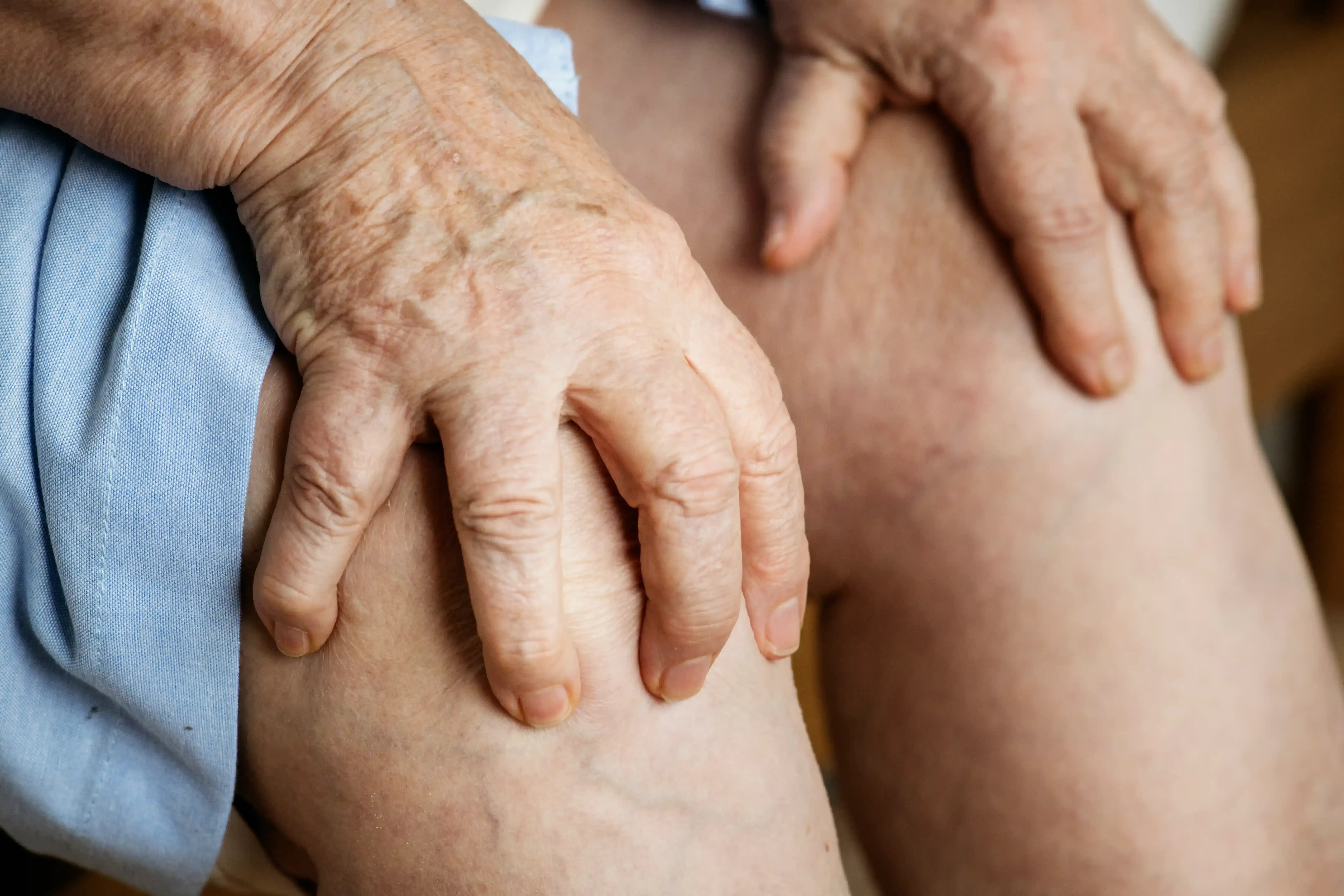 Featured treatment Varicose Vein Treatment Minimally invasive, image-guided care that closes diseased veins and eases the pain, swelling and heaviness varicose veins cause.
 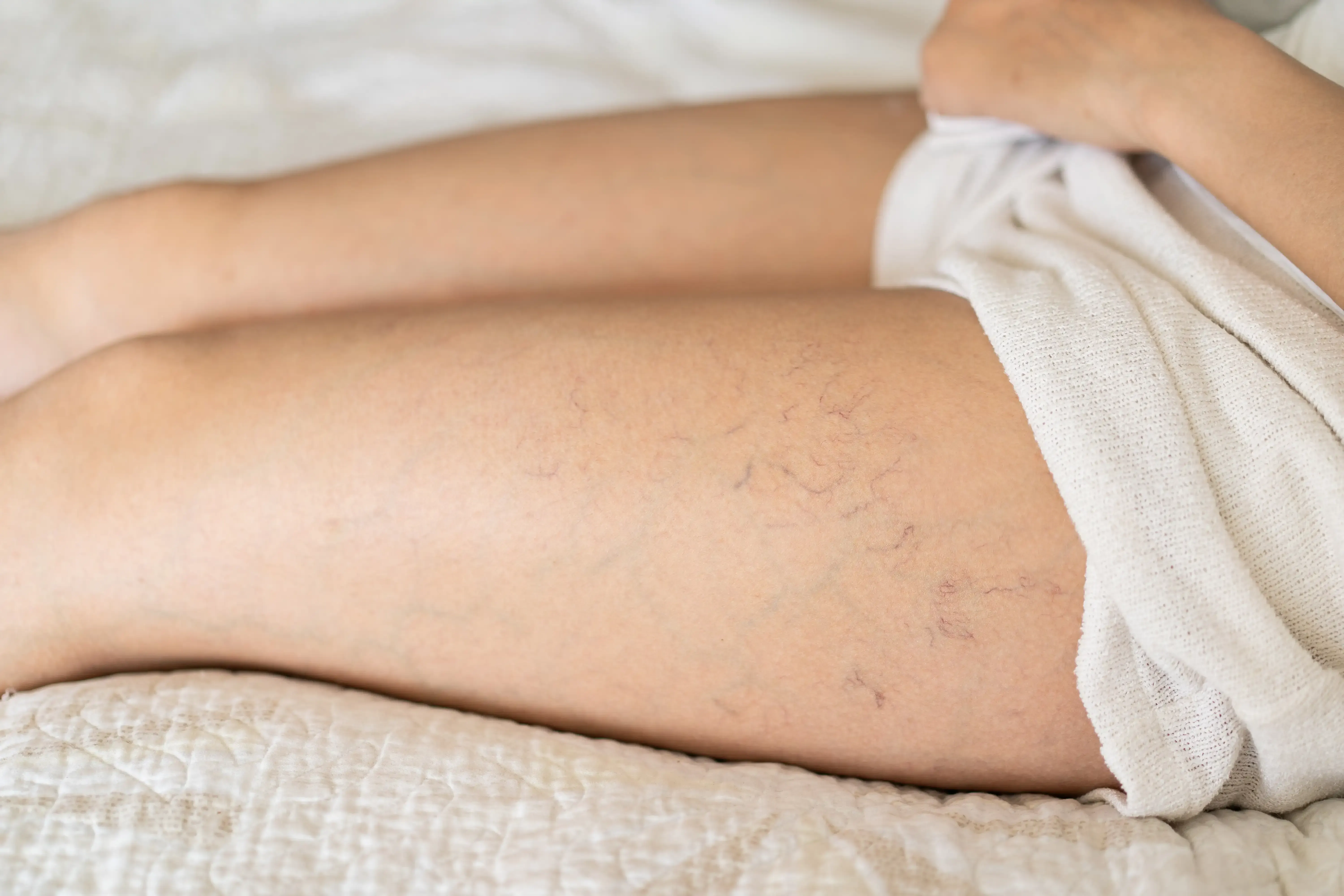 Featured treatment VenaSeal A gentle, FDA-cleared way to close diseased leg veins using medical adhesive, with no heat, no tumescent numbing, and same-day return to your routine.
 Leg Swelling: Frequently Asked Questions
Answers about causes, testing, and treatment
What causes leg swelling?
The most common treatable cause is chronic venous insufficiency, where weakened vein valves let blood pool in the legs and push fluid into surrounding tissue. Prolonged standing or sitting, varicose veins, excess weight, pregnancy, and age can all contribute. Because swelling is usually a symptom of an underlying vein problem, an evaluation is the best way to find the real source.
When should I see a doctor about swollen legs?
See a doctor if swelling is persistent, worsening, affects one leg more than the other, or comes with skin changes, aching, or heaviness. Sudden swelling with pain, redness, or warmth in one leg needs urgent care to rule out a blood clot. A vein evaluation can determine whether a treatable venous cause is behind ongoing swelling.
Will treating my veins reduce the swelling?
Yes, in most cases. When leg swelling is caused by failing vein valves, sealing or closing the faulty veins lets blood reroute through healthy ones and lowers the pressure that forces fluid into tissue. Many patients see swelling ease over the weeks following treatment. Our varicose vein treatment and VenaSeal options target the venous source directly.
What does a vein evaluation involve?
A vein evaluation uses a painless ultrasound to map blood flow in your leg veins and identify which valves are not working. This shows whether chronic venous insufficiency or varicose veins are driving your swelling. Based on the findings, Dr. Johnson recommends a treatment plan aimed at the true cause rather than the symptom.
Can losing weight help with leg swelling?
It often helps. Excess body weight increases pressure on the leg veins and can worsen fluid buildup, so reaching a healthier weight may reduce swelling for some patients. Because Bodiatrics is a physician-led weight and wellness clinic, we can address weight alongside any vein treatment for a more complete result.
Is leg swelling ever a sign of something serious?
It can be. While venous causes are common, swelling can also relate to heart, kidney, or liver conditions, or to a blood clot when it appears suddenly in one leg with pain or warmth. That is why an evaluation matters. Dr. Johnson assesses your circulation and overall health to identify the cause and, when needed, coordinate appropriate care.
Are the vein treatments painful or require long recovery?
Modern vein treatments are minimally invasive and generally well tolerated. Procedures like VenaSeal use medical adhesive to seal the vein with little to no downtime, and most patients return to normal activities the same day. Your specific experience depends on which treatment fits your veins, which is determined during your evaluation.
Schedule Your Consultation
Medical References
- American Vein and Lymphatic Society. Chronic venous insufficiency and leg swelling: patient information. myavls.org.
- Society for Vascular Surgery. Chronic venous insufficiency and varicose veins overview. vascular.org.
- National Heart, Lung, and Blood Institute (NIH). Varicose veins and venous disease causes and symptoms. nhlbi.nih.gov.
- U.S. Food and Drug Administration. VenaSeal closure system clearance information. fda.gov.