
Single Incision Bariatric Surgery in Suwanee, GA: One Hidden Scar, Faster Healing
A single incision gastric sleeve performed through one small opening hidden inside the belly button, for the same results with a nearly invisible scar.
- Time
- 45-90 minutes
- Hospital Stay
- 1 night typical
- Excess Wt Loss
- 60-80%
- Incision
- 1 hidden



Single Incision Gastric Sleeve Care
Single incision gastric sleeve in Suwanee, GA is a minimally invasive weight-loss procedure performed through one small incision hidden inside the belly button, delivering the same gastric sleeve results with a nearly invisible scar. We proudly serve patients from Johns Creek, Alpharetta, Duluth, Cumming and across Metro Atlanta who want a discreet, comfortable path to lasting weight loss.
Your surgery is performed by Dr. Will Johnson, MD, FACS, a board-certified bariatric and vein surgeon with more than 20 years of experience. Duke-trained and Medical Director of the Vein Center at Johns Creek, Dr. Johnson offers single incision, traditional laparoscopic, and robotic approaches, recommending the technique that is safest for your anatomy rather than a one-size-fits-all option.

When Visible Scars Hold You Back From Single Incision Surgery
For many patients, the decision to pursue weight-loss surgery comes with a quiet worry about the scars left behind. Traditional laparoscopic bariatric surgery uses four to six small incisions across the abdomen, and while each is small, they remain visible over time. If you spend time at the beach or the pool, work out regularly at the gym, or simply value your privacy, those marks can feel like permanent reminders of a deeply personal decision. Some patients also want to feel confident in their body again after all the work of losing weight, not carry visible evidence of the procedure that helped them get there.
Understanding Cosmetic Concerns
Single incision laparoscopic surgery answers those concerns by concentrating everything into one small opening inside the belly button. There is no line of scars across the abdomen. Instead, the incision heals within the natural fold of the navel, so once it settles most people cannot tell anything was done. The stomach is altered exactly the same way as a standard sleeve, so your weight-loss results are unchanged. Some patients also report less early soreness and easier first-day movement with only one incision site to care for. The outcome is the same effective procedure, with a nearly invisible cosmetic result.
What Is Single Incision Gastric Sleeve Surgery?
Single incision bariatric surgery, also called single incision laparoscopic surgery, SILS or single port surgery, performs the gastric sleeve through one 2 to 3 centimeter incision inside the belly button instead of several. A multi-channel port carries the camera and instruments, and the operation itself is unchanged.
Studies comparing single port and multi-port sleeve gastrectomy found no significant difference in leaks or bleeding, and the ASMBS calls the sleeve well established. Weight loss depends on the procedure, not the incision style, inside our bariatric surgery program in Suwanee, GA.
- Treatment Time
- 45-90 minutes (time in the operating room)
- Hospital Stay
- 1 night (typically home the next day)
- Full Effect
- 12-18 months (60-80% of excess weight)
- Recovery
- 2-4 weeks (back to most activities)
Conditions Treated by Single Incision Bariatric Surgery
Single incision bariatric surgery does more than support weight loss - it helps treat and improve serious obesity-related conditions. Dr. Will Johnson at Bodiatrics uses it to address:
-
Obesity & Excess Weight
For patients with a high BMI who haven't achieved lasting results through diet and exercise, surgery offers a proven path to sustained weight loss.
-
Type 2 Diabetes
Bariatric surgery can dramatically improve blood sugar control and, in many patients, lead to remission of type 2 diabetes.
-
High Blood Pressure
Significant weight loss often reduces hypertension, easing strain on the heart and lowering the need for medication.
-
Sleep Apnea
Losing excess weight can relieve obstructive sleep apnea, improving sleep quality and reducing dependence on CPAP therapy.
-
High Cholesterol
Surgery and the lifestyle changes that follow help lower cholesterol and triglyceride levels, reducing cardiovascular risk.
-
Joint Pain & Mobility Issues
Reducing excess weight relieves pressure on knees, hips, and the back, easing chronic joint pain and improving mobility.
Benefits of Single Incision Gastric Sleeve
A Nearly Invisible Scar
2000+ Satisfied patients






- 01
Hidden Scar
The single incision heals inside the belly button and is nearly invisible
- 02
Same Results
Identical weight loss to a standard multi-port gastric sleeve
- 03
One Incision Site
Fewer wounds to care for than a four to six incision approach
- 04
Less Early Soreness
Many patients report smoother movement in the first days
- 05
Minimally Invasive
Small access point with typically one overnight hospital stay
- 06
Renewed Confidence
No visible abdominal reminders of having had surgery
Single Incision Surgery vs. Alternatives
Single incision surgery delivers the same weight loss as a standard sleeve through one hidden belly button incision, best for suitable candidates.
| Treatment | Mechanism | Time | Results | Duration | Downtime | Best For |
|---|---|---|---|---|---|---|
| Single Incision Sleeve | One belly button incision | 45-90 min | 60-80% excess weight | Long-term | 2-4 weeks | Scar-conscious candidates |
| Gastric Sleeve Surgery | 4-6 small incisions | 45-90 min | 60-80% excess weight | Long-term | 2-4 weeks | Most sleeve candidates |
| Robotic Bariatric Surgery | Robot-assisted precision | 1-2 hours | 60-80% excess weight | Long-term | 2-4 weeks | Complex anatomy |
| Gastric Bypass Surgery | Stomach and intestine reroute | 2-3 hours | 60-80% excess weight | Long-term | 3-6 weeks | Severe reflux or diabetes |

Who Is a Good Candidate for Single Incision Surgery?
Single incision surgery is a strong option for patients who want the benefits of a gastric sleeve with a nearly invisible scar, but it is not the right fit for everyone. Candidacy is confirmed during a consultation with Dr. Will Johnson, who reviews your anatomy, BMI, and surgical history.
Ideal Candidates for Single Incision Surgery
- Adults with a BMI generally between 35 and 50 seeking lasting weight loss
- Patients with no major prior abdominal surgeries or extensive scar tissue
- Anatomy that is well suited to single-incision access
- A strong preference for minimal, discreet scarring
- Good overall health and realistic expectations about recovery and results
Who Should Wait or Avoid Single Incision Surgery
- Very high BMI, generally above 50 to 55
- A history of multiple abdominal surgeries or expected scar tissue
- Anatomy that requires more surgical working space for safety
- Pregnancy or breastfeeding
When single incision is not the safest choice, Dr. Johnson may recommend traditional gastric sleeve surgery instead. The goal is always the safest, most effective outcome for you.
What Happens During Single Incision Surgery
Anesthesia
Single Incision
Sleeve Creation
Closure
Recovery
Risks and Side Effects
What to Know
-
Common Side Effects
After a single incision gastric sleeve, patients may experience temporary nausea, fatigue, soreness at the incision, and changes in appetite. These typically improve over the first one to two weeks as the body adjusts and healing progresses. Report severe pain, fever, or persistent vomiting to your surgical team promptly.
-
Rare Complications
All sleeve gastrectomies share the same risks regardless of incision count. These include staple line leak, with roughly a 1 to 3 percent risk, along with bleeding, blood clots, infection, reflux, stricture, and the need for lifelong vitamin supplementation. A small risk of umbilical hernia at the single incision site is minimised by careful closure.
-
Experience Matters
Single incision surgery is more technically demanding than a multi-port sleeve, so surgeon experience matters more than usual. Studies show complication rates comparable to traditional sleeve gastrectomy in experienced hands. For general procedure information, the American Society for Metabolic and Bariatric Surgery offers patient guidance.

Single Incision Surgery Cost in Suwanee
Pricing and Payment Options
How Much Does Single Incision Surgery Cost in Suwanee?
The cost of single incision gastric sleeve depends on several factors, including your anatomy, medical history, whether the procedure is covered by insurance, and the level of pre-op and follow-up care your plan includes. Because pricing is personalized, exact figures are discussed during your consultation so you receive a clear, individualized estimate. Insurance coverage is based on medical necessity and the procedure itself, not the incision method.
Flexible Payment Options
For patients paying out of pocket or covering a portion of the cost, we offer financing to make treatment more manageable.
- Cherry - simple monthly payment plans with a quick approval process
- CareCredit - a healthcare credit line for medical and surgical care
Learn more about payment plans on our bariatric surgery financing page, and our team will walk you through every option during your visit.
Why Choose Bodiatrics for Single Incision Surgery in Suwanee
Suwanee's Trusted Bariatric Surgeon
-
Experienced Surgeon
20-plus years and specialized single-incision, Duke-trained expertise
-
Multiple Techniques
Single incision, traditional laparoscopic, and robotic options offered
-
Honest Guidance
Recommendations based on your anatomy and safety, never a default technique
-
Long-Term Support
Ongoing care and follow-up that continues well beyond the operating room
Related Treatments
Complementary treatments to support your goals.
 Featured treatment Gastric Sleeve Surgery A minimally invasive sleeve gastrectomy that reduces stomach size to support steady, durable weight loss.
 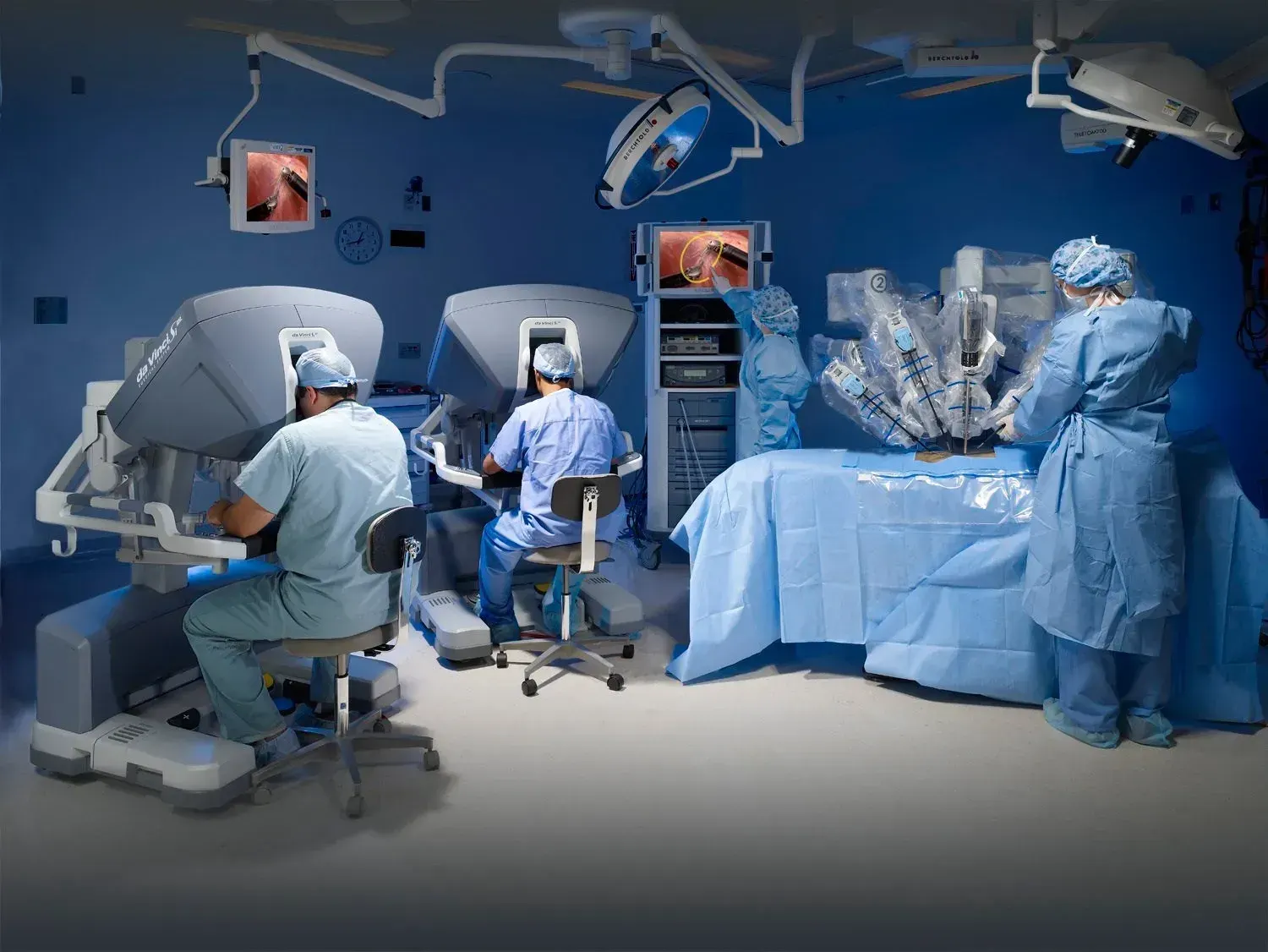 Featured treatment Robotic Bariatric Surgery Console-guided precision, enhanced 3D vision and fine surgical control from a board-certified bariatric surgeon.
 Frequently Asked Questions About Single Incision Surgery
Your Questions Answered
How much does single incision surgery cost?
Single incision bariatric surgery cost varies by patient, so exact pricing is discussed at your consultation. Factors include your anatomy, surgical history, and insurance coverage, which is based on medical necessity and the procedure itself, not the incision method. We offer Cherry and CareCredit financing to help make treatment manageable when you pay out of pocket.
How long do single incision surgery results last?
The results are long-term. Single incision gastric sleeve permanently reduces stomach size, and most patients lose 60 to 80 percent of excess weight over 12 to 18 months. Lasting success depends on following your post-op diet, taking vitamins, staying active, and attending follow-up visits, which our team supports well beyond surgery.
Does single incision surgery hurt?
Surgery is performed under general anesthesia, so you feel nothing during the procedure. Afterward, most patients report manageable soreness at the belly button, and some notice less early discomfort than with multiple incisions since there is only one site to heal. Your team provides a comfort plan for recovery.
When will I see results after single incision surgery?
Weight loss usually begins in the first weeks after surgery. Most patients see steady progress through the first several months, with peak results reached over 12 to 18 months. The belly button incision also fades over time and becomes nearly invisible as it heals within the natural fold of the navel.
Is single incision surgery safer than traditional surgery?
It is not safer, but it is equally safe in experienced hands. Studies comparing single port and multi-port sleeve gastrectomy show similar complication rates. What matters most is surgeon experience and proper patient selection, not the number of incisions, which is why candidacy is confirmed at your consultation.
What is the difference between single incision and traditional gastric sleeve?
The difference is access, not the operation. Traditional laparoscopic surgery uses four to six small incisions, while single incision surgery uses one hidden opening in the belly button. The stomach is altered the same way and weight loss is identical. Compare it with our standard gastric sleeve surgery when planning your treatment.
Can men get single incision surgery?
Yes. Single incision gastric sleeve is appropriate for both men and women who meet the candidacy criteria. Suitable candidates generally have a BMI between 35 and 50, no major prior abdominal surgeries, and anatomy well suited to single-incision access. Dr. Johnson evaluates each patient individually during consultation.
Will insurance cover single incision surgery?
Insurance coverage is based on medical necessity and the sleeve procedure itself, not the incision method used. Many plans cover bariatric surgery when documented criteria are met. Our team helps verify your benefits and explains any out-of-pocket costs, plus Cherry and CareCredit financing options, during your consultation.
Is single incision surgery available for both sleeve and bypass?
In many cases it can be, though candidacy depends on your anatomy and surgical history. Single incision access is most commonly used for the gastric sleeve. Dr. Johnson will determine whether single incision is safe for your situation or whether robotic bariatric surgery or a traditional approach is a better fit.
Who is not a good candidate for single incision surgery?
Single incision may not be ideal if you have a very high BMI, generally above 50 to 55, a history of multiple abdominal surgeries with scar tissue, or anatomy that needs more surgical working space. In those situations, traditional laparoscopy or robotic surgery can be safer, and Dr. Johnson will explain why.
Schedule Your Single Incision Bariatric Surgery Consultation
References
- Salminen et al., JAMA. (2018). The SLEEVEPASS randomized trial found sleeve gastrectomy and gastric bypass produced similar 5-year weight loss. PMID: 29340676.
- Peterli et al., JAMA. (2018). The SM-BOSS randomized trial reported comparable 5-year weight loss between sleeve gastrectomy and Roux-en-Y gastric bypass. PMID: 29340679.
- Chang et al., JAMA Surgery. (2014). A systematic review and meta-analysis found bariatric surgery effective with low perioperative mortality of about 0.1 to 0.3 percent. PMID: 24352617.
- Schauer et al., N Engl J Med. (2017). STAMPEDE 5-year results showed bariatric surgery plus medical therapy improved glycemic control in type 2 diabetes. PMID: 28199805.
- American Society for Metabolic and Bariatric Surgery. (2024). Overview of sleeve gastrectomy and minimally invasive bariatric procedures.