
Weight Regain After Bariatric Surgery: Options and Support in Suwanee, GA
Get Back on Track With Your Goals
- Common In
- 2+ years post-surgery
- Primary Causes
- Pouch stretch, habits, hormones
- Treatment Time
- Ongoing plan
- Results
- Renewed weight control




What Is Weight Regain After Bariatric Surgery?
Weight regain after bariatric surgery in Suwanee, GA is treated at Bodiatrics as a medical pattern, not a personal failure. It describes the gradual return of lost weight in the years following a gastric sleeve, gastric bypass or other bariatric procedure; some regain is expected, but when the pounds keep climbing it signals that the underlying biology, anatomy or daily habits need renewed attention. We support bariatric patients from Johns Creek, Alpharetta, Duluth, Cumming and across Metro Atlanta.
When you notice the scale creeping up despite your efforts, or your appetite returning to pre-surgery levels, you are experiencing one of the most common long-term challenges bariatric patients face. This is not a personal failure. It is a physiological and behavioral pattern that responds well to the right support.
Recognizing the Signs
Many patients describe feeling discouraged or even embarrassed, worried that they have undone their hard work. The reality is that weight regain is manageable, and combining surgical, medical, and coaching resources can help you regain control of your health.

Why Weight Regain Happens
Understanding the Root Causes
After bariatric surgery, the stomach pouch and outlet can gradually stretch over months and years, allowing larger meals and reducing the early fullness signal that made portions feel satisfying. Studies from the National Institute of Diabetes and Digestive and Kidney Diseases show that anatomical changes and metabolic adaptation both contribute to regain over time.
Your body also fights weight loss through powerful hormonal drivers. Hunger hormones such as ghrelin can rise while fullness signals fall, pushing appetite back toward baseline. When these shifts combine with a stretched pouch, portions grow and cravings return, and the weight gradually follows.
Anatomy is only part of the story. Old eating patterns, grazing on calorie-dense foods, and reduced physical activity often re-emerge once the initial post-surgical momentum fades. When a stretched anatomy, a hungrier metabolism, and returning habits stack together, regain accelerates. Options such as bariatric revision surgery can restore restriction when appropriate.
What Drives Weight Regain After Surgery?
Identifying Your Triggers
Several interconnected factors drive weight regain after bariatric surgery, often working together to slowly undo the progress achieved in the first year or two.
-
Pouch or Stoma Dilation
The stomach pouch and its outlet can stretch over time, allowing larger portions and weakening the early fullness signal that once limited how much you ate.
-
Metabolic Adaptation
After major weight loss, your body burns fewer calories at rest and increases hunger hormones, making a lower weight harder to sustain.
-
Dietary Drift
Grazing, liquid calories, and slipping back into calorie-dense foods gradually raise daily intake well beyond what surgery alone can restrict.
-
Reduced Activity
As post-surgery motivation fades, physical activity often drops, lowering energy output and loosening the habits that protected weight loss.
-
Hormonal Shifts
Ghrelin, leptin, and other appetite hormones can drift back toward pre-surgery levels, intensifying cravings and blunting satiety.
-
Emotional and Stress Eating
Life stress, poor sleep, and emotional triggers can reactivate old coping patterns that lead to unplanned eating and steady regain.
Why Regain Deserves Early Attention
How Metabolic Adaptation Affects Results
Metabolic adaptation is the process by which your body lowers its resting energy expenditure after significant weight loss, burning fewer calories at rest than it did before. This protective response, rooted in survival biology, makes maintaining a lower weight genuinely harder and helps explain why regain can feel so relentless.
Leaving regain unaddressed matters because returning weight often brings back the very health risks surgery aimed to resolve, including elevated blood sugar, high blood pressure, and joint strain. Catching the trend early gives you more, and less invasive, options than waiting until a large portion of lost weight has returned.
The good news is that regain responds to layered support. A structured medical weight loss program can pair GLP-1 medication with metabolic testing, while ongoing weight loss coaching rebuilds the daily habits that protect your surgical investment.
Why Choose Bodiatrics for Weight Regain After Bariatric Surgery in Suwanee, GA
Expert Care in Suwanee
-
Board-Certified Surgeon
Dr. Johnson evaluates whether pouch dilation or anatomy calls for revision, and performs revision surgery when it is the right choice.
-
Full Spectrum of Options
We combine revision surgery, GLP-1 medical weight loss, and coaching so your plan fits the true cause of your regain.
-
Root-Cause Evaluation
We assess anatomy, metabolism, and habits together rather than assuming a single fix will solve a complex problem.
-
Long-Term Partnership
Our team supports you well beyond the initial visit with ongoing coaching and monitoring to protect your results.
Treatment Options Comparison
Compare the main paths for addressing weight regain after bariatric surgery to find the approach that fits your anatomy and goals.
| Treatment | How It Works | Best For | Downtime | Results Timeline |
|---|---|---|---|---|
| Bariatric Revision Surgery | Restores restriction or converts anatomy | Pouch dilation or failed prior surgery | 1-3 weeks | Progressive over months |
| Semaglutide (GLP-1) Weight Loss | Reduces appetite and cravings | Hormone-driven hunger and regain | None | Weeks to months |
| Weight Loss Coaching | Rebuilds nutrition and lifestyle habits | Dietary drift and behavior patterns | None | Ongoing improvement |

You May Be Experiencing Weight Regain After Bariatric Surgery If...
Recognizing When to Seek Help
Recognizing the signs of weight regain after bariatric surgery helps you understand when professional support might be beneficial for getting your progress back on track. Reviewing your options with bariatric revision surgery or medical support is a strong first step.
- Rising Scale
- Returning Hunger
- Larger Portions
- Old Habits Back
- Worsening Health Markers
- Discouragement
Services That Treat This
How we help, matched to your needs.
 Featured treatment Bariatric Revision Surgery Surgical revision of a previous weight-loss procedure to correct weight regain, complications, or an underperforming sleeve or bypass.
 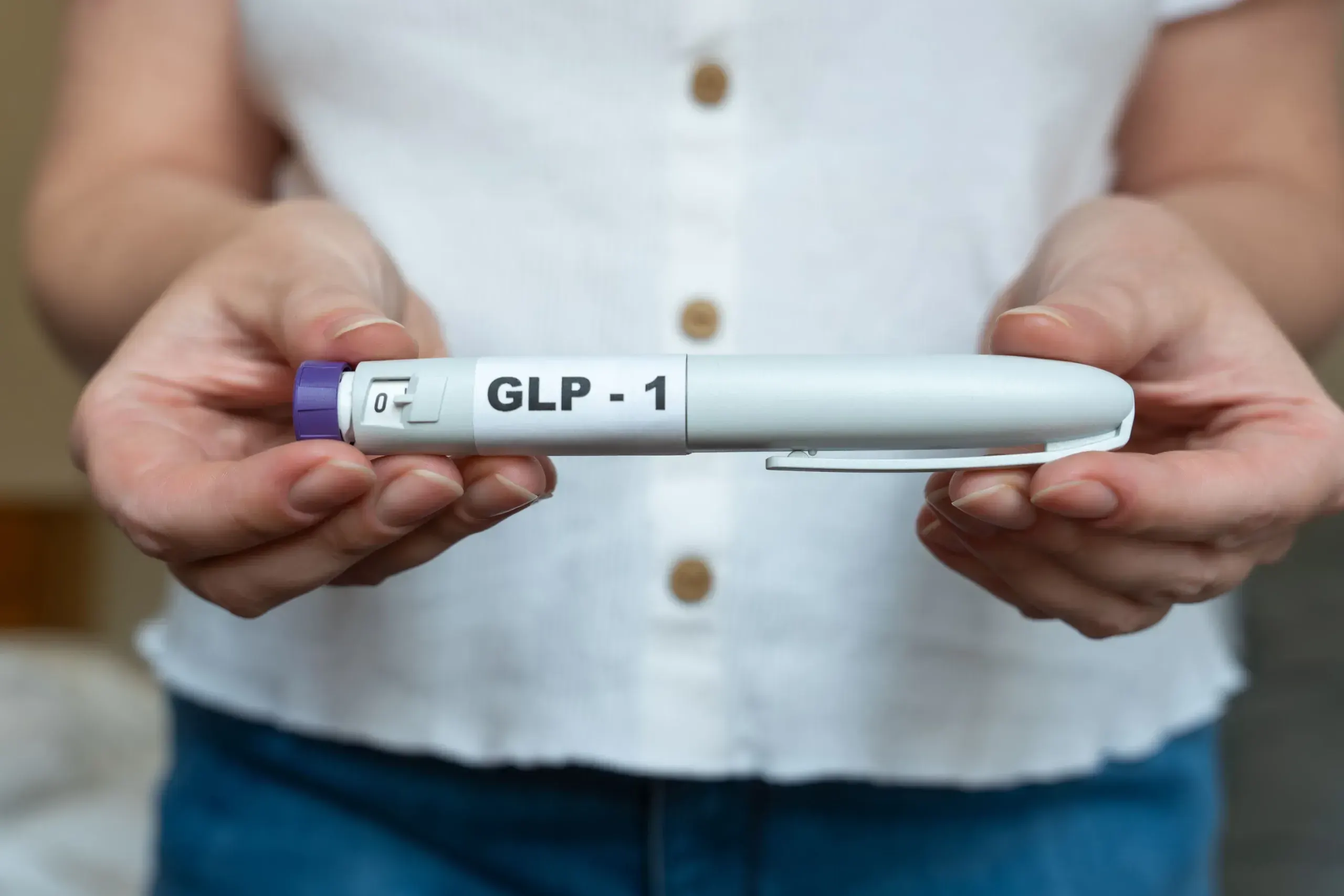 Featured treatment Semaglutide (GLP-1) Weight Loss Physician-supervised, once-weekly GLP-1 injections that curb appetite and support steady, lasting weight loss.
 Frequently Asked Questions
About Weight Regain After Bariatric Surgery
Is some weight regain after bariatric surgery normal?
Yes, a modest regain of some lost weight is common and expected in the years after surgery. It becomes a concern when the trend continues or a large share of lost weight returns. Early evaluation gives you more options, so it helps to check in with a provider rather than waiting.
Why am I regaining weight after my gastric sleeve?
Weight regain after gastric sleeve usually reflects a combination of factors. The stomach pouch can stretch over time, appetite hormones drift back toward baseline, and old eating and activity habits often re-emerge. A thorough evaluation identifies which of these drivers is most active for you so treatment can target the real cause.
Can revision surgery fix weight regain?
Revision surgery can help when regain is driven by a stretched pouch, a dilated outlet, or a previous procedure that no longer provides enough restriction. Dr. Johnson evaluates your anatomy to determine whether bariatric revision surgery is appropriate, since it is not the right answer for every patient experiencing regain.
Do GLP-1 medications help after bariatric surgery?
Yes, GLP-1 medications such as semaglutide can be an effective option for regain, especially when hormone-driven hunger is a main factor. Clinical trials show semaglutide produces meaningful weight reduction, and it can complement your surgery by curbing appetite and cravings without another operation. We assess whether it fits your health profile.
Will coaching alone stop my weight regain?
For some patients, structured coaching that rebuilds nutrition, activity, and stress-management habits is enough to reverse regain. For others, coaching works best alongside medical or surgical support. We often combine weight loss coaching with medical weight management so the daily habits and the underlying biology are addressed together.
When should I see a doctor about weight regain?
See a provider when the scale trends upward for several months, your appetite returns to pre-surgery levels, or health markers like blood sugar or blood pressure worsen. Catching regain early means less invasive options are still on the table. A timely evaluation helps you regain control before more weight returns.
Can I combine several treatments for weight regain?
Yes, combining approaches is often the most effective strategy. Many patients benefit from pairing medical weight loss medication with ongoing coaching, and some add revision surgery when anatomy is the driver. We build a layered plan matched to the specific factors behind your regain rather than relying on a single tool.
Schedule Your Consultation
Scientific References
- Salminen et al., JAMA. (2018). The SLEEVEPASS randomized trial found sleeve gastrectomy and gastric bypass produced similar 5-year weight loss, informing revision decisions. PMID: 29340676.
- Peterli et al., JAMA. (2018). The SM-BOSS randomized trial reported comparable 5-year weight loss between sleeve gastrectomy and Roux-en-Y gastric bypass. PMID: 29340679.
- Wilding et al., N Engl J Med. (2021). The STEP 1 trial showed once-weekly semaglutide 2.4 mg produced about 15 percent mean body-weight reduction, supporting its use for regain. PMID: 33567185.
- National Institute of Diabetes and Digestive and Kidney Diseases. (2023). Patient guidance on bariatric surgery, long-term outcomes, and weight regain management.