
Sclerotherapy in Suwanee, GA: Proven Injections That Erase Problem Veins
Physician-led liquid and foam sclerotherapy that closes spider and varicose veins for smoother, more comfortable legs.
- Time
- 15 to 45 min
- Downtime
- Minimal, same day
- Sessions
- Typically 2 to 4
- Anesthesia
- None needed


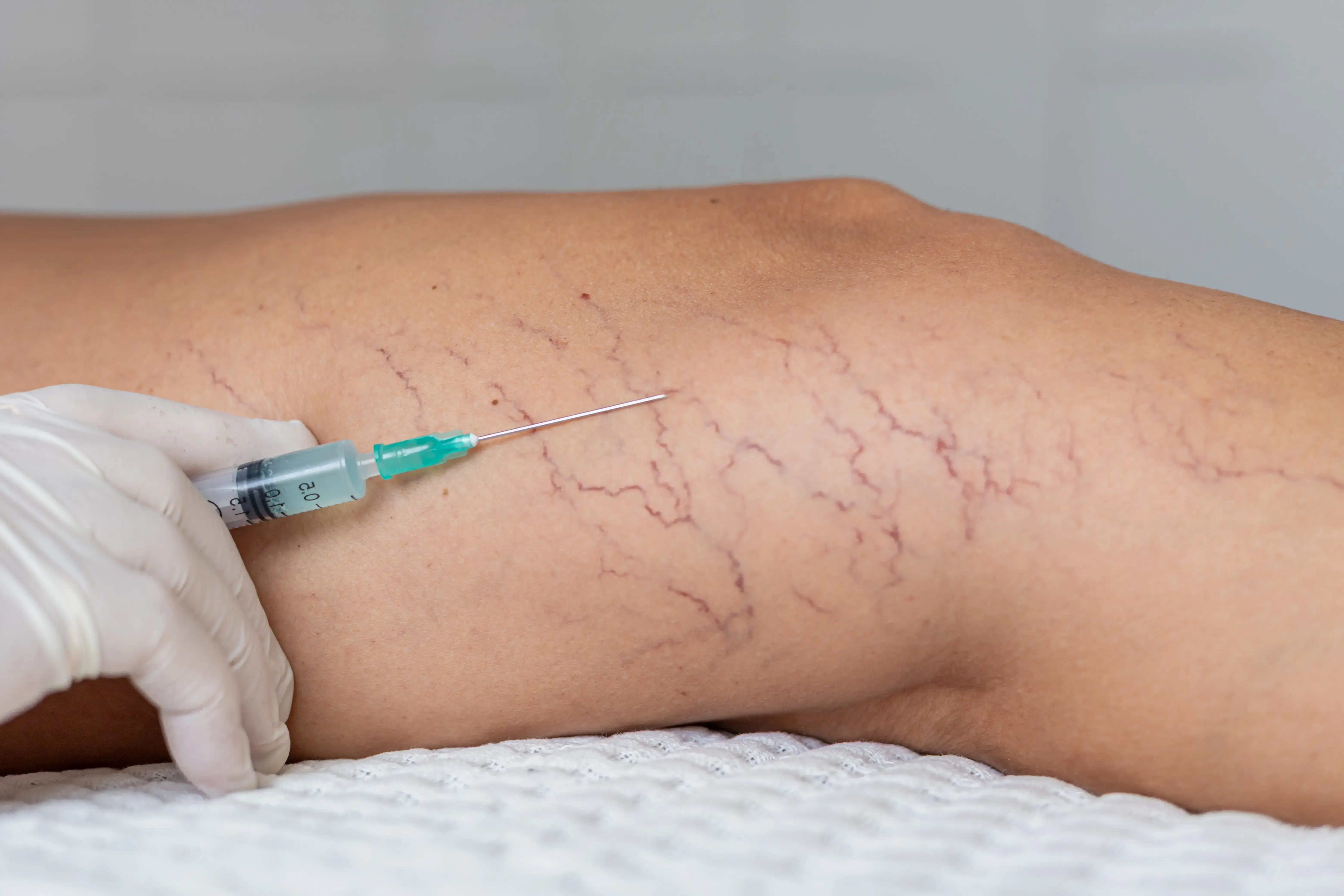
Sclerotherapy: Targeted Injections for Spider and Varicose Veins
Sclerotherapy in Suwanee, GA is a proven injection treatment that collapses problem veins from the inside, proudly serving patients from Johns Creek, Alpharetta, Duluth, Cumming and across Metro Atlanta. A solution injected directly into the vein irritates its lining so it seals shut and fades.
Your care is led by Dr. Will Johnson, MD, FACS, a board-certified bariatric and vein surgeon with more than 20 years of experience and Duke surgical training. As Medical Director of the Vein Center at Johns Creek, Dr. Johnson brings deep vascular expertise to every liquid and foam injection treatment plan.
Understanding Problem Veins and How Sclerotherapy Helps
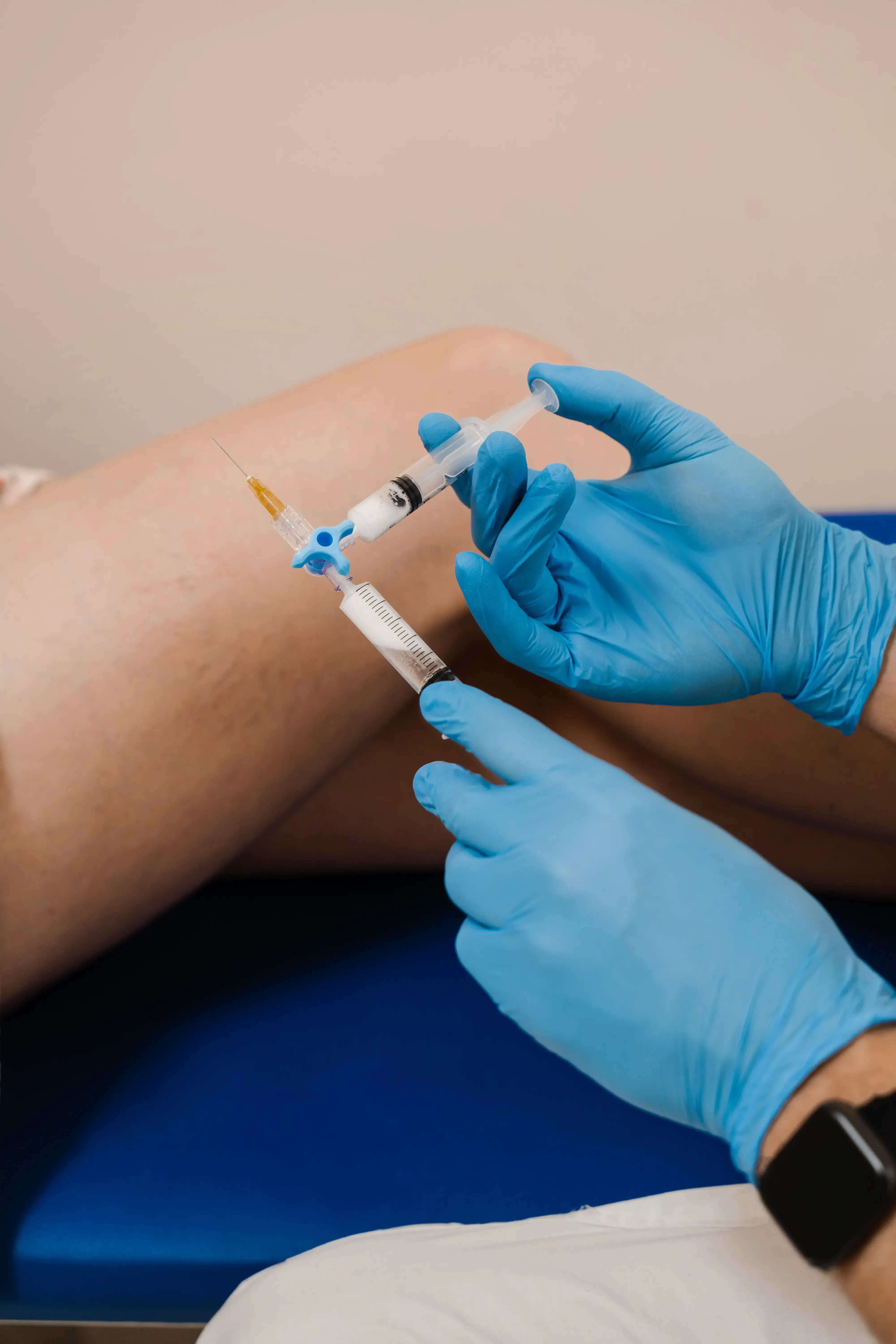
Spider veins and small varicose veins are more than a cosmetic nuisance. They appear when tiny valves inside the vein weaken and allow blood to pool and flow backward, a process called venous reflux. Over time the pressure stretches the vessel walls, creating the visible red, blue, or purple webs on the thighs, calves, and ankles. Many patients also notice aching, heaviness, throbbing, itching, or restless legs by the end of the day. Left untreated, these veins tend to multiply and darken, and larger feeder veins can lead to swelling and skin changes.
The treatment addresses the problem at its source rather than hiding it. A fine needle delivers a sclerosing solution into the targeted vein, irritating the lining so the vessel walls stick together and seal. Blood naturally reroutes to healthy deeper veins, and the treated vein is gradually absorbed by the body and fades from view. Liquid sclerotherapy handles fine spider veins, while foam and ultrasound-guided injections tackle larger or deeper vessels. Because it is minimally invasive and needs no surgery or anesthesia, most patients return to normal activity the same day with only compression stockings for support.
What Is Sclerotherapy?
Sclerotherapy treats spider veins and smaller varicose veins by injecting a sclerosant directly into the vessel. The solution irritates the lining so the vein collapses, scars closed and is reabsorbed, and the American Vein and Lymphatic Society calls it first-line for many superficial veins.
Liquid closes fine surface veins, foam fills larger vessels and ultrasound guidance places deeper injections precisely; Varithena is a prefilled microfoam option. Blood reroutes through healthy veins with no loss of circulation, so results build session by session across our vein treatments in Suwanee, GA.
- Treatment Time
- 15 to 45 minutes (per session)
- First Signs
- 2 to 6 weeks (fading begins)
- Full Effect
- 3 to 4 months (after the final session)
- Recovery
- Same day (return to most activity)
Vein Concerns Sclerotherapy Addresses
Sclerotherapy does more than fade visible veins - it closes the vessels causing the aching and heaviness behind them. Dr. Will Johnson at Bodiatrics uses it to address:
-
Spider Veins
Fine red, blue, or purple webs on thighs, calves, and ankles
-
Small Varicose Veins
Bulging surface veins too small for ablation but visible and bothersome
-
Reticular Veins
Bluish feeder veins that fuel clusters of surface spider veins
-
Heavy, Aching Legs
Leg heaviness, throbbing, and fatigue tied to superficial venous reflux
-
Recurrent Veins
Vessels that return after prior treatment or feed from deeper sources
-
Vein-Related Swelling
Mild ankle and lower-leg swelling driven by leaky surface veins
Why Patients Choose Sclerotherapy
2000+ Satisfied patients






- 01
No Surgery
Minimally invasive injections with no incisions or general anesthesia
- 02
Minimal Downtime
Most patients walk out and resume daily activities the same day
- 03
Proven Results
A long-established technique that closes veins for good in most cases
- 04
Quick Sessions
Each visit typically takes 15 to 45 minutes in the office
- 05
Symptom Relief
Eases aching, heaviness, and throbbing tied to problem veins
- 06
Versatile
Liquid, foam, and ultrasound-guided options fit veins of many sizes
Sclerotherapy vs Other Vein Treatments
Compare sclerotherapy with other vein options so you and Dr. Johnson can match the right technique to your veins.
| Treatment | Mechanism | Time | Results | Duration | Downtime | Best For |
|---|---|---|---|---|---|---|
| Sclerotherapy | Injected solution irritates and seals the vein | 15 to 45 min | Veins fade over weeks | Long-lasting; new veins possible | Minimal, same day | Spider and small varicose veins |
| Varithena | Prefilled microfoam fills and closes the vein | About 1 hour | Vein closes and fades | Long-lasting closure | Minimal | Larger or tortuous saphenous veins |
| Vein Ablation | Heat energy closes the vein from inside | 45 to 60 min | Reflux stops quickly | Durable closure | 1 to 2 days light activity | Large refluxing truncal veins |
| VenaSeal | Medical adhesive seals the vein shut | About 1 hour | Immediate closure | Durable closure | Little to none | Truncal veins, no compression needed |

Is Sclerotherapy Right for You?
Sclerotherapy suits most healthy adults bothered by spider veins or small varicose veins, though a consultation with Dr. Johnson confirms the right approach for you. If larger veins are involved, he may recommend combining treatment with other vein treatments in Suwanee, GA for lasting results.
Ideal Candidates for Sclerotherapy
- Adults with visible spider veins or small varicose veins on the legs
- People with leg heaviness, aching, or throbbing from superficial reflux
- Patients who prefer a minimally invasive alternative to surgery
- Those in good general health with realistic expectations
- Patients who can wear compression stockings after each session
Who Should Wait or Avoid Sclerotherapy
- Those who are pregnant or breastfeeding
- Patients with a history of blood clots or clotting disorders
- People with an active infection or wound in the treatment area
- Anyone with a known allergy to the sclerosing solution
- Patients who cannot walk regularly or wear compression after treatment
During your visit, Dr. Johnson reviews your health history and may use ultrasound to check for deeper reflux before recommending a plan.
What Happens During Sclerotherapy
Consultation
Preparation
Injection
Compression
Recovery
Sclerotherapy Risks and Side Effects
What to Know
-
Common, Temporary Effects
Most patients notice mild bruising, redness, small raised welts, or a stinging sensation at the injection sites. Treated veins may look darker or feel firm for a few weeks before fading. Brown lines or spots along the vein, called hyperpigmentation, can appear and usually resolve over several months without any treatment.
-
Less Common Risks
Rarely, patients experience tiny new surface vessels near the treated area, temporary skin sores, an allergic reaction to the solution, or, very rarely, a blood clot in a deeper vein. Call the office promptly if you notice worsening pain, significant swelling, or signs of infection so the leg can be checked the same day.
-
Safety and Oversight
Sclerotherapy is considered very safe when performed by an experienced provider, and knowing what is normal makes it easy to spot what is not. The Society for Vascular Surgery notes that choosing a qualified vein specialist lowers the risk of complications. Dr. Johnson reviews your history and maps the veins before the first injection.

How Much Does Sclerotherapy Cost in Suwanee, GA?
The cost of sclerotherapy depends on how many veins are treated, the number of sessions needed, and whether liquid, foam, or ultrasound-guided technique is used. Cosmetic spider vein treatment is usually self-pay, while medically necessary vein care for symptoms like pain and swelling may be partially covered by insurance after evaluation.
What Affects Your Total
Larger or more widespread veins often require multiple sessions, which affects the overall investment. Because pricing is individual, we do not list fixed prices online; your exact cost is discussed at your consultation once Dr. Johnson maps your veins and builds a plan.
Payment and Financing
Bodiatrics accepts self-pay and offers financing through Cherry and CareCredit so you can spread payments over time. You can learn more about payment options on our financing and payment plans page. Our team will review estimated costs and any insurance considerations before you begin.
Expert Sclerotherapy Care in Suwanee, GA
-
Board-Certified Surgeon
Care led by Dr. Johnson, a vein and bariatric surgeon
-
Full Vein Mapping
Ultrasound assessment finds the true source of reflux
-
Tailored Technique
Liquid, foam, or ultrasound-guided based on each vein
-
Comfort-Focused Care
Fine needles and a calm office setting for easy visits
Related Treatments
Complementary treatments to support your goals.
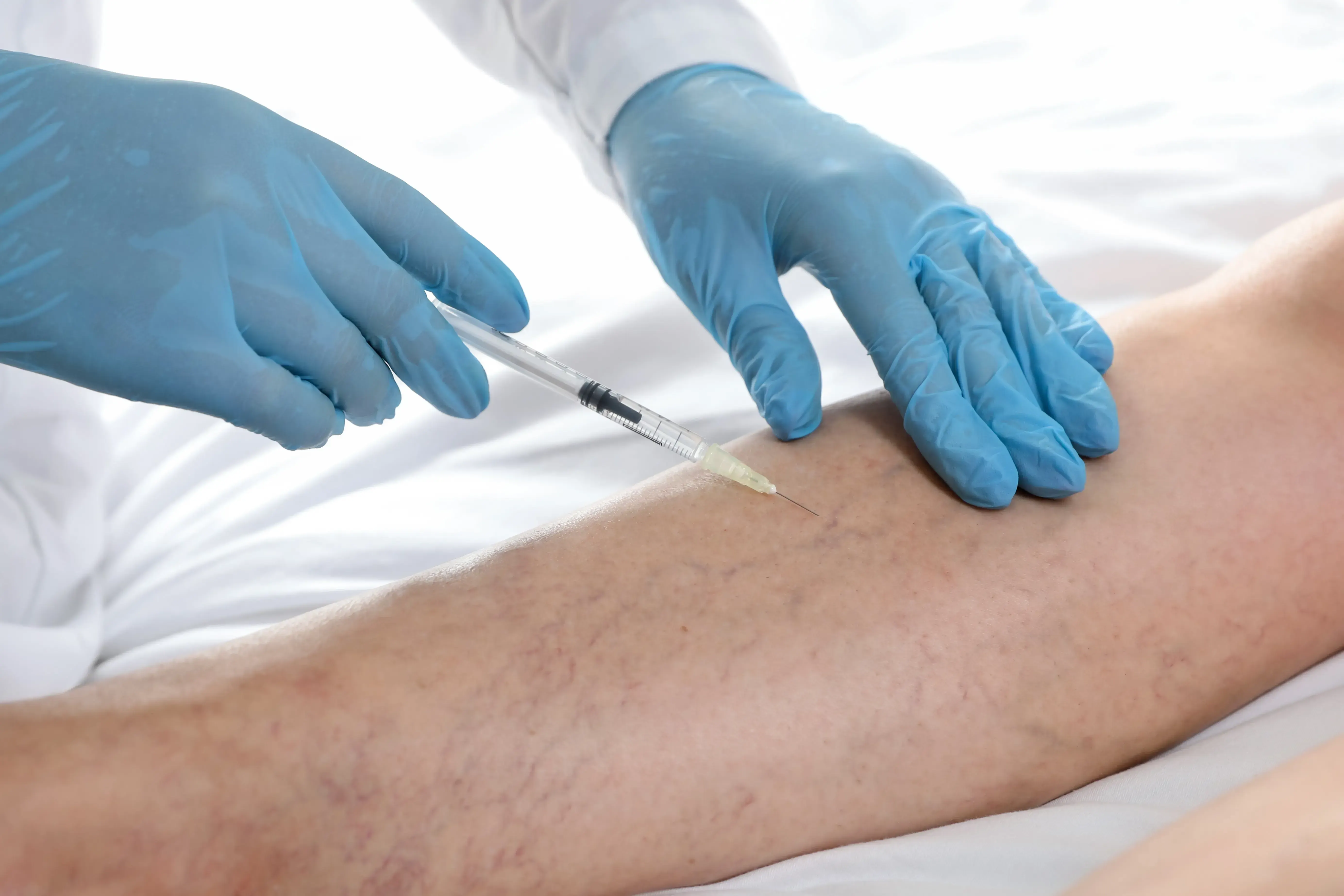 Featured treatment Varithena Physician-administered microfoam that closes diseased veins in a single visit, with no incisions and little to no downtime.
  Featured treatment Spider Vein Treatment Fade the fine red, blue and purple webs on your legs and face with quick, in-office care led by a board-certified vein surgeon.
 Sclerotherapy Frequently Asked Questions
How much does sclerotherapy cost?
Cost depends on how many veins are treated, the technique used, and the number of sessions needed. Cosmetic spider vein treatment is typically self-pay, while symptom-related vein care may qualify for partial insurance coverage. We do not post fixed prices, so your exact cost is discussed at your consultation. Bodiatrics offers financing through Cherry and CareCredit.
How long does a sclerotherapy session take?
Most sessions take about 15 to 45 minutes, depending on how many veins are treated. The treatment is done in the office with no anesthesia, so you can usually return to your normal day right afterward. Spider veins often need two to four sessions spaced a few weeks apart for the best clearance.
Does it hurt?
Most patients feel only a minor pinch or mild stinging as the solution is injected through a very fine needle. Any discomfort is brief and fades quickly. No anesthesia is needed for standard sclerotherapy. Dr. Johnson uses careful technique and a calm office setting to keep each session as comfortable as possible.
When will I see results?
Treated veins usually begin to fade within 2 to 6 weeks, with fuller results 3 to 4 months after your final session. Larger veins can take longer to disappear than fine spider veins. Because vein response varies, some patients need several sessions to reach their goal, which Dr. Johnson will outline in your plan.
How many sessions will I need?
Many patients need two to four sessions spaced a few weeks apart, though this varies with the number and size of veins. Fine spider veins may clear faster, while larger or clustered veins take more visits. Dr. Johnson maps your veins first and gives you an estimate of sessions during your consultation.
What is the difference between sclerotherapy and Varithena?
Sclerotherapy is a general technique that uses liquid or foam injections to close spider and small varicose veins. Varithena is a branded prefilled microfoam product often used for larger or twisting veins. Both close veins the same basic way. You can explore our Varithena treatment option to compare.
Is foam sclerotherapy better than liquid?
Neither is universally better; each fits different veins. Liquid sclerotherapy works well for fine surface spider veins, while foam sclerotherapy fills larger vessels and displaces blood for more contact with the vein wall. Ultrasound-guided injections adds precision for deeper veins. Dr. Johnson selects the technique based on your specific vein anatomy.
Who is a good candidate for sclerotherapy?
Most healthy adults with spider veins or small varicose veins are good candidates. It suits people who prefer a minimally invasive alternative to surgery and can wear compression afterward. Those who are pregnant, breastfeeding, or have a clotting history may need to wait or choose another option. A consultation confirms your candidacy.
Will the treated veins come back?
Once a vein is properly closed, it does not reopen; the body absorbs it over time. However, the treatment does not stop new veins from forming, so future veins can appear. Treating the underlying source of reflux and following aftercare lowers that chance. Periodic touch-up sessions keep legs clear over the long term.
Is sclerotherapy safe?
The treatment has a long safety record when performed by an experienced provider. Most side effects, like bruising, redness, or temporary skin darkening, are mild and resolve on their own. Serious complications are rare. Choosing a board-certified vein specialist such as Dr. Johnson helps keep your treatment safe and effective.
Can sclerotherapy help heavy, aching legs?
Yes, when leg heaviness and aching come from superficial venous reflux, closing the problem veins can ease those symptoms. If you have persistent leg discomfort, learn more about care for heavy and aching legs. Dr. Johnson evaluates whether deeper veins also need treatment for full relief.
Schedule Your Sclerotherapy Consultation
Clinical References
- American Vein and Lymphatic Society. (2024). Sclerotherapy is a well-established first-line treatment for spider and small varicose veins. myavls.org.
- Society for Vascular Surgery. (2024). Choosing a qualified vein specialist lowers the risk of sclerotherapy complications. vascular.org.
- U.S. Food and Drug Administration. (2024). Polidocanol and sodium tetradecyl sulfate sclerosing agents are FDA-approved for treating varicose and spider veins. fda.gov.
- U.S. Food and Drug Administration. (2013). Varithena polidocanol injectable microfoam was FDA-approved for treatment of the great saphenous vein and related varicosities. fda.gov.