
GERD and Weight: Lasting Acid Reflux Relief Through Weight Loss in Suwanee, GA
Chronic acid reflux is closely tied to excess weight. Addressing the underlying cause offers relief that antacids alone rarely deliver.
- Common In
- Adults with excess abdominal weight
- Primary Causes
- Obesity, hiatal hernia, diet, lifestyle
- Treatment Time
- Weeks to months as weight decreases
- Results
- Lasting reflux relief with weight loss




Bariatric Surgery for GERD: How Weight Loss Calms Acid Reflux
GERD and weight loss treatment in Suwanee, GA at Bodiatrics offers lasting relief when chronic acid reflux is tied to excess weight. Gastroesophageal reflux disease, or GERD, happens when stomach acid repeatedly flows back into the esophagus, causing heartburn, regurgitation and irritation. When reflux occurs more than twice a week or interferes with daily life it is a chronic condition that deserves medical attention, and for many patients bariatric surgery is a proven path to relief. We treat patients from Johns Creek, Alpharetta, Duluth, Cumming and across Metro Atlanta.
A weight-and-reflux approach that targets the root cause
Excess abdominal weight is one of the strongest drivers of persistent reflux. Extra pressure on the stomach pushes acid upward and can weaken the valve that normally keeps it contained. Because of this link, sustained weight loss frequently improves or resolves GERD. Dr. Will Johnson, a board-certified bariatric surgeon, evaluates the relationship between your weight and your symptoms to build a plan that addresses both together.

The Link Between Weight and Chronic Acid Reflux
The connection between body weight and GERD is well established. Excess fat around the abdomen raises pressure inside the stomach, which forces acid past the lower esophageal sphincter and into the esophagus. This same pressure can also contribute to a hiatal hernia, where part of the stomach slides upward through the diaphragm and worsens reflux.
For many patients, medications only mask the burning while the underlying pressure remains. This is why a durable weight-loss strategy often produces relief that antacids cannot. Our medical weight loss program can reduce that abdominal pressure gradually, while surgical options address it more decisively. When reflux is severe and tied to significant obesity, gastric bypass surgery is the preferred procedure because it both drives weight loss and diverts acid away from the esophagus.
What Causes and Worsens GERD
GERD develops when several factors combine to let stomach acid escape into the esophagus. Understanding these root causes helps explain why weight loss is so effective for many patients.
-
Excess Abdominal Weight
Extra fat around the midsection raises stomach pressure and pushes acid upward.
-
Weak Lower Esophageal Sphincter
A relaxed or weakened valve fails to keep stomach contents contained.
-
Hiatal Hernia
Part of the stomach slips through the diaphragm, worsening reflux.
-
Diet and Trigger Foods
Fatty, spicy, acidic foods, caffeine and alcohol can provoke symptoms.
-
Large or Late Meals
Overeating and eating close to bedtime increase reflux episodes.
-
Smoking
Tobacco relaxes the esophageal valve and reduces protective saliva.
The Risks of Leaving GERD Untreated
Left unmanaged, chronic acid reflux does more than disrupt sleep and meals. Repeated acid exposure can inflame and scar the esophagus, leading to narrowing, difficulty swallowing and a precancerous change called Barrett's esophagus. Persistent reflux is also associated with a higher risk of esophageal cancer over time, which makes early, root-cause treatment important.
Because obesity is such a powerful trigger, addressing weight is central to long-term control. Structured, medically supervised weight reduction through our medical weight loss pathway can ease symptoms for many patients. For those with obesity and severe reflux, gastric bypass is widely regarded as the GERD-preferred bariatric operation, since its anatomy reduces acid contact with the esophagus while producing meaningful, lasting weight loss. Dr. Johnson helps you understand which path fits your health and goals.
Why Choose Bodiatrics for GERD in Suwanee
-
Root-Cause Focus
We treat the weight driving your reflux, not just the symptoms.
-
Board-Certified Surgeon
Dr. Johnson brings extensive bariatric surgical experience.
-
Full Range of Options
From medical weight loss to gastric bypass under one roof.
-
Personalized Plans
Every recommendation is matched to your health and goals.
Comparing Weight-Focused Approaches to GERD
How weight-loss options address the excess pressure that drives chronic acid reflux.
| Treatment | How It Works | Best For | Downtime | Results Timeline |
|---|---|---|---|---|
| Gastric Bypass Surgery | Reroutes anatomy to reduce acid contact and drive major weight loss | Obesity with severe or persistent GERD | 2 to 4 weeks recovery | Reflux relief within weeks, weight loss over months |
| Semaglutide (GLP-1) Weight Loss | Weekly medication that curbs appetite and lowers abdominal pressure | Patients seeking non-surgical, gradual weight loss | None | Gradual improvement over 3 to 12 months |
| Dietitian and Nutritionist Services | Guided eating plans that reduce trigger foods and support weight loss | Anyone managing reflux through lifestyle change | None | Symptom relief within weeks of changes |

Signs You May Have GERD
GERD often shows up as more than occasional heartburn. If several of these symptoms sound familiar, it may be time for an evaluation.
- Frequent Heartburn
- Acid Regurgitation
- Chest Discomfort
- Trouble Swallowing
- Chronic Cough or Hoarseness
- Worse When Lying Down
Services That Treat This
How we help, matched to your needs.
 Featured treatment Gastric Bypass Surgery Roux-en-Y gastric bypass reshapes the digestive tract to drive significant, durable weight loss and metabolic improvement.
 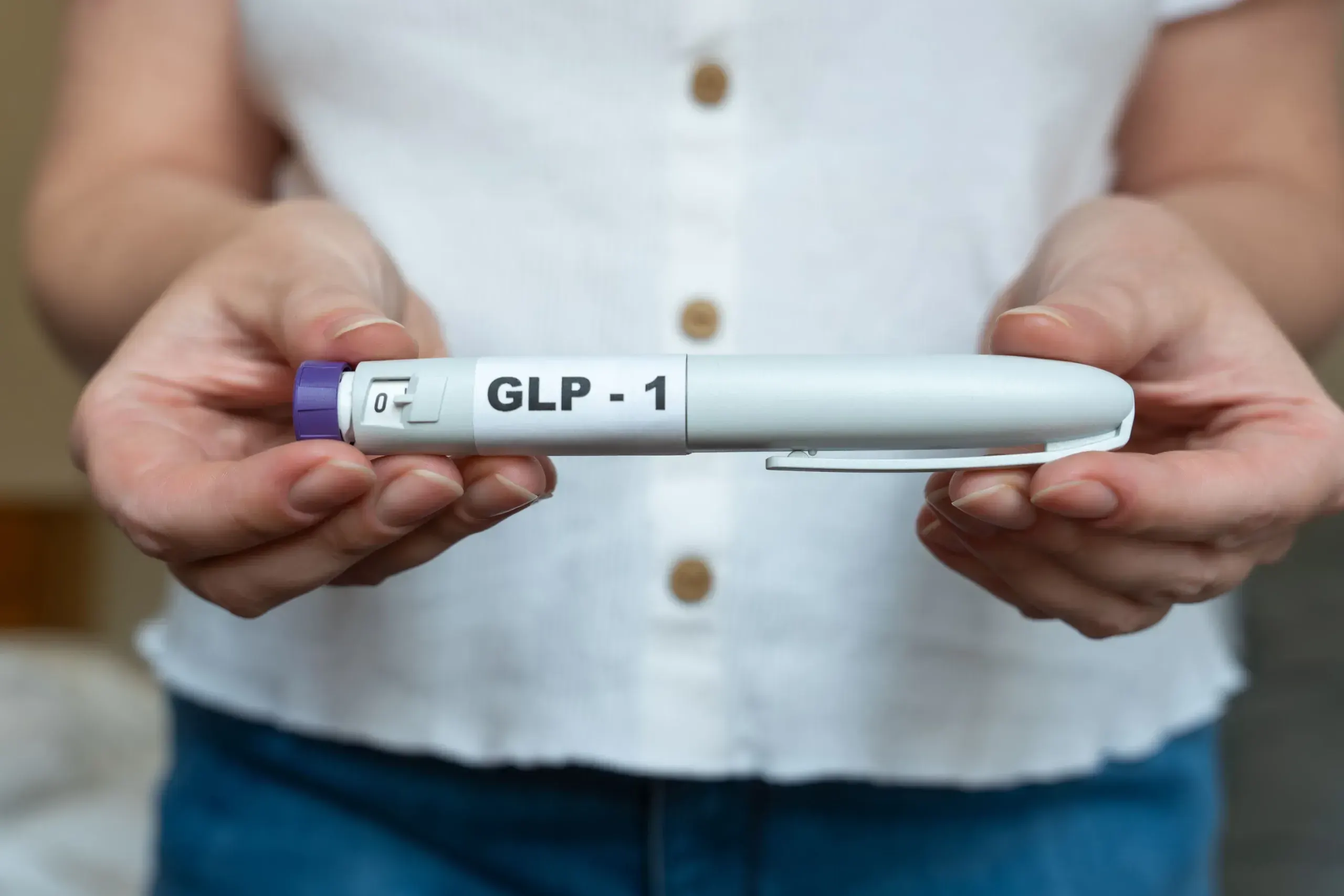 Featured treatment Semaglutide (GLP-1) Weight Loss Physician-supervised, once-weekly GLP-1 injections that curb appetite and support steady, lasting weight loss.
 GERD and Weight Loss: FAQs
Can weight loss really cure acid reflux?
For many people, yes. Excess abdominal weight raises pressure on the stomach and pushes acid into the esophagus. Losing that weight reduces the pressure and frequently improves or resolves GERD symptoms. Results vary by individual, but sustained weight loss is one of the most effective long-term strategies against chronic reflux.
Why is gastric bypass the preferred surgery for GERD?
Gastric bypass is favored because its anatomy diverts stomach acid away from the esophagus while producing significant weight loss. This dual effect makes it especially effective for patients who have both obesity and severe reflux. Dr. Johnson can explain whether gastric bypass suits your situation during a consultation.
When should I see a doctor about acid reflux?
See a doctor if you have heartburn more than twice a week, trouble swallowing, unintended weight loss, persistent nausea, or symptoms that do not improve with over-the-counter medication. Ongoing reflux can damage the esophagus over time, so early evaluation helps protect your long-term health.
Does obesity cause GERD?
Obesity is one of the strongest risk factors for GERD. Extra fat around the abdomen increases stomach pressure, weakens the valve that blocks acid, and raises the chance of a hiatal hernia. This is why weight-focused treatment often relieves reflux more durably than medication alone.
What tests are used to diagnose GERD?
Diagnosis often begins with a symptom review and may include an upper endoscopy to inspect the esophagus, pH monitoring to measure acid exposure, or imaging to detect a hiatal hernia. These tests confirm GERD and reveal any complications so your treatment plan can be tailored appropriately.
Will medication alone control my reflux?
Medications such as proton pump inhibitors can reduce acid and ease symptoms, but they often mask reflux without addressing the underlying pressure from excess weight. When obesity is the main driver, weight loss or bariatric surgery typically offers more lasting relief than long-term medication use.
Can medical weight loss help my GERD?
Yes. Medically supervised weight loss, including GLP-1 medications and dietitian support, gradually reduces abdominal pressure that fuels reflux. Many patients notice fewer symptoms as they lose weight. Our team designs a plan matched to your health, and can discuss surgery if non-surgical options are not enough.
Schedule Your Consultation
References
- Peterli et al., JAMA. (2018). SM-BOSS randomized trial showed comparable 5-year weight loss between sleeve gastrectomy and Roux-en-Y gastric bypass. PMID: 29340679.
- Schauer et al., N Engl J Med. (2017). STAMPEDE 5-year results found bariatric surgery plus medical therapy outperformed medical therapy alone for metabolic control. PMID: 28199805.
- National Institute of Diabetes and Digestive and Kidney Diseases. Acid Reflux (GER and GERD) in Adults: symptoms, causes and treatment. niddk.nih.gov.
- American Society for Metabolic and Bariatric Surgery. Bariatric surgery procedures and their effect on obesity-related conditions. asmbs.org.
- National Institute of Diabetes and Digestive and Kidney Diseases. Definition and facts for GER and GERD, including obesity as a risk factor. niddk.nih.gov.