
Heart Disease and Weight: Protect Your Heart Through Weight Loss in Suwanee, GA
Carrying excess weight strains your heart. Learn how a medically supervised weight-loss plan can lower your cardiovascular risk and support long-term heart health.
- Common In
- Adults with excess weight or obesity
- Primary Causes
- Excess body fat, high blood pressure, high cholesterol, insulin resistance
- Treatment Time
- Ongoing weight-management program
- Results
- Lower cardiovascular risk with sustained weight loss




Obesity and Heart Disease: Why Your Weight Matters
Heart disease and weight loss care in Suwanee, GA at Bodiatrics lowers cardiovascular risk by treating one of its most modifiable causes: excess body weight. When you carry extra fat, your heart works harder to circulate blood, blood pressure tends to rise, and cholesterol and blood sugar levels often climb, all of which strain the heart and arteries over time. We treat patients from Johns Creek, Alpharetta, Duluth, Cumming and across Metro Atlanta.
The weight-and-heart link explained
The encouraging news is that even a modest, sustained reduction in weight can meaningfully ease that strain. At Bodiatrics, board-certified surgeon Dr. Will Johnson, MD, FACS, helps patients address the weight that drives cardiovascular risk through structured, physician-led programs. This page explains how excess weight affects the heart and how losing weight, with medical or surgical support, can help protect it. It is educational and is not a substitute for care from your cardiologist.

How Excess Weight Strains the Heart
Excess weight affects the heart through several connected pathways. More body tissue means the heart must pump more blood, raising cardiac workload and blood pressure. Extra fat, especially around the abdomen, is metabolically active and promotes inflammation, insulin resistance, and unhealthy cholesterol patterns that accelerate plaque buildup in the arteries.
These same factors raise the risk of type 2 diabetes, sleep apnea, and fatty liver, each of which independently burdens the heart. Because these drivers cluster together, addressing weight can improve several risk factors at once. Structured programs such as our medically supervised weight-loss options and, for qualifying patients, weight-loss surgery pathways are designed to reduce the excess weight behind this cascade. For any active cardiac symptoms, always work with your cardiologist.
What Drives Weight-Related Heart Risk
Several overlapping factors connect excess weight to heart disease. Addressing the underlying weight can improve many of them at the same time.
-
Excess Abdominal Fat
Belly fat releases inflammatory signals that promote arterial plaque and insulin resistance.
-
High Blood Pressure
Extra body mass forces the heart to pump harder, raising blood pressure and cardiac workload.
-
Unhealthy Cholesterol
Excess weight often raises triglycerides and LDL while lowering protective HDL cholesterol.
-
Insulin Resistance
Obesity drives high blood sugar and type 2 diabetes, a major cardiovascular risk factor.
-
Chronic Inflammation
Excess fat tissue sustains low-grade inflammation that damages blood vessel walls.
-
Sleep Apnea
Weight-related sleep apnea strains the heart and worsens blood pressure control.
The Value of Losing Weight for Your Heart
Left unaddressed, weight-related cardiovascular risk tends to compound. Persistent high blood pressure, elevated cholesterol, and rising blood sugar can quietly damage the heart and arteries for years before symptoms appear, increasing the likelihood of heart attack, stroke, and heart failure. Understanding your personal risk factors is the first step toward changing that trajectory.
Weight loss can improve blood pressure, cholesterol, and blood-sugar control together, easing the load on your heart. A clear picture of your baseline health helps guide the plan, which is why we begin with comprehensive bloodwork and lab panels to measure lipids, glucose, and metabolic markers. From there, Dr. Johnson may recommend physician-guided medical weight loss or, for eligible patients, bariatric surgery to achieve durable results. These are weight-management services and do not replace cardiac treatment from your heart specialist.
Heart-Focused Weight Loss at Bodiatrics in Suwanee
-
Board-Certified Surgeon
Dr. Johnson brings surgical expertise and metabolic insight to every plan.
-
Data-Driven Baseline
Comprehensive bloodwork identifies the metabolic risks behind heart strain.
-
Medical and Surgical Options
From GLP-1 therapy to bariatric surgery, matched to your health and goals.
-
Coordinated Care
We work alongside your cardiologist to protect long-term heart health.
Weight-Loss Approaches That Support Heart Health
Compare weight-management options that can reduce the excess weight driving cardiovascular risk. Your plan is personalized with Dr. Johnson.
| Treatment | How It Works | Best For | Downtime | Results Timeline |
|---|---|---|---|---|
| Gastric Sleeve Surgery | Reduces stomach size to limit intake and shift metabolic hormones | Higher BMI or weight-related conditions needing durable loss | About 1 to 2 weeks | Progressive loss over 12 to 18 months |
| Semaglutide (GLP-1) Weight Loss | Weekly injection curbs appetite and improves blood sugar control | Adults seeking medical, non-surgical weight loss | None | Noticeable loss over several months |
| Comprehensive Bloodwork and Lab Panels | Measures lipids, glucose and metabolic markers to guide the plan | Anyone starting a heart-focused weight program | None | Results and plan same or next visit |

Signs Your Weight May Be Affecting Your Heart
- Rising Blood Pressure
- Shortness of Breath
- Elevated Cholesterol or Blood Sugar
- Increased Waist Size
- Fatigue and Swelling
- Sleep Apnea Symptoms
Services That Treat This
How we help, matched to your needs.
 Featured treatment Gastric Sleeve Surgery A minimally invasive sleeve gastrectomy that reduces stomach size to support steady, durable weight loss.
 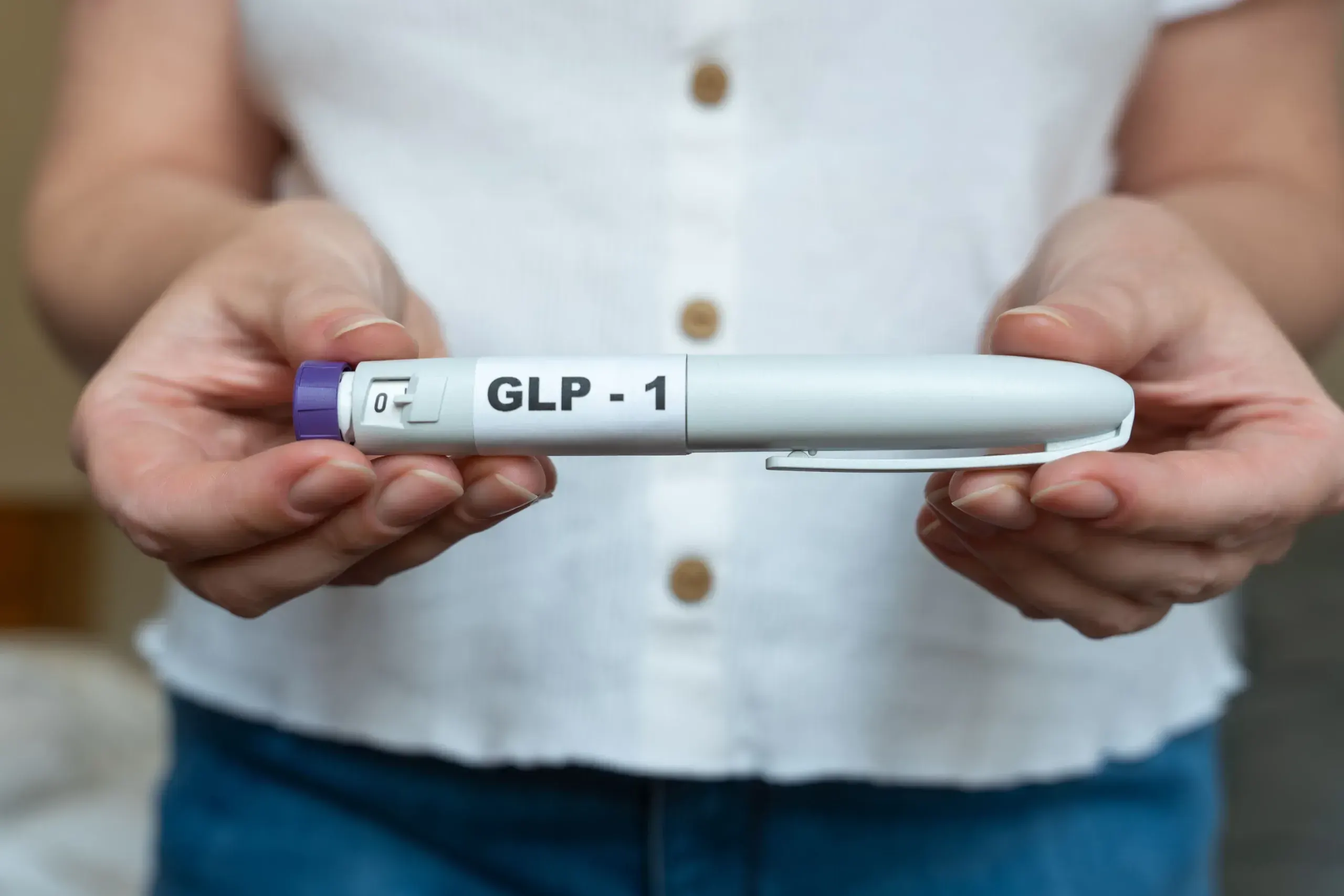 Featured treatment Semaglutide (GLP-1) Weight Loss Physician-supervised, once-weekly GLP-1 injections that curb appetite and support steady, lasting weight loss.
 Heart Disease and Weight Loss: FAQs
How does being overweight increase heart disease risk?
Excess weight makes the heart work harder and raises blood pressure. Extra abdominal fat also drives inflammation, unhealthy cholesterol, and insulin resistance that accelerate plaque buildup in the arteries. Because these risk factors cluster together, carrying extra weight substantially increases the likelihood of heart attack, stroke, and heart failure over time.
Can losing weight really improve my heart health?
Yes. Even a modest, sustained weight reduction can lower blood pressure, improve cholesterol, and better control blood sugar, all of which ease strain on the heart. Weight loss addresses several cardiovascular risk factors at once, which is why it is one of the most effective, evidence-based steps for protecting long-term heart health.
How much weight loss makes a difference for the heart?
Research suggests losing even 5 to 10 percent of body weight can meaningfully improve blood pressure, cholesterol, and blood-sugar markers. Larger, sustained loss, achieved through medical or surgical weight-loss programs, tends to bring greater cardiovascular benefit. Dr. Johnson tailors a target and plan to your health and goals.
What testing should I do before starting a weight program?
A baseline evaluation is important. Our comprehensive bloodwork and lab panels measure lipids, glucose, and metabolic markers so your plan is guided by data. These results help identify the specific weight-related risks affecting your heart and let Dr. Johnson personalize a safe, effective approach.
Does weight-loss surgery help the heart?
For eligible patients, bariatric surgery produces significant, durable weight loss that can improve blood pressure, diabetes, and cholesterol. Clinical studies show these metabolic improvements, which lowers cardiovascular risk over time. Surgery is a weight-management procedure, not a cardiac treatment, and candidacy is determined during consultation with Dr. Johnson.
Do GLP-1 medications benefit heart health?
Certain GLP-1 medications support weight loss and improve blood-sugar control, both of which ease cardiovascular strain. In adults with obesity and established heart disease, semaglutide has been shown to reduce major cardiovascular events. Your suitability for GLP-1 therapy is assessed by Dr. Johnson as part of a personalized plan.
When should I see a doctor about weight and heart health?
See a physician if you have excess weight along with high blood pressure, high cholesterol, diabetes, or a family history of heart disease. Seek immediate care for chest pain, shortness of breath, or other cardiac symptoms. Bodiatrics addresses the weight side of the equation and coordinates with your cardiologist for heart care.
Schedule Your Consultation
Sources and Further Reading
- Lincoff et al., N Engl J Med. (2023). SELECT trial: semaglutide reduced major cardiovascular events in adults with obesity and established cardiovascular disease without diabetes. PMID: 37952131.
- Schauer et al., N Engl J Med. (2017). STAMPEDE 5-year results: bariatric surgery plus medical therapy improved glycemic and metabolic control, factors tied to cardiovascular risk. PMID: 28199805.
- American Heart Association. Obesity and cardiovascular disease: how excess weight affects the heart. heart.org.
- National Institute of Diabetes and Digestive and Kidney Diseases (NIDDK). Health risks of overweight and obesity, including heart disease. niddk.nih.gov.