
Comprehensive Blood Work in Suwanee, GA: 100+ Biomarkers for Longevity and Performance
Advanced blood panels analyzing over 100 biomarkers across metabolism, hormones, and cardiovascular health.
- Biomarkers
- 100+ analyzed
- Draw Time
- 10-15 min
- Results
- 3-7 days
- Downtime
- None



Comprehensive Blood Work Built on Your Biology
Comprehensive blood work in Suwanee, GA measures more than 100 biomarkers across metabolism, hormones, and cardiovascular health, giving you a detailed look under the hood instead of a single snapshot. We serve patients from Johns Creek, Alpharetta, Duluth, Cumming and across Metro Atlanta who want answers, not guesswork, about how their body is actually functioning.
At Bodiatrics, Dr. Will Johnson, MD, FACS, a board-certified bariatric and vein surgeon with more than 20 years of clinical experience, reads your panel against optimal performance ranges, not just the broad normal ranges used to flag disease. Duke-trained and Medical Director of the Vein Center at Johns Creek, Dr. Johnson translates complex data into a clear, personalized roadmap.

When Feeling Fine Is Not Enough for Comprehensive Blood Work
Most routine blood tests are built to catch disease, so they only flag values that fall far outside the average. That leaves a wide gray zone where you can feel tired, foggy, or stuck losing weight while your standard labs still read normal. Two people can eat the same way and exercise the same amount yet get completely different results, and that difference almost always shows up in hormones, inflammation, blood sugar, and nutrient levels that a basic checkup never measures. Guessing at the cause is frustrating, slow, and expensive.
Understanding Your Metabolism
Comprehensive blood work replaces guesswork with data. By analyzing more than 100 biomarkers, we can see insulin resistance years before it becomes diabetes, catch thyroid or cortisol imbalances that drain your energy, and spot nutrient gaps that quietly stall progress. Dr. Johnson compares each marker to optimal ranges rather than disease thresholds, then builds those findings directly into your nutrition, medication, and lifestyle plan. Instead of forcing you into a standard program, the plan is shaped around your physiology and tracked over time.
What Is Comprehensive Blood Work?
Comprehensive blood work is a longevity panel measuring more than 100 biomarkers across metabolism, hormones, cardiovascular health, organ function, inflammation and nutrition. It goes well beyond a standard physical and anchors baseline testing in Suwanee, GA before any treatment begins.
Every panel includes a 14-marker comprehensive metabolic panel plus a hormone suite covering thyroid, testosterone, DHEA and cortisol. Dr. Johnson reads each marker against optimal ranges, not disease cutoffs, so fasting insulin or hs-CRP flags risk years early, as the NIDDK describes.
- Draw Time
- 10-15 minutes (in-office blood draw)
- Results Ready
- 3-7 days (typical lab turnaround)
- Review Visit
- After results arrive (sit-down with Dr. Johnson)
- Recommended Frequency
- 1-2 times per year (or as your plan changes)
Comprehensive Blood Work Reveals
Comprehensive lab work does more than flag a single number - it maps how your whole body is functioning right now. Dr. Will Johnson at Bodiatrics uses it to uncover:
-
Insulin Resistance
Fasting insulin and HbA1c flag metabolic risk years before diabetes.
-
Thyroid Function
TSH, Free T3, and Free T4 reveal imbalances that slow metabolism.
-
Hormone Balance
Testosterone, estrogen, DHEA, and cortisol behind energy and mood.
-
Cardiovascular Risk
Advanced lipids including ApoB and Lp(a) sharpen plaque risk detection.
-
Systemic Inflammation
hs-CRP identifies hidden inflammation that accelerates aging.
-
Nutrient Gaps
Vitamin D, B12, folate, magnesium, and ferritin levels checked.
Benefits of Comprehensive Blood Work
Clarity You Can Act On
2000+ Satisfied patients






- 01
Early Detection
Spots insulin resistance and inflammation before they become disease.
- 02
Optimal Ranges
Measures against peak performance zones, not just disease cutoffs.
- 03
Personalized Plan
Findings shape your nutrition, medication, and lifestyle roadmap.
- 04
Longitudinal Tracking
Repeat panels show how your body responds to changes over time.
- 05
Whole-Body View
Metabolic, hormonal, cardiovascular, and nutrient markers in one panel.
- 06
Safer Treatment
Corrects deficiencies and identifies risks before weight loss or surgery.
Comprehensive Blood Work vs. Baseline Tests
Comprehensive blood work analyzes your internal biochemistry, while DEXA, RMR, and gut testing measure different pieces of the same baseline picture.
| Treatment | Mechanism | Time | Results | Duration | Downtime | Best For |
|---|---|---|---|---|---|---|
| Comprehensive Blood Work | 100+ blood biomarkers | 10-15 min draw | Metabolic and hormone map | 6-12 months | None | Metabolic and hormone insight |
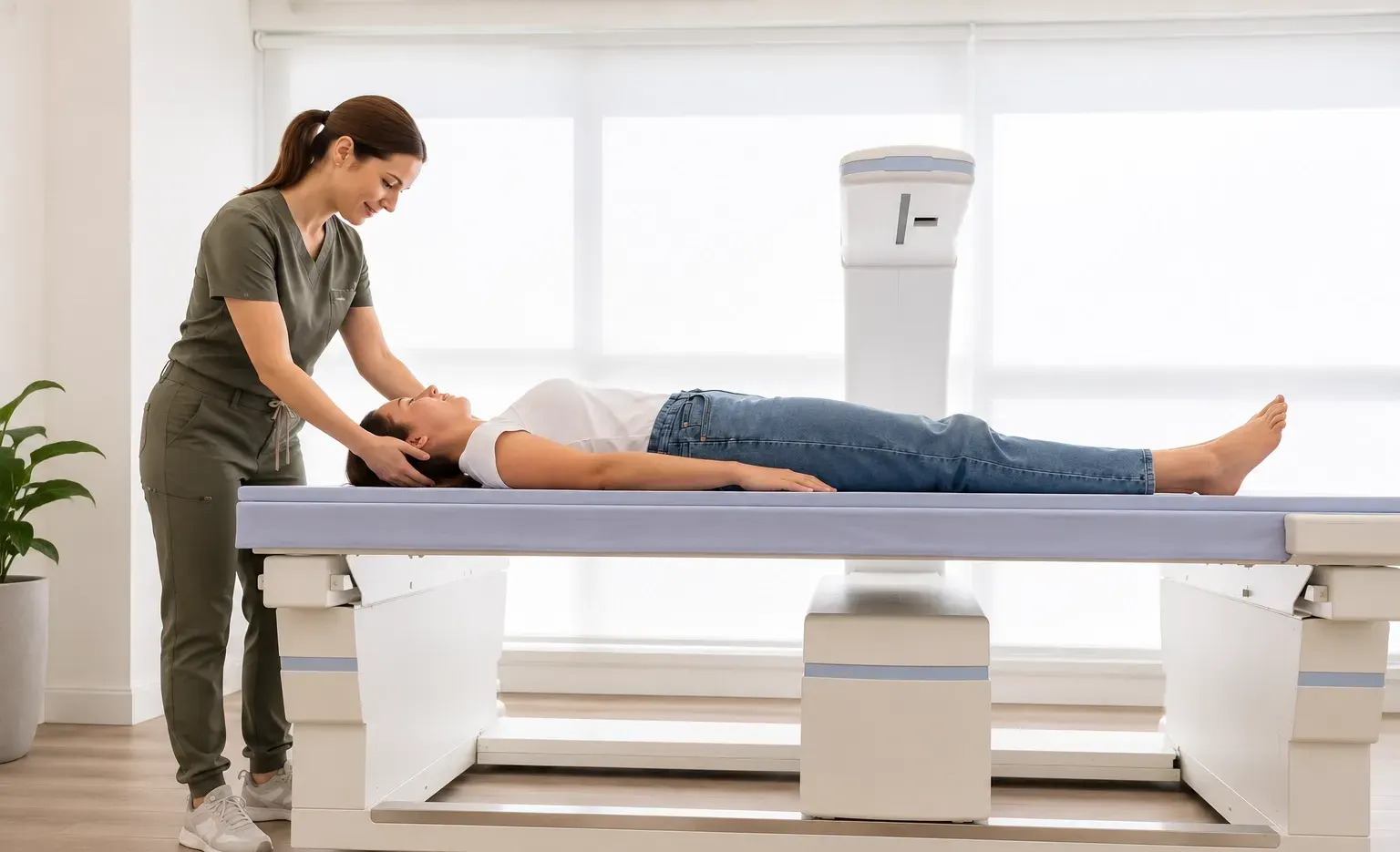
| DEXA Scan | Low-dose X-ray imaging | 10-20 min | Body composition data | 6-12 months | None | Fat, muscle, and bone |
| RMR Testing | Breath gas analysis | 15-30 min | Daily calorie burn | 6-12 months | None | Metabolic rate and calories |
| Gut Health Testing | Stool microbiome analysis | At-home sample | Digestive and microbiome map | 6-12 months | None | Gut and digestion issues |

Who Is a Good Candidate for Blood Work?
Comprehensive blood work benefits nearly any health-conscious adult who wants to understand their metabolism, hormones, and longevity risk rather than wait for symptoms. It is especially valuable before starting a weight loss program or surgery, where labs help correct deficiencies and identify risks early.
Ideal Candidates for Comprehensive Blood Work
- Adults 30 to 65 focused on longevity, energy, and healthspan
- Patients struggling to lose weight despite consistent effort
- Anyone with fatigue, brain fog, or stalled progress and normal routine labs
- Patients preparing for RMR testing in Suwanee, GA or medical weight loss
- People with a family history of diabetes, heart disease, or thyroid issues
Who Should Wait or Avoid Comprehensive Blood Work
- Patients with an active acute illness or infection, which can skew results
- Anyone unable to complete the recommended fasting window before the draw
- Patients recently transfused, who should confirm timing with Dr. Johnson
A brief consultation confirms the right timing and preparation for your panel so the data reflects your true baseline.
What Happens During Your Blood Work Visit
Consultation
Preparation
Blood Draw
Lab Analysis
Results Review
Safety and What to Know
What to Know
-
What Is Normal
Comprehensive blood work is very low risk. Most patients experience nothing more than a brief pinch, and any minor bruising or tenderness at the draw site typically resolves within a few days. Lightheadedness is uncommon and usually passes quickly with rest and water. Eating beforehand, when your panel allows it, makes the draw easier still.
-
Rare Complications
Rarely, a draw can cause a small hematoma or a brief episode of dizziness. Infection at the puncture site is very uncommon when standard sterile technique is used. Patients taking blood thinners should mention this beforehand so the clinician can apply extra pressure and check the site before you leave. Tell us as well if you have fainted during a draw before.
-
Reading Results Safely
The most important safeguard is expert interpretation. A single out-of-range value is not a diagnosis, which is why Dr. Johnson reviews your full panel in context, alongside your history and symptoms, before recommending any change. For guidance on how blood glucose and metabolic markers are interpreted, see the Centers for Disease Control and Prevention.

Comprehensive Blood Work Cost in Suwanee
Pricing and Payment Options
How Much Does Comprehensive Blood Work Cost in Suwanee?
The cost of comprehensive blood work depends on how many biomarkers your panel includes, whether advanced hormone and longevity markers are added, and how often you retest for longitudinal tracking. Because Bodiatrics does not publish fixed prices, your exact investment will be discussed transparently during your consultation, and insurance coverage for certain labs varies by plan and is reviewed with you upfront.
Flexible Payment Options
We want cost to be a manageable part of your longevity plan, so we offer financing options.
- Cherry - Simple monthly payment plans with a quick approval process.
- CareCredit - A healthcare credit line usable across your Bodiatrics services.
If you are combining testing with a surgical program, our team can also review bariatric surgery financing options so your full plan fits your budget.
Why Choose Bodiatrics for Comprehensive Blood Work in Suwanee, GA
Suwanee's Data-Driven Clinic
-
Physician Interpretation
Board-certified surgeon reviews every panel, not an automated printout.
-
Optimal-Range Focus
20-plus years of experience reading data for peak function.
-
Whole-Person Care
Labs feed directly into your metabolic and longevity plan.
-
Longevity Clinic
Elevated, private setting built around data-driven wellness.
Related Treatments
Complementary treatments to support your goals.

Frequently Asked Questions About Blood Work
Your Questions Answered
How much does comprehensive blood work cost in Suwanee?
Cost depends on how many biomarkers your panel includes and whether advanced hormone and longevity markers are added. Because we do not publish fixed prices, your exact investment is discussed during your consultation. Financing through Cherry and CareCredit is available, and we review insurance coverage for eligible labs upfront.
How often should I get comprehensive blood work?
For most people pursuing longevity, Dr. Johnson recommends a deep-dive panel once or twice a year. Testing on this schedule lets us track how your body responds to nutrition, medication, and lifestyle changes and adjust your plan accordingly. Patients making active changes or preparing for treatment may test more often.
Do I need to fast before my blood work?
Yes, a 12-hour water-only fast is typically required. Fasting gives an accurate reading of metabolic markers like fasting insulin and glucose, which are central to detecting insulin resistance early. Bring your medication list, stay hydrated, and we will confirm your exact preparation before the visit.
Does the blood draw hurt?
Most patients feel only a brief pinch. The draw itself takes about 10 to 15 minutes even for the full 100-plus biomarker panel, and any minor tenderness or bruising usually fades within a few days. Staying hydrated beforehand makes the draw faster and more comfortable.
When will I see my results?
Results are typically ready within 3 to 7 days. Dr. Johnson then reviews your full panel with you in detail, explaining what is optimal, what needs attention, and what it means for your health. You leave with a clear, personalized plan rather than a printout of numbers.
What is the difference between comprehensive blood work and a standard physical?
A standard physical flags values far outside the average to catch disease, while comprehensive blood work measures 100-plus biomarkers against optimal ranges. That difference reveals issues like insulin resistance or inflammation years earlier. Many patients pair it with a DEXA scan for body composition or RMR testing for a complete baseline.
Does the panel include hormone testing?
Yes. Our 100-plus panel includes a dedicated hormone suite: thyroid function (TSH, Free T3, Free T4), testosterone (total and free), estrogen, DHEA, and cortisol. These markers drive energy, muscle, metabolism, and mental clarity, so reading them together explains symptoms that routine labs often miss in both men and women.
What is a comprehensive metabolic panel (CMP)?
A CMP is a core set of 14 markers, included in every panel, that measures glucose, calcium, electrolytes, kidney markers, and liver enzymes. It gives a fast read on how your kidneys, liver, and blood sugar are working together and anchors the more advanced longevity and hormone testing.
Do I really need bloodwork if I feel healthy?
Yes. Many metabolic and hormonal issues cause no obvious symptoms yet still affect energy, weight, and long-term risk. Blood work is a real-time reflection of how your lifestyle interacts with your biology, so it can catch drifting biomarkers early, well before you would notice anything is wrong.
Is blood work necessary before weight loss treatment or surgery?
In most cases, yes. Labs help identify surgical risks, correct deficiencies before treatment, and optimize recovery. They also shape medication selection and dosing so your plan is built around your physiology. Starting with data leads to safer, more effective, and more durable results.
Schedule Your Comprehensive Bloodwork and Lab Panels Consultation
References
- National Institute of Diabetes and Digestive and Kidney Diseases. (2024). Blood glucose and A1C testing are central to detecting metabolic dysfunction and diabetes.
- Centers for Disease Control and Prevention. (2024). Fasting glucose and A1C thresholds define prediabetes and diabetes and guide early intervention.
- American Heart Association. (2024). Lipid panels including LDL, HDL, and triglycerides are used to assess cardiovascular risk.
- National Institute of Diabetes and Digestive and Kidney Diseases. (2024). TSH and thyroid hormone testing are used to diagnose thyroid dysfunction affecting metabolism and energy.