
Heavy, Aching Legs: Causes and Vein Treatment in Suwanee, GA
That heavy, tired, achy feeling in your legs often points to a treatable vein problem, not just fatigue.
- Common In
- Adults over 40, women, and those who stand or sit for long hours
- Primary Causes
- Chronic venous insufficiency and refluxing leg veins
- Treatment Time
- In-office visits, most under an hour
- Results
- Lighter, less achy legs within weeks of vein treatment



Why Your Legs Feel Heavy and Achy
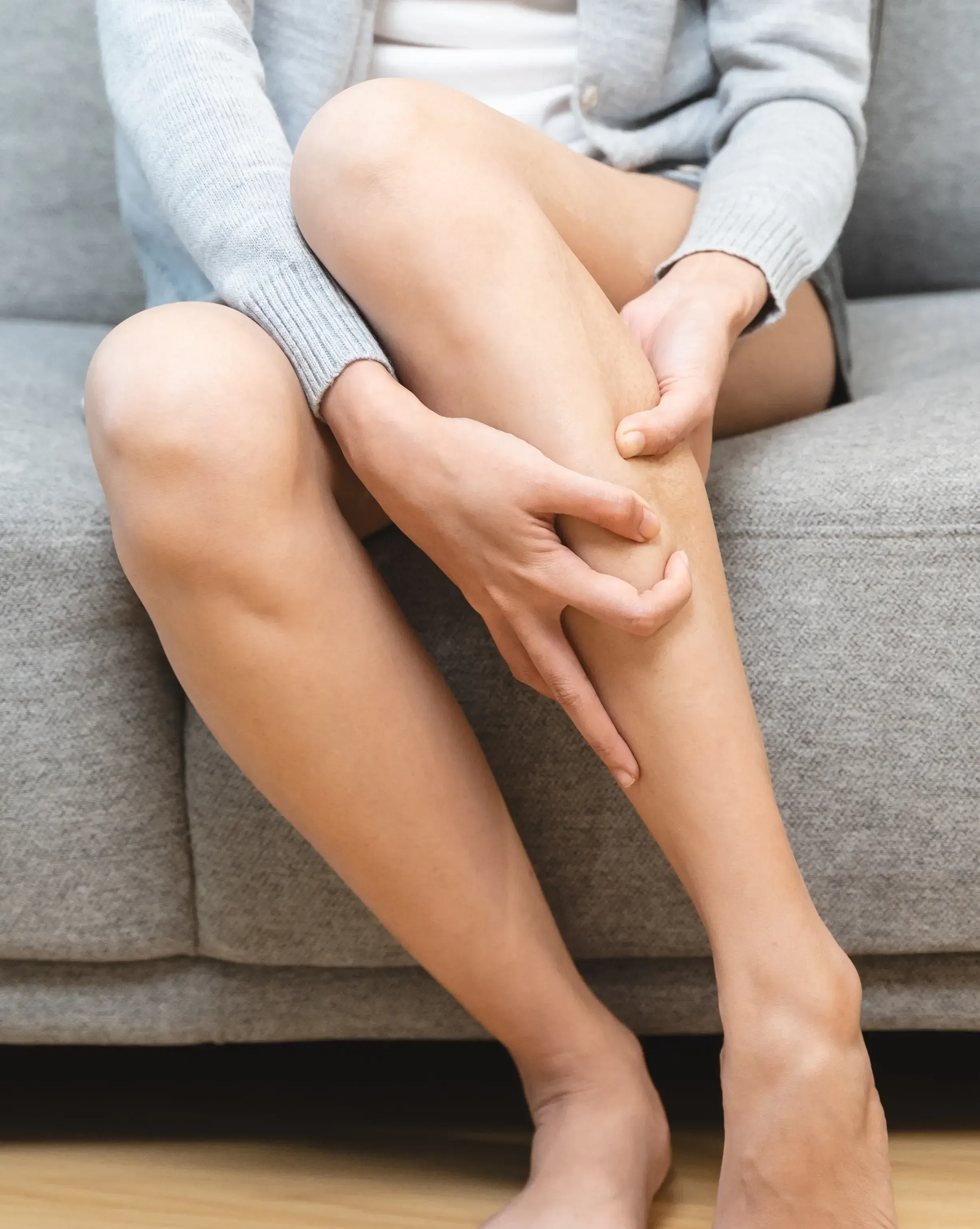
Heavy, aching legs treatment in Suwanee, GA at Bodiatrics starts by finding the vein problem behind the symptom. Legs that ache, throb or feel tired by the end of the day are one of the most common reasons patients come to us; while many people write the sensation off as normal aging or being on their feet too much, persistent heaviness is frequently a sign of an underlying vein problem called chronic venous insufficiency. Dr. Will Johnson, MD, FACS treats vein patients from Johns Creek, Alpharetta, Duluth, Cumming and across Metro Atlanta.
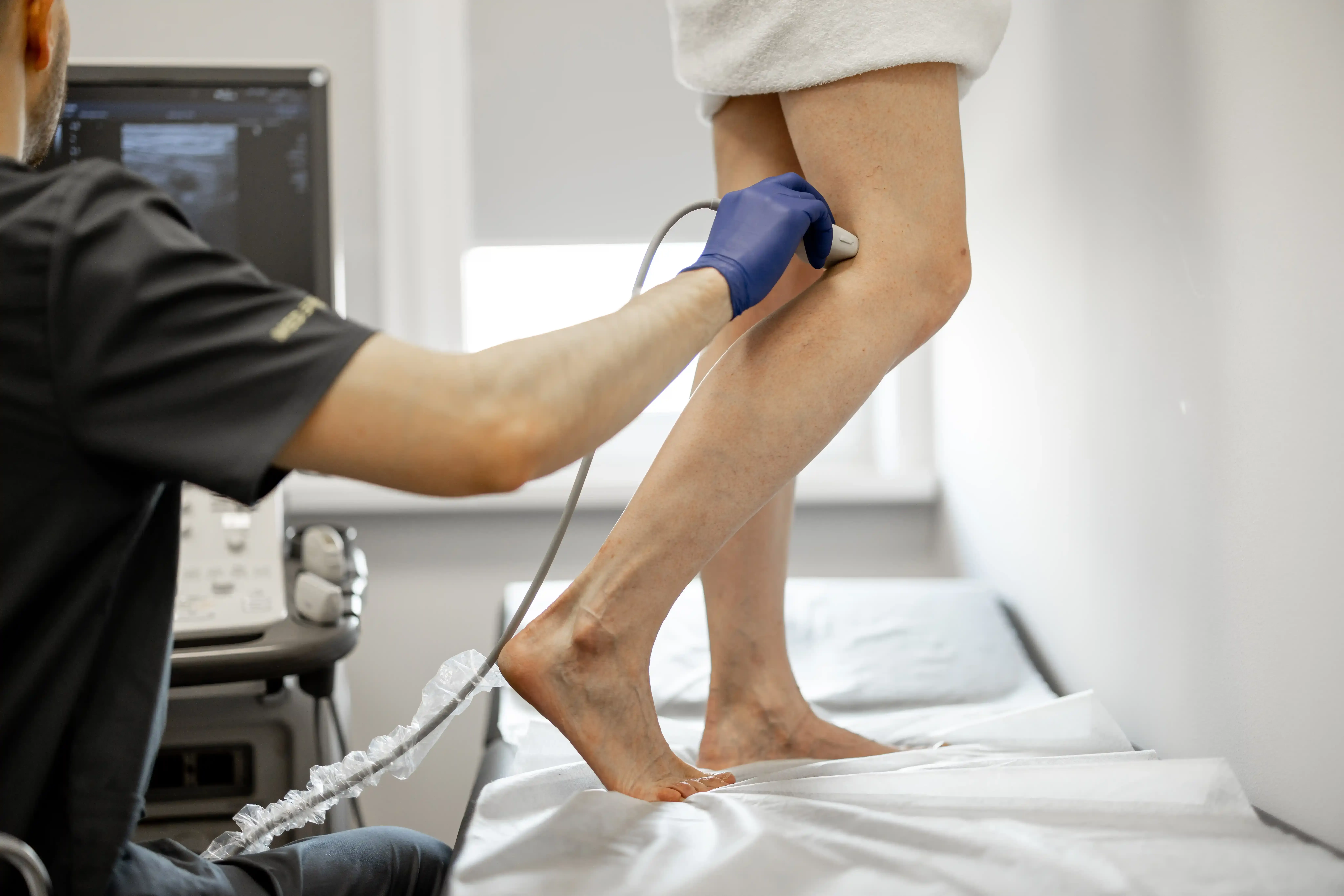
A vein evaluation can pinpoint the cause of persistent leg heaviness.
When the tiny one-way valves inside your leg veins weaken, blood pools in the lower legs instead of flowing efficiently back to the heart. That backward flow, known as venous reflux, raises pressure in the veins and produces the heavy, aching, and swollen feeling so many patients describe. A focused vein evaluation can identify exactly which veins are affected and guide a minimally invasive treatment plan. Dr. Will Johnson, Medical Director of the Vein Center at Johns Creek, leads every consultation with an ultrasound-based assessment so nothing is left to guesswork.
What Causes Heavy, Aching Legs
Most cases trace back to how blood moves through your leg veins.
The leading cause of chronically heavy, aching legs is chronic venous insufficiency. Healthy leg veins rely on one-way valves that keep blood moving upward against gravity. When those valves fail, blood refluxes downward and pools, stretching the vein walls and raising pressure in the tissues of the calf and ankle. This is what creates the sensation of weight, throbbing, and end-of-day fatigue.
Several factors make valve failure more likely: family history of vein disease, prolonged standing or sitting, pregnancy, obesity, age, and prior blood clots. Left unchecked, the same reflux that makes your legs feel heavy can progress to visible varicose veins, swelling, skin changes, and in later stages, ulcers. A specialist can confirm the source with duplex ultrasound and recommend targeted care such as treatment for bulging varicose veins or minimally invasive vein ablation using the ClosureFast system to close the faulty vein and reroute blood into healthy channels.
Common Causes and Risk Factors
Several overlapping factors contribute to the venous problems behind heavy, aching legs. Understanding your personal risk profile helps guide both treatment and prevention.
-
Venous Reflux
Weakened vein valves let blood flow backward and pool in the lower legs, raising pressure and causing heaviness.
-
Family History
A parent or sibling with vein disease significantly increases your own risk of valve failure.
-
Prolonged Standing or Sitting
Long hours without leg movement reduce the muscle pumping that helps push blood upward.
-
Pregnancy
Increased blood volume and hormonal changes stress the leg veins, often triggering symptoms.
-
Excess Weight
Added body weight raises pressure on the veins of the legs and pelvis.
-
Age and Prior Clots
Vein walls lose elasticity over time, and past blood clots can permanently damage valves.
Why You Should Not Ignore Heavy Legs
Early vein evaluation prevents progression and restores comfort.
Heavy, aching legs are easy to dismiss, but the underlying vein disease tends to worsen over time rather than resolve on its own. Untreated venous reflux can lead to persistent swelling, itchy or discolored skin around the ankles, restless legs at night, and eventually venous leg ulcers that are slow to heal. Addressing the problem early keeps a manageable symptom from becoming a long-term medical concern.
The encouraging news is that modern vein care is quick, comfortable, and highly effective. Our full range of vein treatments is designed around minimally invasive, in-office procedures that close diseased veins and relieve the pressure driving your symptoms. Options range from catheter-based ClosureFast ablation for larger refluxing veins to comprehensive varicose vein treatment for bulging surface veins. Compression, weight management, and movement help too, but they work best alongside treatment that corrects the underlying reflux.
Why Choose Bodiatrics for Heavy, Aching Legs in Suwanee
Board-certified surgical expertise focused on lasting relief.
-
Vein Surgeon Expertise
Care led by Dr. Johnson, a board-certified surgeon and Medical Director of the Vein Center at Johns Creek.
-
Ultrasound-Guided Diagnosis
We map your veins with duplex ultrasound to find the exact source of reflux before treating.
-
Minimally Invasive Options
In-office, catheter-based procedures mean little downtime and a quick return to daily life.
-
Personalized Treatment Plans
Your plan is matched to your vein anatomy, symptoms, and long-term leg-health goals.
Vein Treatment Options for Heavy, Aching Legs
Compare the minimally invasive vein treatments that relieve heaviness by correcting venous reflux.
| Treatment | How It Works | Best For | Downtime | Results Timeline |
|---|---|---|---|---|
| Varicose Vein Treatment | A tailored plan that closes or removes refluxing surface veins to relieve pressure | Visible, bulging varicose veins with aching and heaviness | Minimal, most resume normal activity same day | Symptom relief within days to weeks |
| Vein Ablation (ClosureFast) | A catheter delivers radiofrequency heat to seal a larger refluxing vein shut | Larger truncal veins driving chronic venous insufficiency | Minimal, back to light activity same day | Heaviness eases over one to a few weeks |
| Sclerotherapy | A solution is injected to collapse smaller veins so blood reroutes to healthy ones | Spider veins and small surface veins contributing to symptoms | Minimal, brief compression recommended | Veins fade gradually over several weeks |
Signs Your Heavy Legs May Be a Vein Problem
These symptoms suggest it is time for a vein evaluation.
Heavy, aching legs paired with any of the following signs often indicate underlying venous insufficiency worth evaluating.
- Heaviness That Worsens by Evening
- Aching, Throbbing, or Cramping
- Swelling in the Legs or Ankles
- Visible Varicose or Spider Veins
- Restless or Itchy Legs
- Skin Changes Near the Ankle
Services That Treat This
How we help, matched to your needs.
 Featured treatment Varicose Vein Treatment Minimally invasive, image-guided care that closes diseased veins and eases the pain, swelling and heaviness varicose veins cause.
  Featured treatment Vein Ablation (ClosureFast) A minimally invasive radiofrequency procedure that closes diseased veins so blood reroutes to healthy ones.
 Heavy, Aching Legs FAQs
Answers to what patients ask most about leg heaviness and vein care.
Why do my legs feel heavy and achy at the end of the day?
Persistent heaviness usually points to chronic venous insufficiency, where weakened vein valves let blood pool in the lower legs. Gravity increases pressure through the day, so symptoms peak by evening. A duplex ultrasound during a vein evaluation can confirm whether reflux is the cause and guide treatment.
Are heavy legs a sign of a serious vein problem?
They can be. Heavy, aching legs are often an early sign of venous reflux that, left untreated, may progress to visible varicose veins, swelling, skin changes, and even ulcers. Early evaluation lets us treat the problem while it is still simple to manage, before complications develop.
Will losing weight or exercising fix heavy legs?
Weight management, movement, and compression stockings can meaningfully reduce symptoms and are worth doing. However, they do not repair damaged vein valves. When reflux is the cause, lasting relief usually requires a minimally invasive procedure to close the faulty vein, with lifestyle measures supporting the result.
When should I see a doctor about aching, heavy legs?
See a specialist if leg heaviness is persistent, worsens through the day, or comes with swelling, visible veins, skin discoloration, or restless legs. Sudden swelling, warmth, or pain in one leg needs urgent care, as it can signal a blood clot. Otherwise, schedule a vein evaluation to identify the cause.
What does a vein evaluation involve?
A vein evaluation is comfortable and non-invasive. Dr. Johnson reviews your symptoms and uses duplex ultrasound to map blood flow in your leg veins and pinpoint where valves are failing. This shows exactly which veins are refluxing so your treatment targets the true source of your heaviness rather than just the surface.
Are vein treatments for heavy legs painful or require long recovery?
Modern vein treatments are minimally invasive and done in the office. Procedures like ClosureFast ablation and sclerotherapy use tiny access points or fine needles with local anesthetic. Most patients feel little discomfort and return to normal activity the same or next day, wearing compression stockings for a short period afterward.
How soon will my legs feel lighter after treatment?
Many patients notice reduced heaviness and aching within days to a few weeks once the refluxing vein is closed and pressure drops. Improvement continues as circulation reroutes through healthy veins. Your specific timeline depends on which veins were treated and the severity of your venous insufficiency.
Schedule Your Consultation
Clinical References
- American Vein and Lymphatic Society. Chronic Venous Insufficiency: Symptoms and Treatment. myavls.org.
- Society for Vascular Surgery. Chronic Venous Insufficiency and Varicose Veins. vascular.org.
- National Heart, Lung, and Blood Institute (NIH). Varicose Veins and Chronic Venous Insufficiency Overview. nhlbi.nih.gov.
- U.S. Food and Drug Administration. ClosureFast Endovenous Radiofrequency Ablation Catheter Clearance. fda.gov.